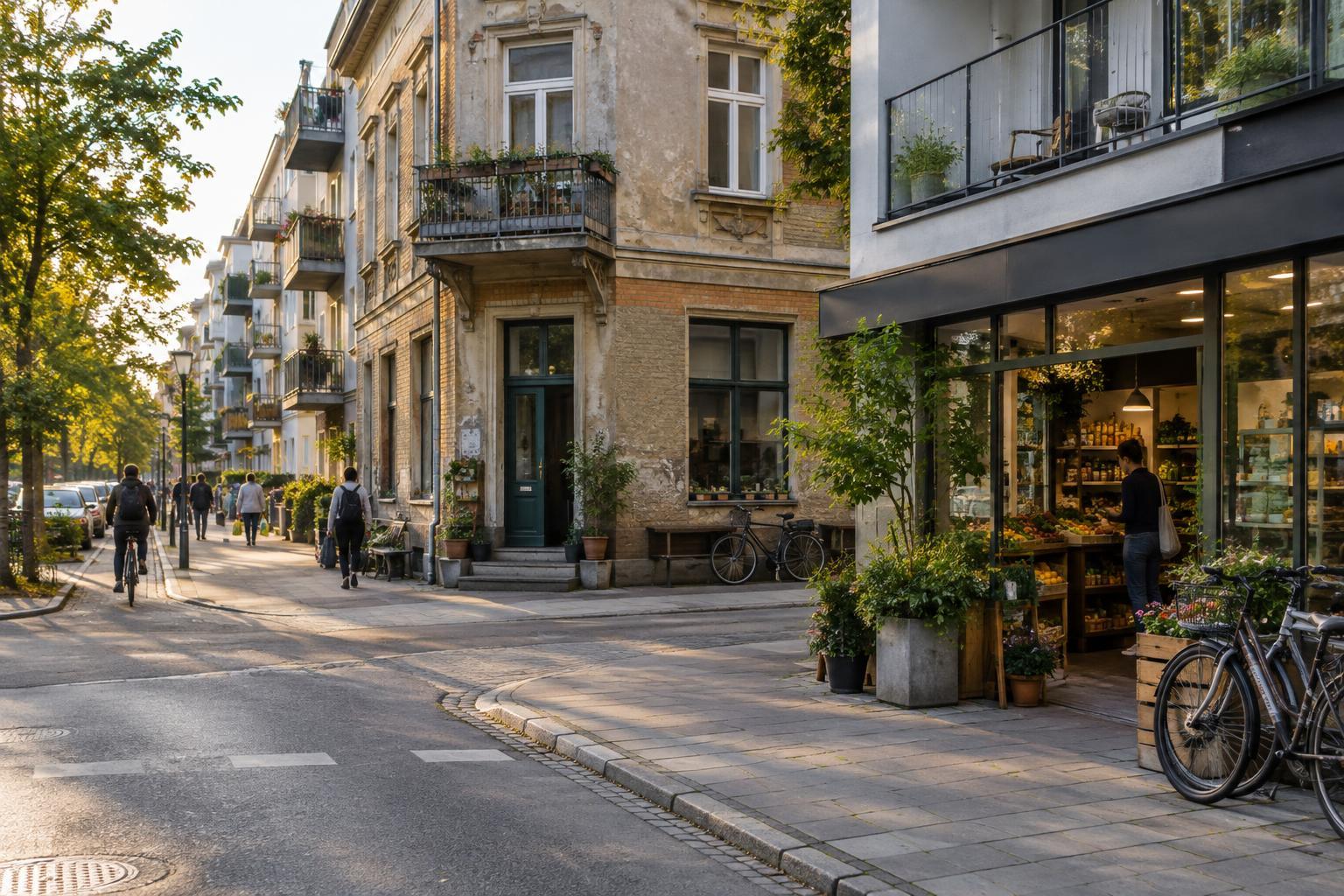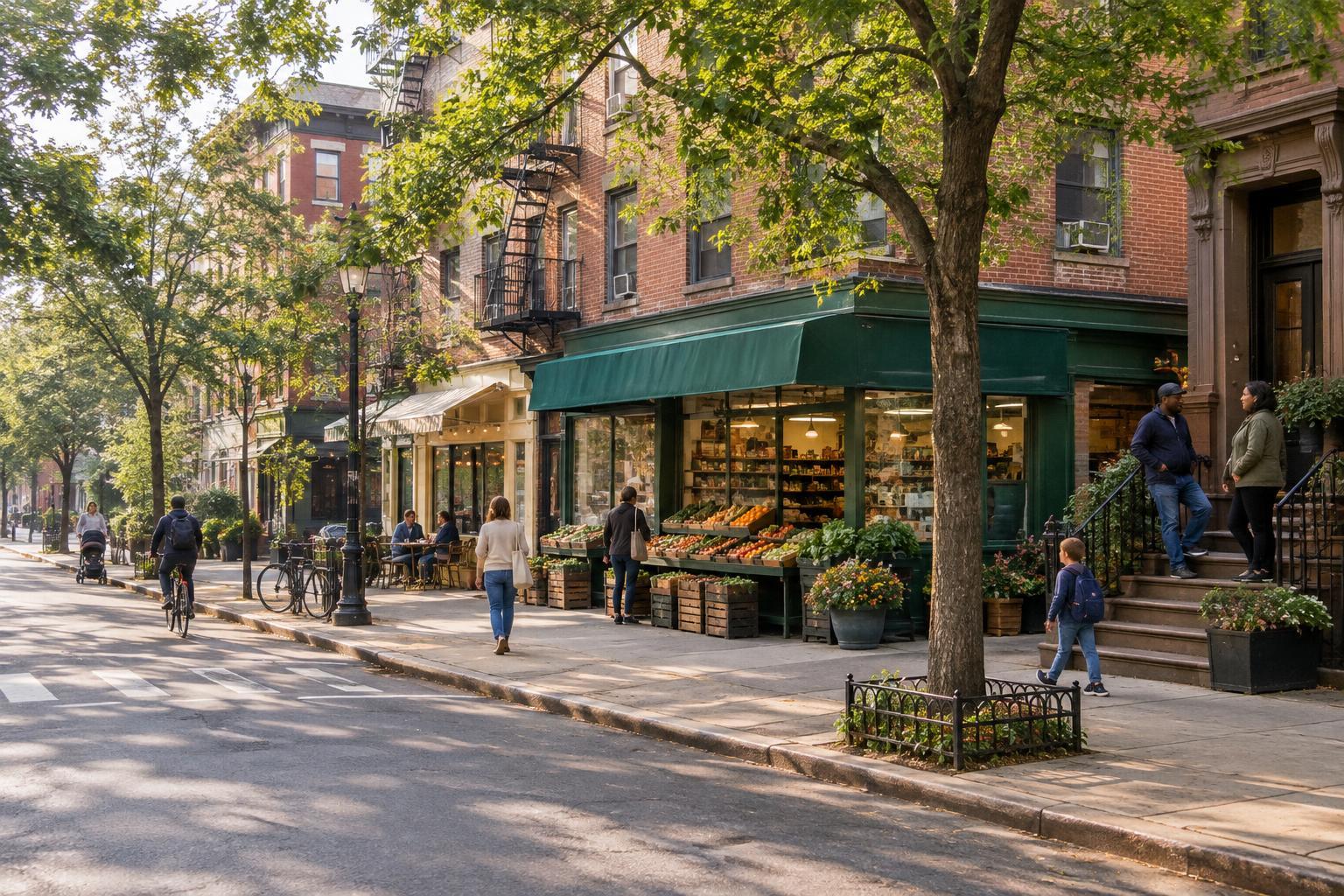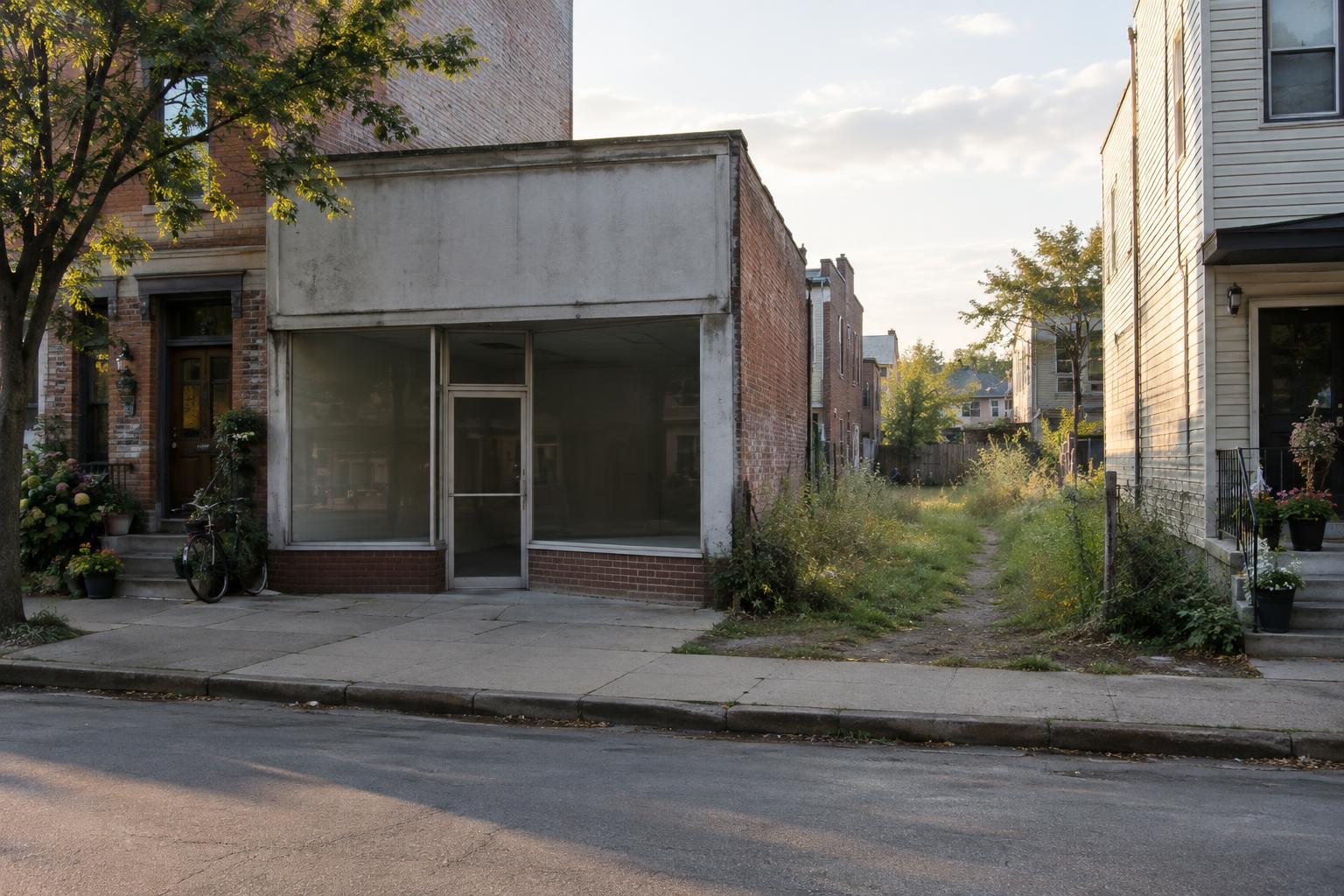
Start with the journey, not the destination
A small museum, market or row of distinctive houses may give you a reason to visit a neighborhood. Reaching it is another matter. The route from a transit stop or parking space can include a difficult crossing, a steep stretch, an uneven sidewalk or nowhere to pause. If you look only at the destination, you miss much of what makes a place welcoming or hard to navigate.
On your next walk, choose a modest route between two ordinary points: a bus stop and a library, for example, or a café and a public garden. Notice where you must change direction, wait, step aside or guess which way to go. Then ask whether someone using a mobility aid, traveling with a child, carrying bags or unfamiliar with the area would have another workable choice. You cannot answer for every person, but the question helps shift your attention from attractions to the space between them.
Look for options at each transition
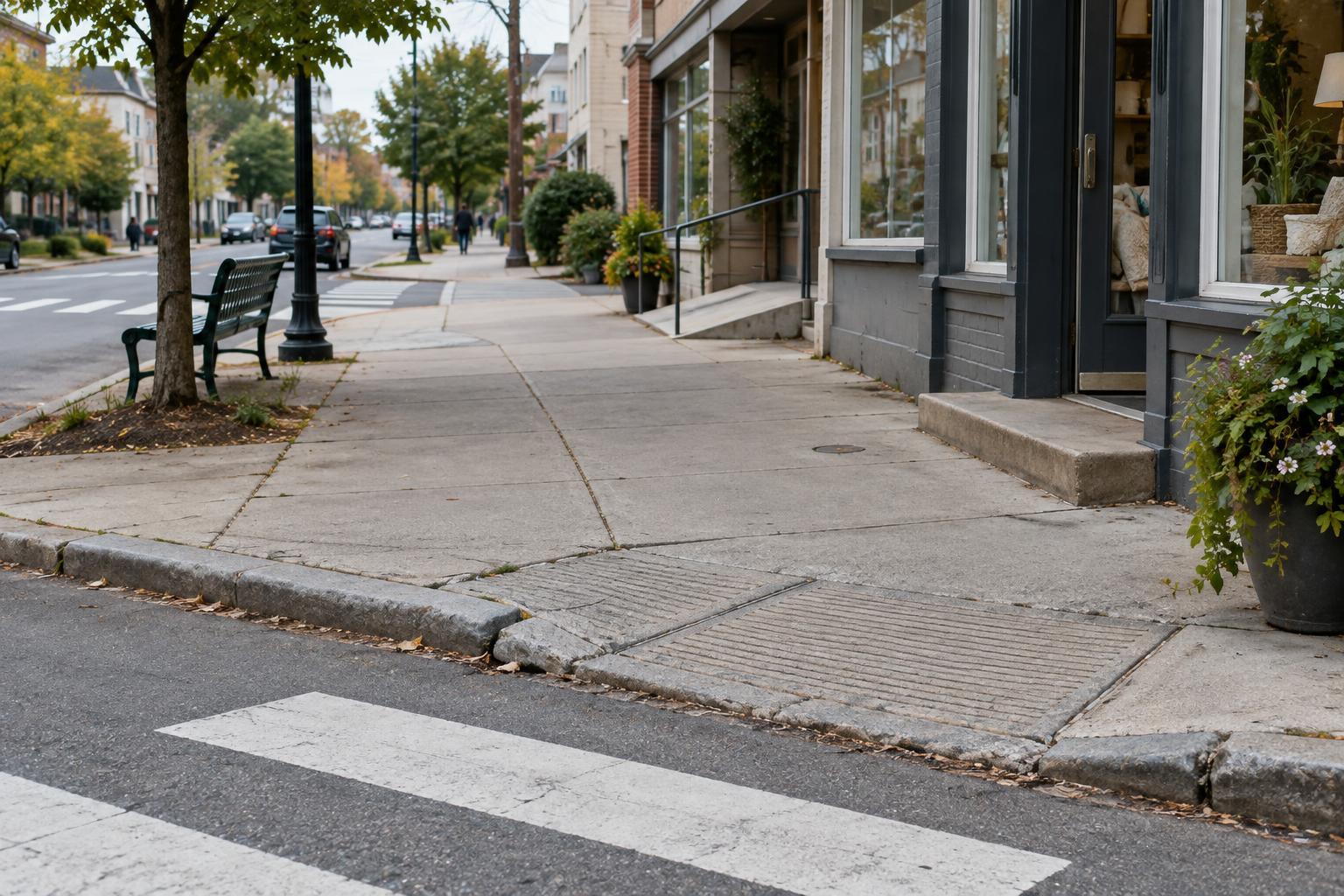
Transitions often reveal barriers. At a crossing, look for a place to wait, a clear view of approaching traffic and a route that continues on the other side. At a building, notice whether the entrance you can find easily is also the one available to everyone. A step-free entrance elsewhere may be useful, but only if a visitor can locate it without a long or confusing search.
Pay attention to the condition of a route as well as its existence. A sidewalk may be wide in one block and narrowed by poles, outdoor displays or temporary works in the next. A curb ramp may lead toward an obstruction. A bench may offer a welcome rest but sit across loose gravel. These details are easy to pass without noticing when your own journey is straightforward.
Avoid treating one visit as a complete access assessment. Conditions can change with weather, construction, deliveries and opening hours. Describe what you actually observe, at the time you observe it, rather than declaring a route accessible or inaccessible for everyone.
Notice information, comfort and cost
Access is also about knowing what to expect. Are street names readable from the sidewalk? Do signs make it clear which entrance is public, where a path leads or when a space is open? Is information available before a visitor commits to a long approach? Confusing directions can turn a short detour into a tiring one, especially when retracing your steps is difficult.
Consider the places that let people stay rather than simply pass through. Shade, shelter, seating, drinking water and publicly available restrooms can shape how long someone can comfortably explore. So can noise, crowding and the ability to find a quieter route. These conditions will matter differently to different people; the useful observation is whether choices exist.
Money and time can also limit those choices. A neighborhood may look easy to explore on foot while its most convenient resting places require a purchase. An infrequent transit connection can make an otherwise short visit awkward to plan. You do not need to measure every cost or schedule to notice when a route depends on assumptions about what visitors can spend or how long they can wait.
Observe respectfully, without turning people into evidence
It can be tempting to watch how strangers manage a tricky corner and draw conclusions from their movements. Resist making anyone an example for your notes or photographs. A person taking a different route may have reasons you cannot see. Focus instead on features of the place: the missing sign, the narrow passage, the available alternative and how easy that alternative is to find.
If you speak with a resident, worker or visitor, let the conversation be an exchange rather than an inspection. Ask open questions about getting around or finding a place, and accept that one account cannot represent a whole neighborhood. Do not ask someone to disclose a disability or explain why a barrier matters to them. Firsthand perspectives can deepen your understanding, but they deserve care, consent and accurate attribution if you plan to share them.
Turn observations into a more useful travel note
When you write about a neighborhood, pair the appealing detail with the practical route to it. Instead of saying only that a courtyard is worth seeing, explain which entrance you used, whether you encountered steps and where you found a place to sit. Separate what you saw from what you could not verify. Clear, specific descriptions give readers more room to decide what works for them than broad labels such as “easy walk.”
You can keep a simple route note for yourself: starting point, crossings, surfaces, entrances, places to pause and questions to check before returning. If you notice a persistent obstruction in a public space, consider using an appropriate local reporting channel rather than assuming someone else has flagged it. The aim is not to grade a neighborhood after one walk. It is to see more of its everyday design, and to tell its story with the journeys of more people in mind.