Start with a small intention
A small museum can be tempting to treat as a quick stop: step inside, read every label, and move on. But a modest building can hold more stories than an hour can comfortably contain. The aim of a short visit is not to finish the collection. It is to leave having noticed something you would otherwise have passed by.
Before you go, choose a loose question rather than a checklist. You might wonder how people in the area made a living, what materials local makers used, or how a familiar street looked to earlier residents. A question gives you a way into the displays without requiring you to know the answers in advance. Keep it flexible; the most interesting object may have little to do with your original plan.
Make the practical parts easy
If you can, check the museum’s own visitor information before setting out. Opening hours, admission arrangements, photography rules, and access details can affect a short visit more than a long one. A museum may occupy an older building with uneven floors or rooms reached by stairs, so it is worth checking what you need to know rather than making assumptions from its size. If information is unclear, a brief question to the museum can help you decide how to plan.
Give the visit a comfortable boundary. Arriving with forty-five minutes available is different from arriving with forty-five minutes before a train you cannot miss. Allow a little space for finding the entrance, storing a bag if necessary, and settling into the first room. That buffer makes it easier to look slowly instead of calculating the minutes at every case.
Choose a path, not a completion target
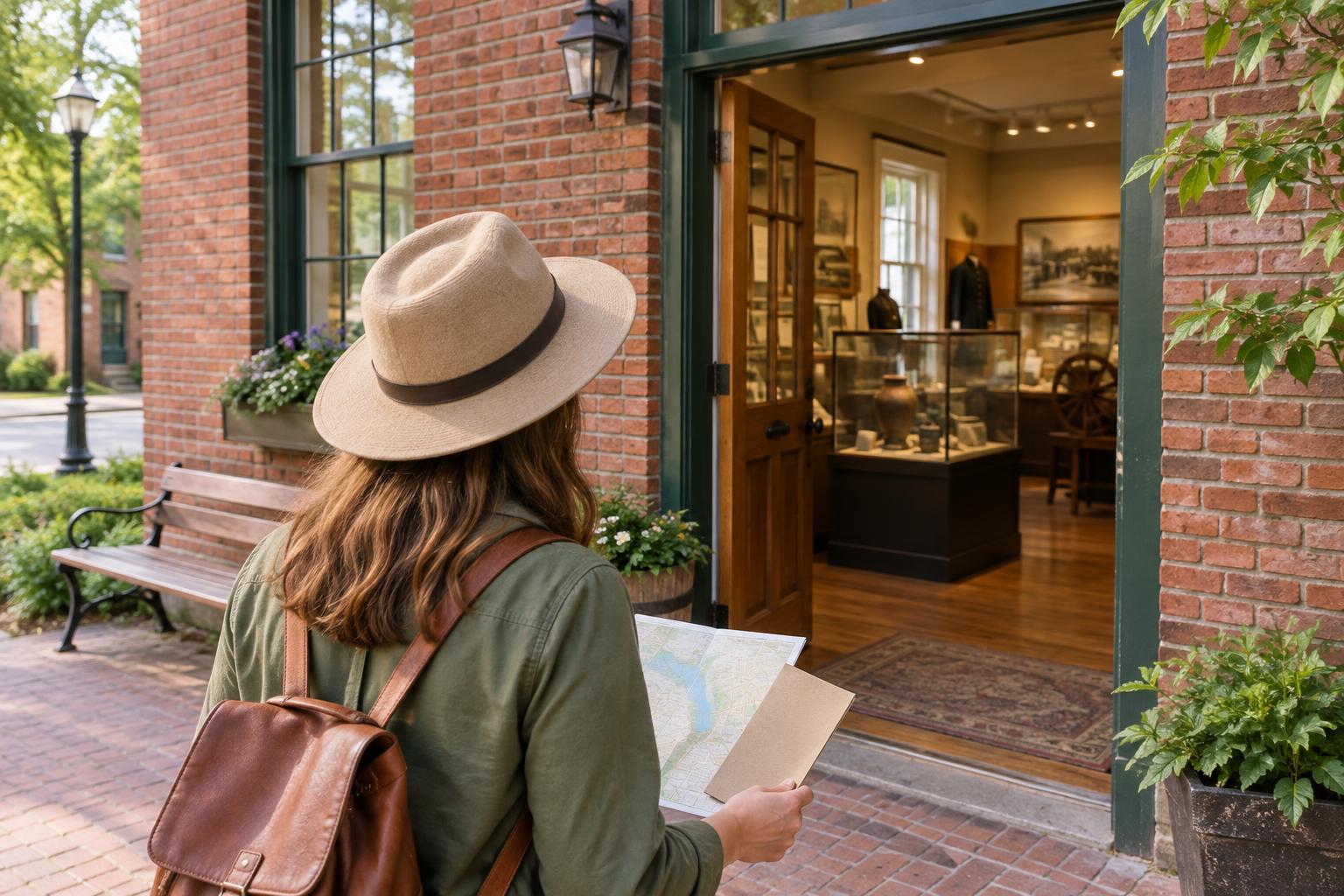
At the entrance, take a moment to see how the museum is arranged. A map, introductory panel, or simple view into adjoining rooms may reveal a sensible route. If several spaces compete for your attention, pick one or two that connect to your question. You can still walk through the others, but you do not need to give every display equal time.
Try an opening circuit to get your bearings, then return to a few objects that caught your eye. This is especially useful when a collection mixes photographs, household items, artworks, and documents. The first pass lets you notice relationships; the second gives you permission to pause. If a room is busy, move elsewhere and come back if time allows. A short visit works better when the route responds to what is in front of you, not to a rigid schedule.
Look closely at fewer things
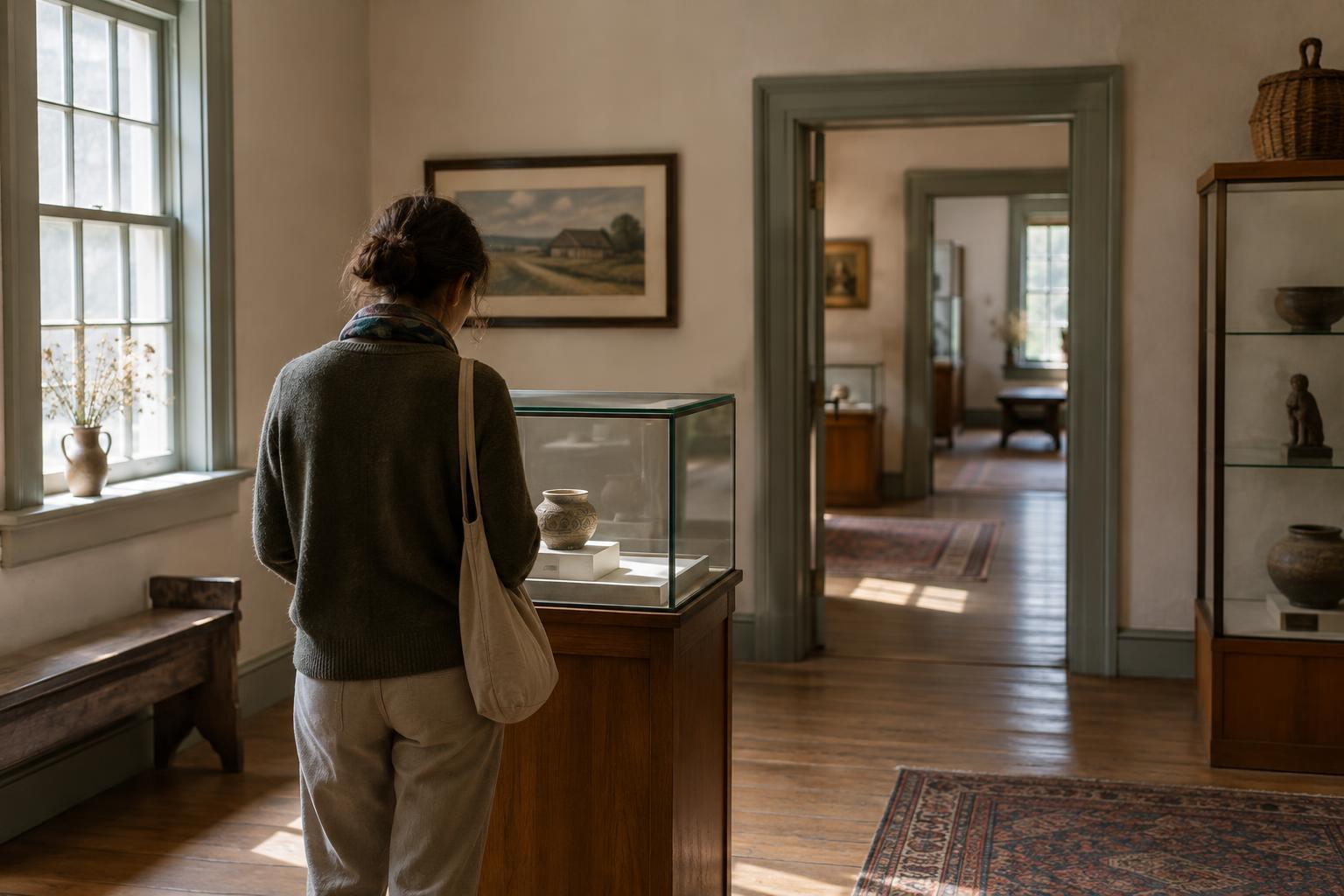
Choose one object and spend a minute with it before reading its label. Notice its scale, wear, decoration, or repairs. What seems designed for daily use? What would be difficult to understand without context? Then read the label and see which questions it answers and which remain open. This simple sequence turns a display from information to memorize into something to investigate.
Labels vary in length and purpose. You can read a short introductory panel for context, then select the object labels that help you follow a thread. If a photograph shows a street you know, for example, look for details at its edges as well as its central subject. If an everyday tool is unfamiliar, compare it with nearby objects before reaching for a quick explanation. Close looking is not a test of expertise; curiosity is enough.
Leave room for people and for return visits
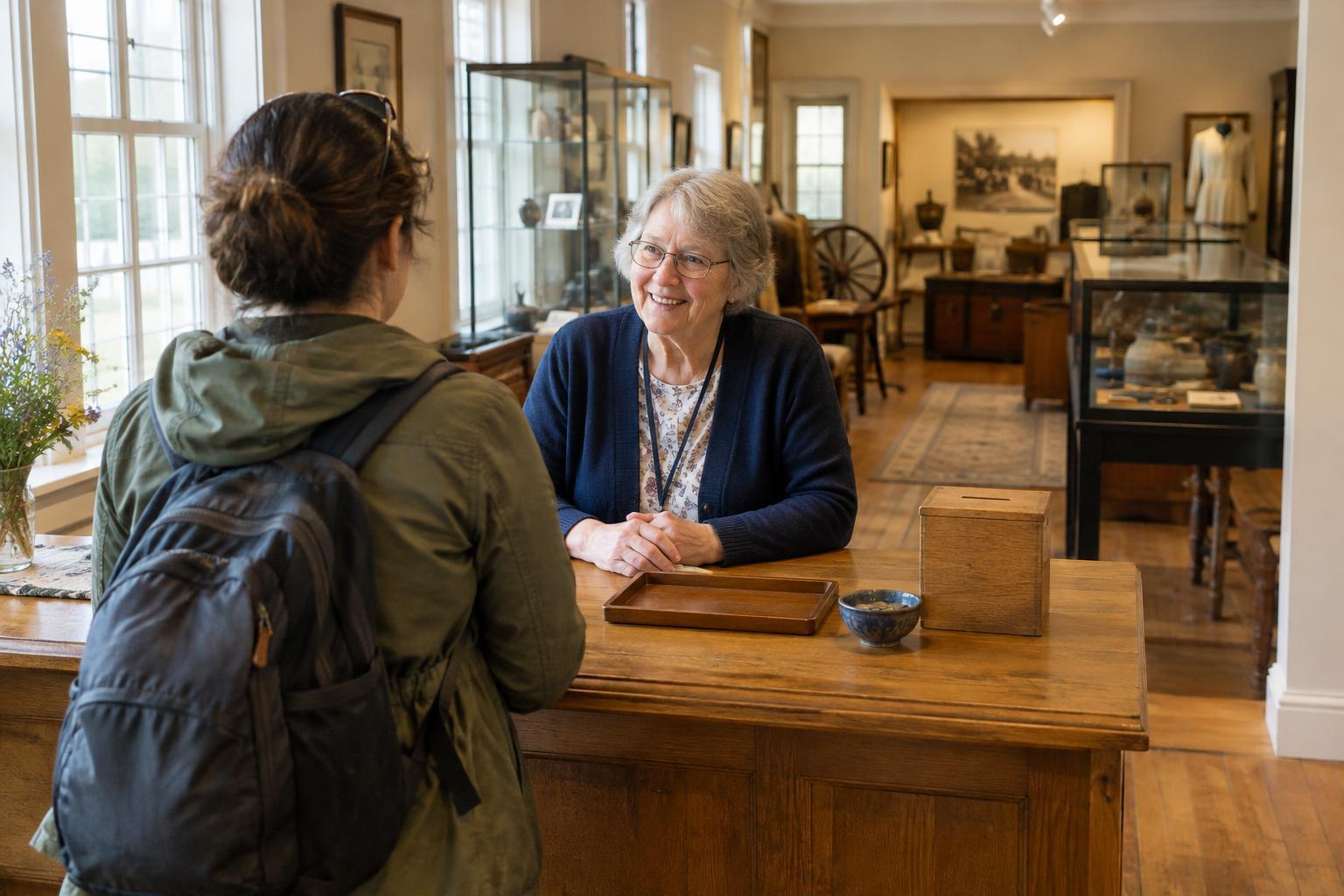
Small museums often reflect the work of local staff, volunteers, donors, and communities, but each has its own story and priorities. If someone is available and conversation is welcome, ask a specific, open question: which display helps explain the building, or what visitors tend to overlook? Keep the exchange brief when others need assistance, and follow the museum’s guidance about handling objects and taking photographs.
As your time ends, resist the urge to sprint through the remaining cases. Return to the object or room that stayed with you, or take a quiet minute near the exit to recall what changed your understanding. If you make a note, record a detail and a question rather than trying to summarize the whole museum. Leaving something unseen is not a failed visit. It gives the collection room to remain a place you can think about—and perhaps revisit.