Start with the object, then turn to the label
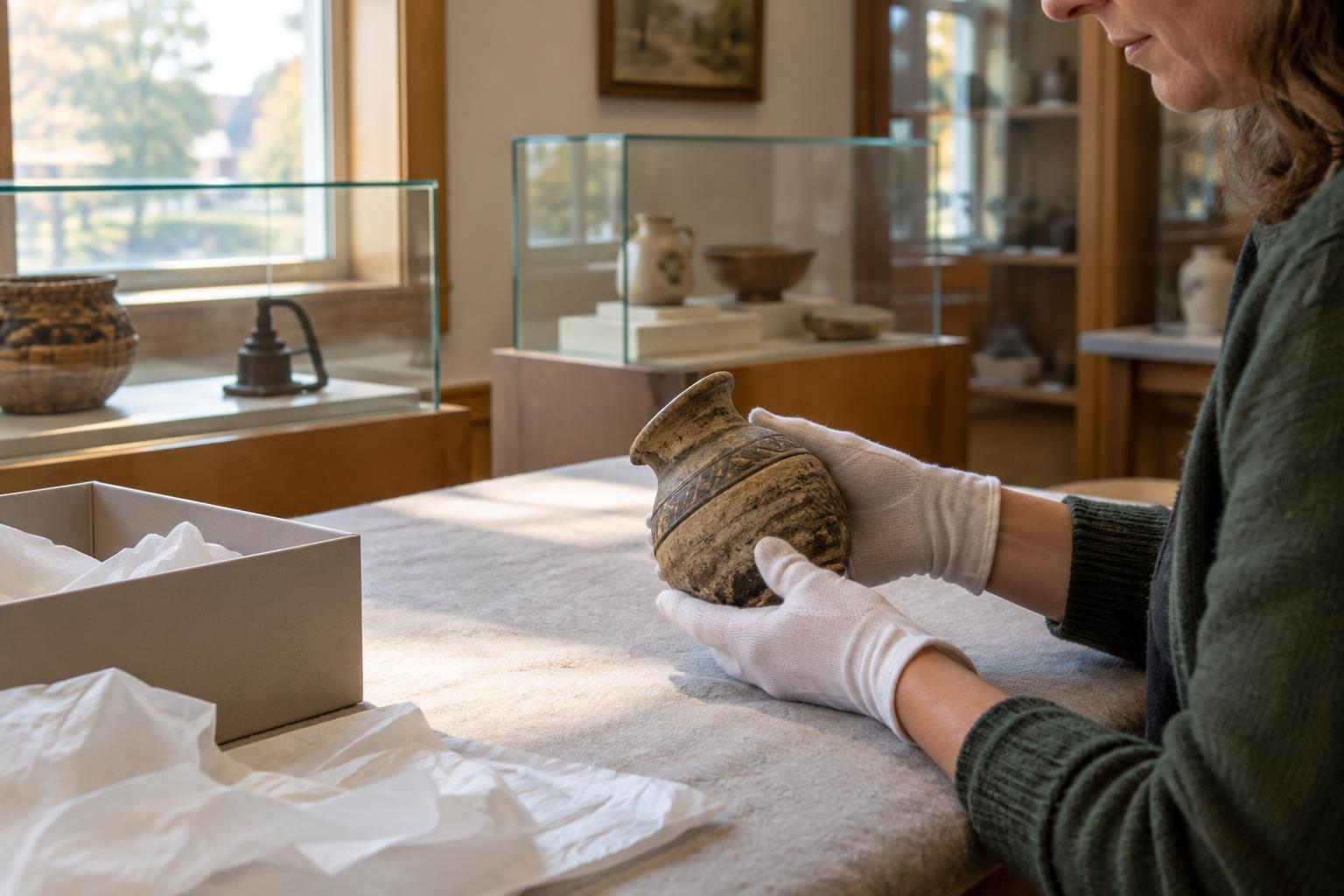
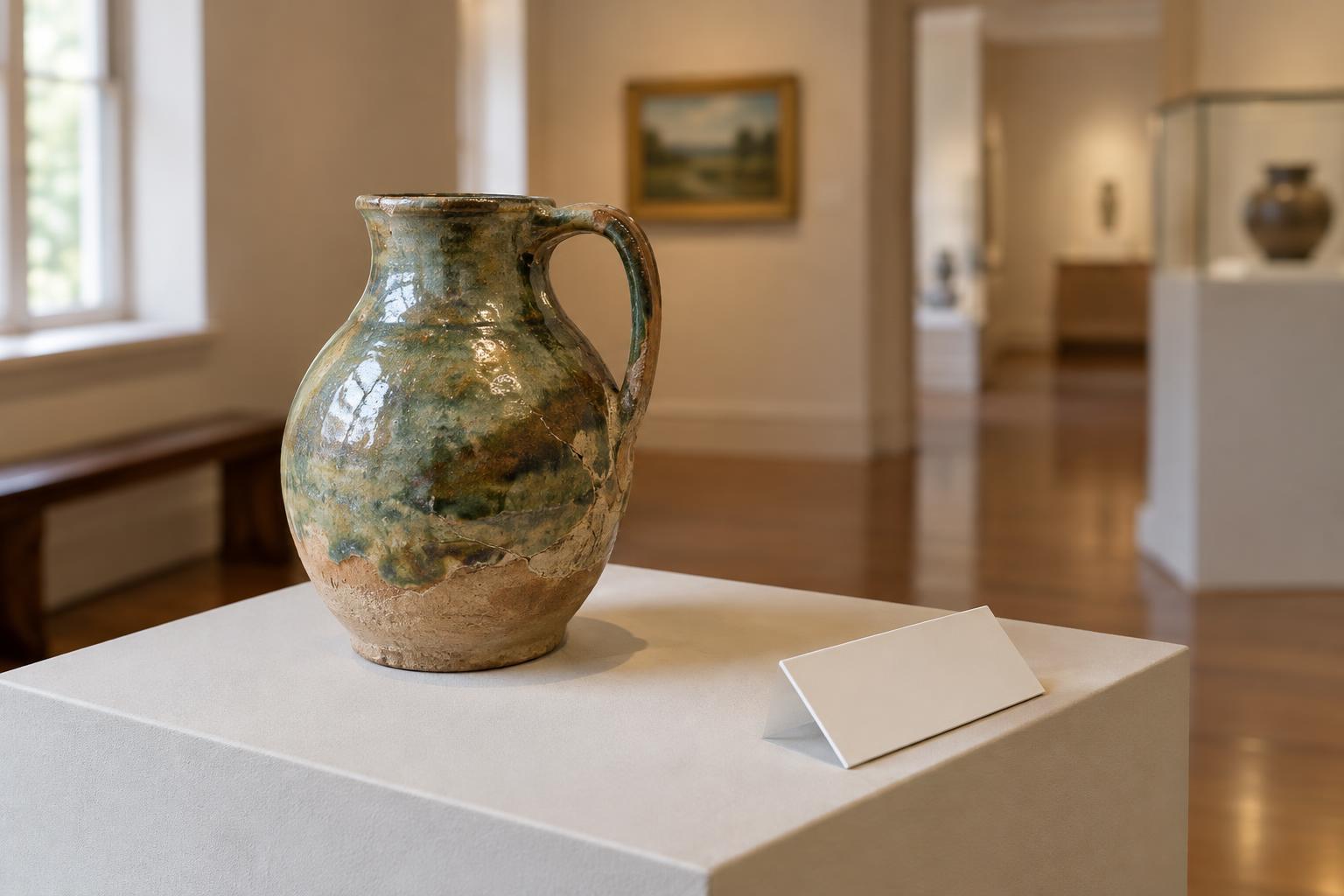
In a small museum, a handwritten receipt, a carved tool, or a worn piece of clothing may have only a few lines of explanation. It is tempting to read those lines first and let them decide what matters. Try reversing the order. Look at the object for a moment: its size, signs of repair, decoration, and any parts that seem unusually worn. Then read the label and see which of your observations it addresses.
Most object labels offer a compact set of clues: a name or description, a date, materials, a maker or place, and sometimes an acquisition number or note about how the museum obtained it. These fields are useful, but they are not a complete biography. Reading a label well means noticing what each field can tell you—and what it cannot.
Ask what the date is dating
A date beside an object often estimates when it was made. A precise year may come from an inscription or a record; a wider span may reflect a style, construction method, or incomplete documentation. Words such as “circa” and “probably” are not signs that the museum has failed. They tell you how closely the available evidence supports the date.
Check whether other dates refer to different events. A photograph might have been taken in one year and printed in another. A household object might have been made decades before it was donated to the museum. An accession number often helps the museum track when an item joined its collection, but it is not necessarily the object's age. Separating creation, use, discovery, and acquisition can reveal a much longer story.
Treat materials as evidence, not decoration
Material descriptions can change how you understand an ordinary-looking object. “Wood and iron” invites different questions from “painted wood with replacement iron fittings.” The latter points to alteration as well as original construction. Similarly, “cotton” names a fiber, while “cotton, embroidered” adds a technique. Where a label distinguishes materials from methods, read both: what something is made of and how it was worked are related but separate clues.
Materials can suggest how an object was handled, repaired, or displayed, though they rarely prove those stories on their own. A polished surface might result from use, later cleaning, or both. If the label names a material you do not recognize, compare the word with what you can see rather than assuming the visible surface tells the whole story. Coatings, linings, and hidden supports may be easy to miss.
Read maker lines with care
A named maker can seem to settle an object's identity, but labels use several levels of attribution. “By” generally presents a firmer identification than “attributed to.” “Workshop of” may connect an object to a group rather than a single pair of hands, while “style of” describes a resemblance without necessarily claiming the maker produced it. These distinctions matter, particularly for objects made collaboratively or passed down through generations.
Also notice whose names appear elsewhere on the label. A donor, previous owner, collector, photographer, or person who used the object is not automatically its maker. For many everyday objects, the maker's name was never recorded. That absence can reflect how work was valued and documented, not a lack of skill. Rather than filling the gap with a guess, consider what the museum can say about the object's use, community, or place.
Let uncertainty lead to better questions
Labels sometimes say “unknown,” “possibly,” or “believed to be.” Such words mark the edge of the museum's knowledge. They may concern the maker, the date, an object's original purpose, or the route by which it entered a collection. A short label may also leave out information simply because space is limited. Neither certainty nor silence should be read as the whole story.
Before moving on, ask three questions: What does this label establish? What does it suggest? What remains open? If you are curious about a gap, a gallery guide, collection record, or staff member may be able to offer more context, though further records may be incomplete too. Small museums often preserve objects close to the places where they were used. Reading their labels patiently can make those local connections visible without pretending that every detail is known.