Name what was new to you
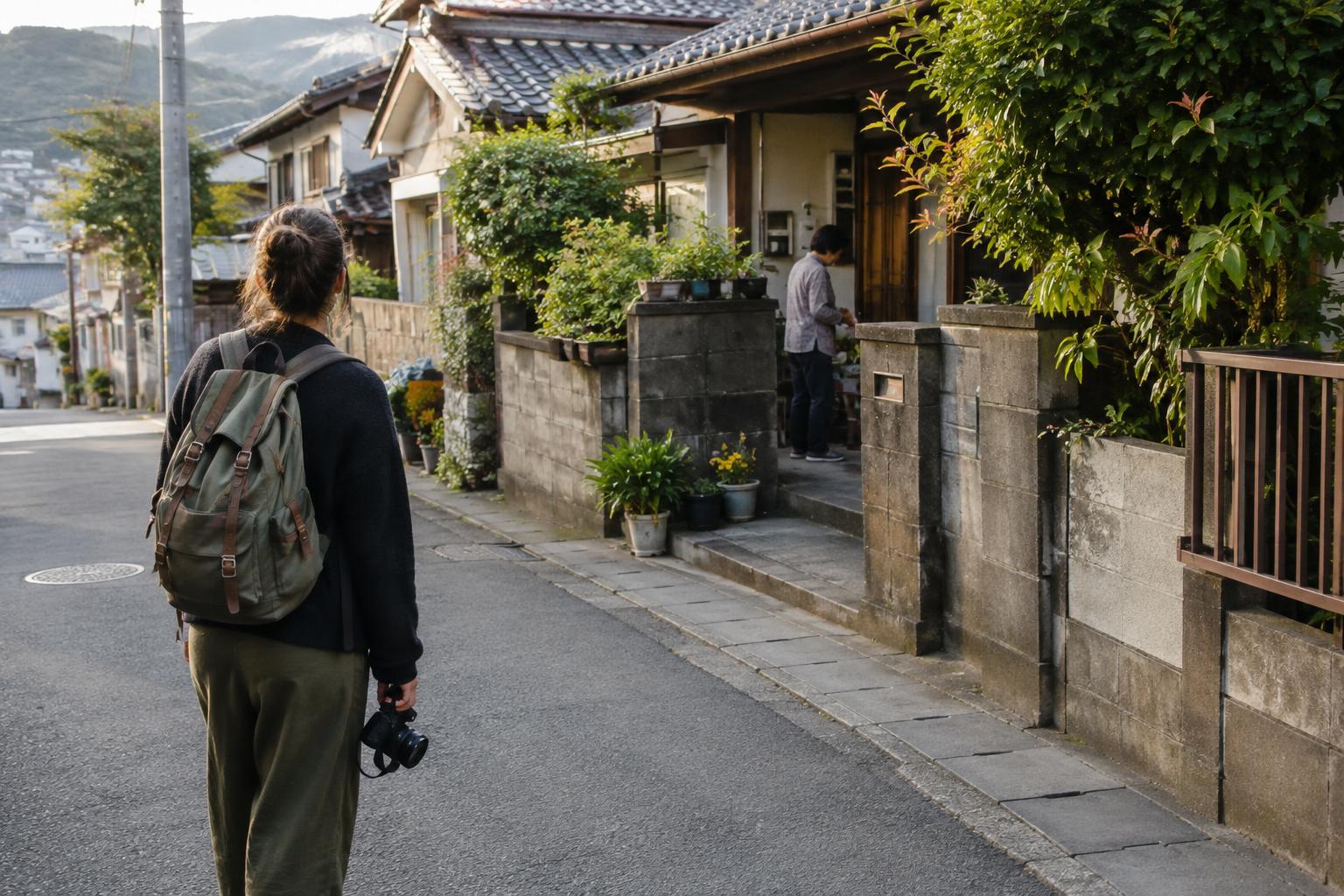
A quiet courtyard, an unfamiliar style of shopfront, or a small museum can feel like a discovery. That feeling is real, but it belongs to the visitor. The place may be part of someone else’s daily route, family history, or workday. When you describe it, try replacing “I discovered” with “I hadn’t noticed,” “I learned about,” or “I spent time in.” The change does not make your experience less vivid. It makes clear whose perspective the story follows.
Be specific about that perspective. Perhaps you wandered beyond the streets you had planned to visit, or finally looked up at the buildings along a familiar route. Say so. A reflection becomes more interesting when it explains how your attention changed, rather than suggesting that your arrival gave a place its importance.
Describe before you interpret
Travel invites quick conclusions. A row of mismatched balconies might strike you as charming; a nearly empty exhibition room might feel forgotten. Neither impression tells the whole story. Begin with what you could actually observe: the materials, signs, sounds, opening hours, or way a space was being used during your visit. Then separate those details from your reaction to them.
This distinction is especially helpful when writing about everyday architecture or neighborhood life. Instead of calling a street “untouched,” describe the older storefronts beside newer signs, or the repair work you could see. “Untouched” implies a history you probably cannot verify and can make the people who maintain a place disappear from the picture. Concrete details give readers something to imagine without asking one brief visit to stand in for the whole neighborhood.
If a detail raises a question you cannot answer, let it remain a question. You can write that you wondered why two buildings were so different without inventing a history for either one. Curiosity is a strong ending for a paragraph; certainty is not always required.
Give people room to be more than atmosphere
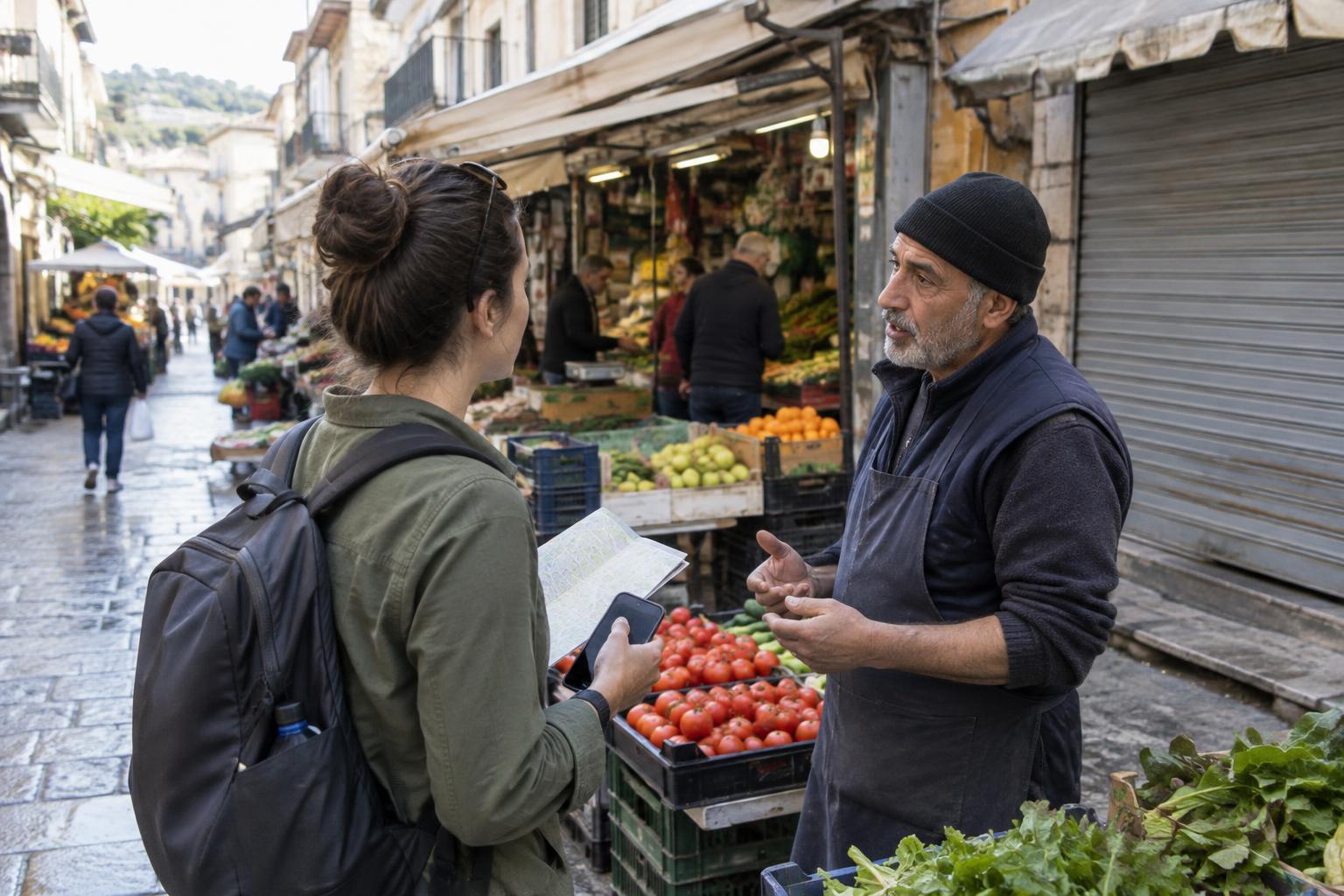
A person selling tickets, sweeping a doorway, or waiting for a bus is not part of a visitor’s scenery. If an interaction mattered to your trip, describe what happened without turning a stranger into a symbol of an entire community. You might write that a museum volunteer pointed you toward an exhibit you had missed. You do not need to claim that this exchange reveals what everyone in the area is like.
Take similar care with photos and identifying details. A public street can still hold private moments, and a small shop may be someone’s workplace rather than a picturesque backdrop. When in doubt, ask before making a person the focus of a photograph, and consider whether sharing a precise location serves the story. Sometimes a description of a doorway, a display case, or your own response says enough.
Credit also matters. If a guide, curator, resident, or shopkeeper helped you understand something, acknowledge their contribution in a way they would be comfortable with. If you did not ask how they wished to be identified, avoid filling that gap with assumptions.
Keep the limits of a short visit visible
Even an attentive visit captures only a slice of a place. Weather, time of day, an event, or your own route can shape what you see. Phrases such as “on the afternoon I visited” or “along the few blocks I walked” may sound modest, but they help readers understand the scale of your account. They also leave room for other experiences to be different.
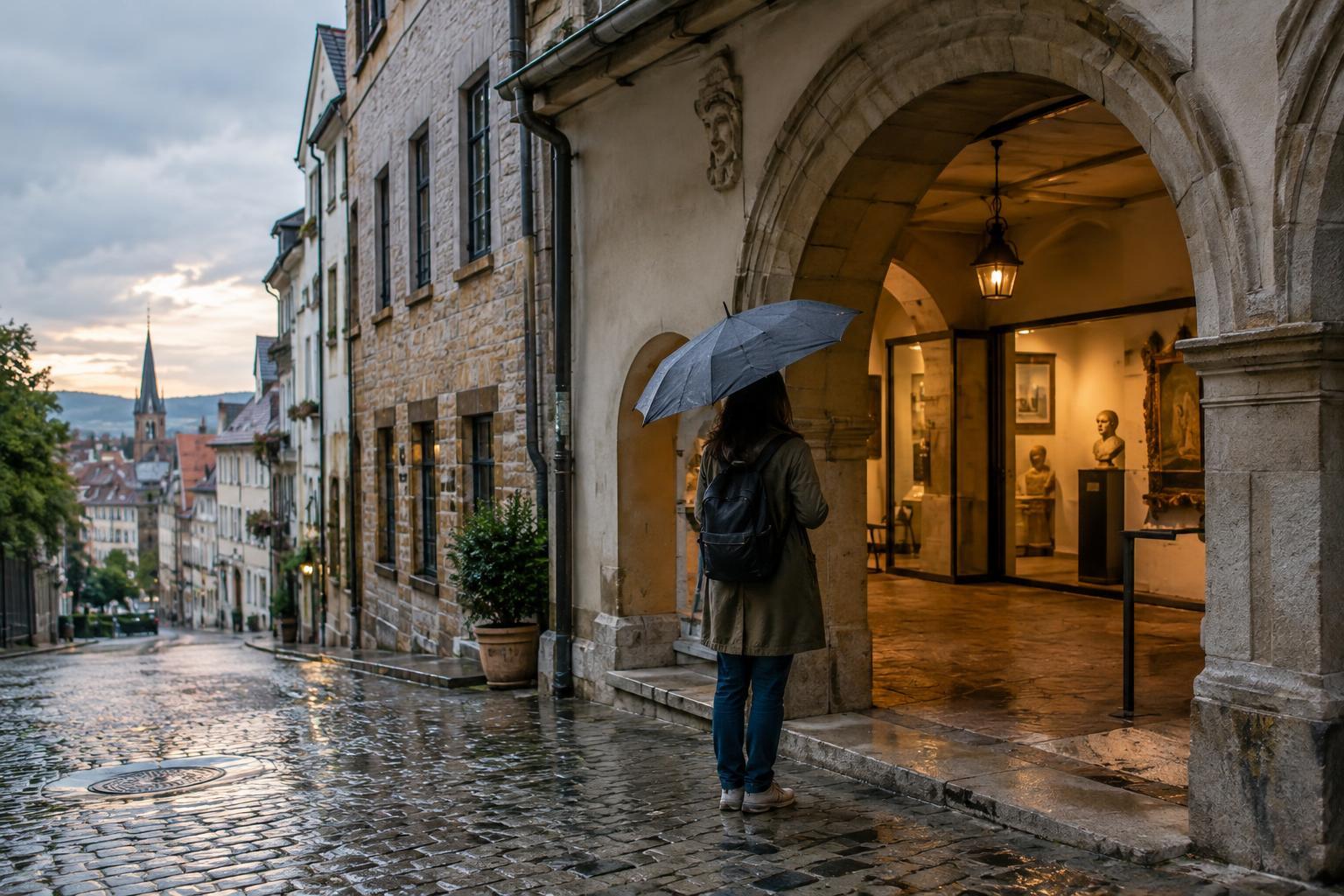
You can include the moments that complicated your first impression. Maybe the small museum you nearly passed held an exhibit that changed the direction of your day. Maybe a street you expected to be quiet was busy with ordinary errands. Such observations show how your expectations shifted without declaring what the place is “really” like. They make a travel piece a record of learning, not a verdict.
If you want more context, look for information a place offers about itself: exhibition text, neighborhood notices, or a conversation someone willingly enters. Be clear about what you learned there and what remains your own interpretation.
Share an invitation, not a claim of ownership
Before posting a reflection, read it once for phrases that make a place sound hidden, empty, or waiting to be found. Ask whether those words describe the location or only your previous lack of knowledge. Then look for places where you can shift attention from your status as a traveler to the detail that held your interest: a carefully maintained display, a practical building feature, or a walk that rewarded slowing down.
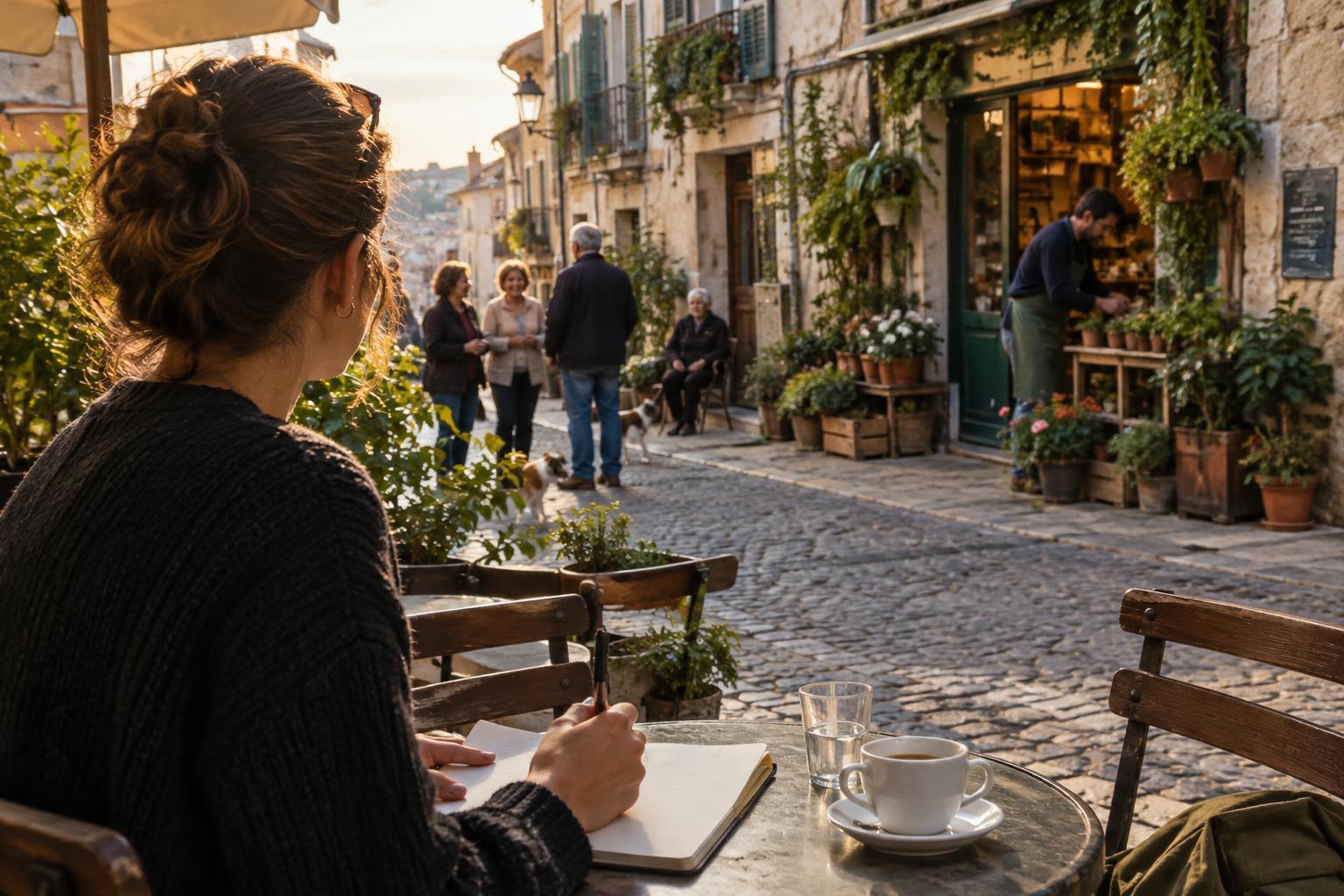
A useful travel story need not promise access to a secret. It can tell readers how to look more carefully, allow time for an unplanned stop, and respect the ordinary life continuing around them. You can share where you went and what you enjoyed while accepting that your account is one encounter among many.
The most generous conclusion may be simple: you went somewhere, noticed more than you expected, and came home with better questions. That is plenty to offer without claiming to have discovered what was already there.