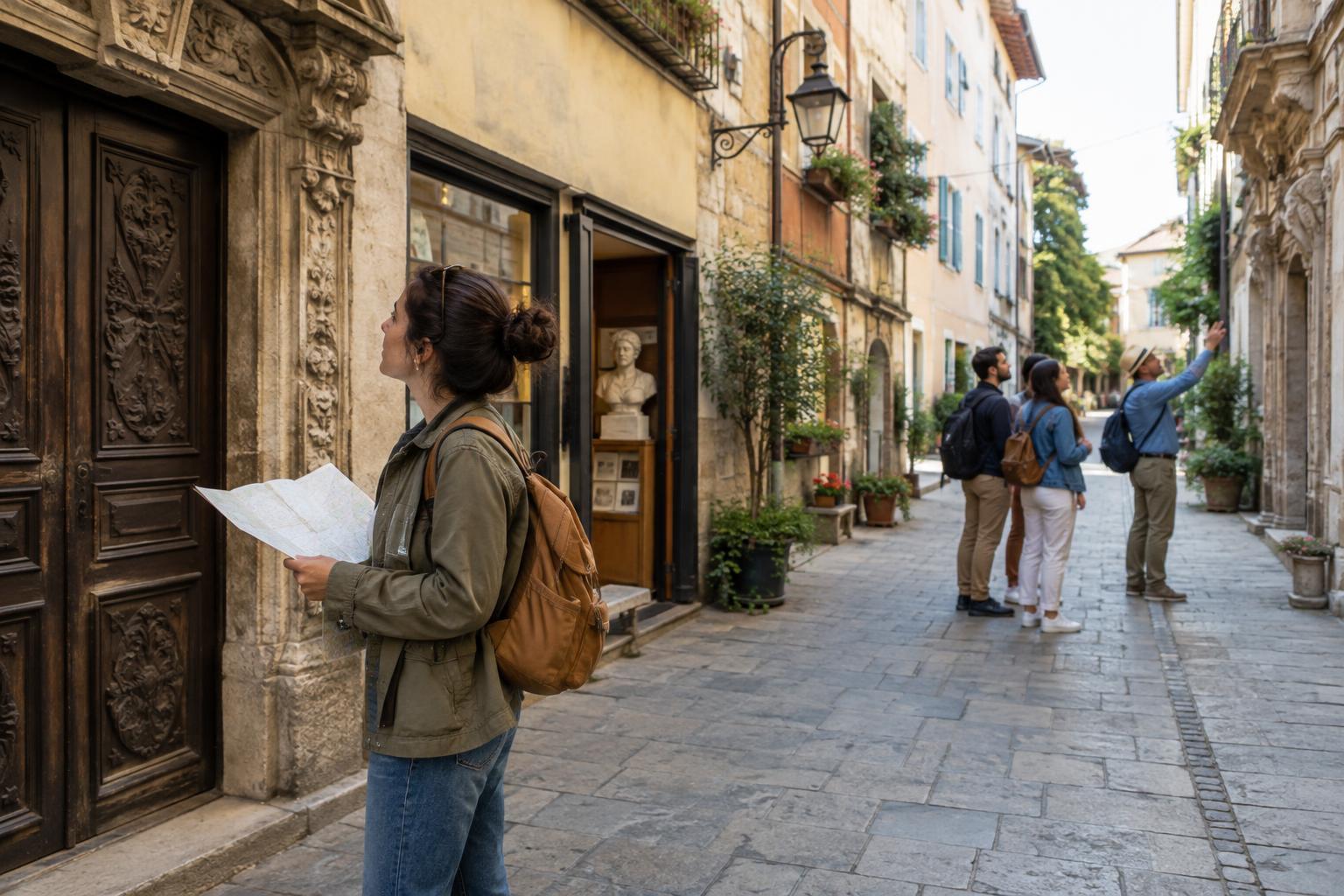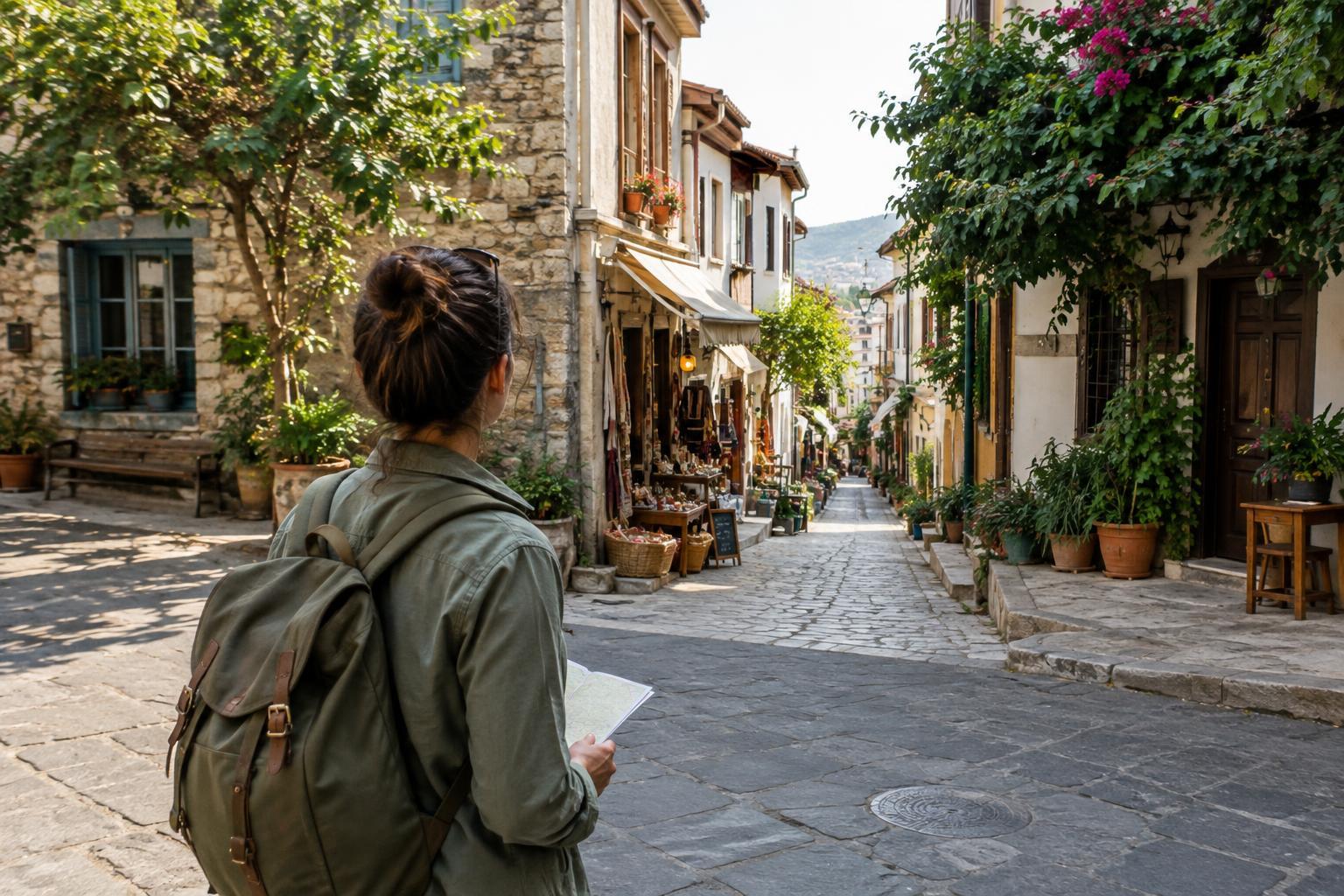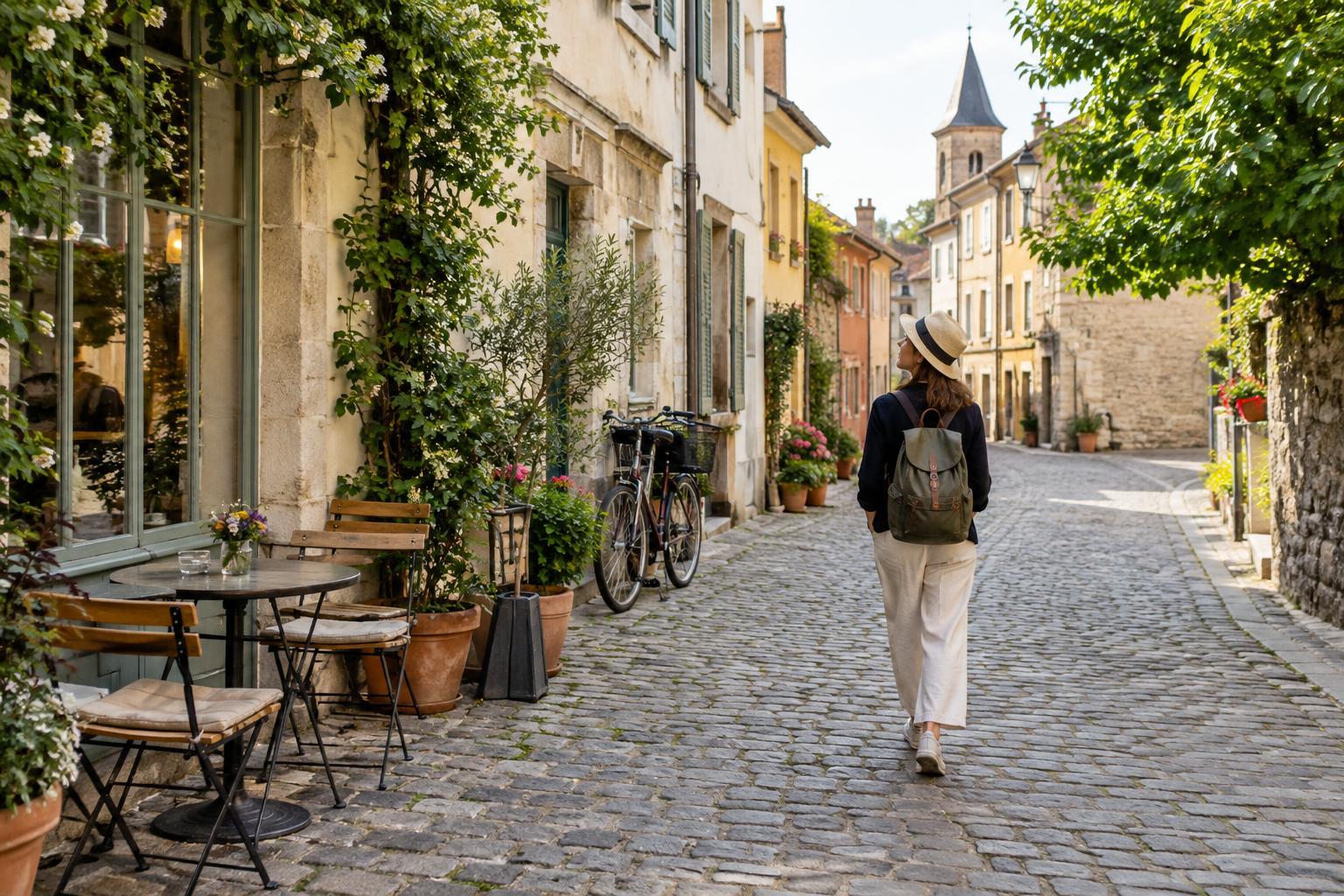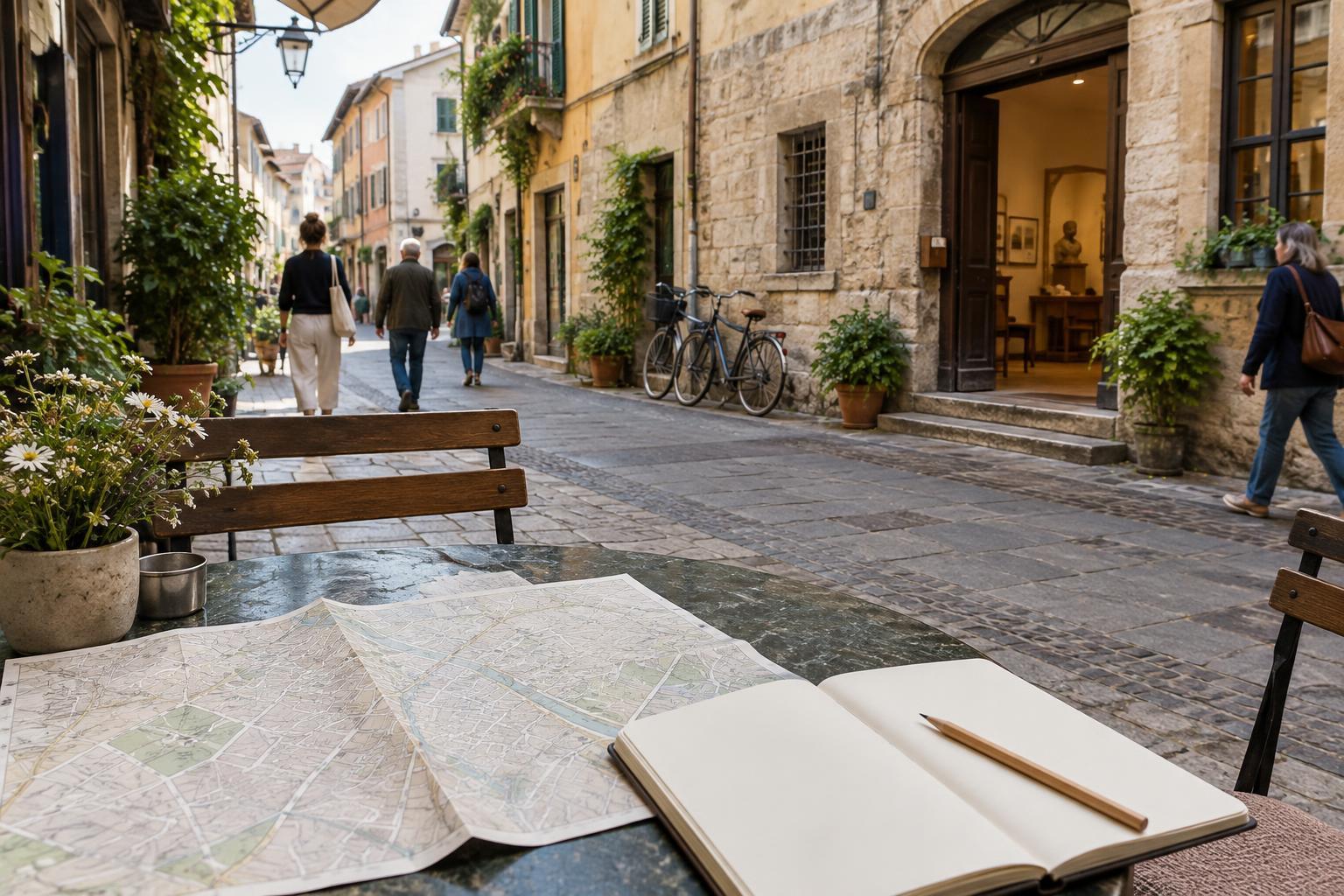
Start with questions, not a top-ten list
A ranking list answers one question well: what might appeal to many visitors? It is less useful for discovering what will interest you. Before searching for places to go, write down two or three things you enjoy noticing. Perhaps it is old shopfronts, public gardens, neighborhood markets, industrial buildings, or small collections. These interests give your research a direction without turning the trip into a checklist.
Then look at a basic map. Find the main arrival points, the center, nearby residential areas, and the routes between them. Notice waterways, hills, railway lines, and large parks: features like these can help explain why districts feel distinct. You are not trying to identify a secret spot from above. You are building a mental picture so that later recommendations have context.
Follow the institutions that remember everyday life
Tourism pages are a useful starting point, but they are not the only guides to a destination. Public libraries, local museums, heritage groups, cultural centers, and community event calendars may point toward subjects that broad travel guides skip. A small exhibition about a trade, a walking route about housing, or an archive of neighborhood photographs can suggest places worth seeing even if you never visit the institution itself.
Read these materials for themes rather than just addresses. If several sources mention a former market, for example, look for the streets that served it and the buildings that remain. Treat historical descriptions as a way to ask better questions, not as a promise that the past will still be visible. Places change, and an ordinary present-day use can be as interesting as a preserved landmark.
Use social media as a clue, not a verdict
A photograph can alert you to a building, viewpoint, or café, but it cannot tell you much about the surrounding area. Images may omit a busy road, a long journey, or the fact that a location is private. If something catches your attention, find it on a map, check whether it is open to visitors, and see what else lies nearby. That extra step helps you decide whether the place suits your day rather than merely looking good on a screen.
Look for varied perspectives when reading about a neighborhood. Visitor accounts can describe logistics; local publications and cultural organizations may offer more context. Neither represents everyone who lives there. Be especially wary of descriptions that call an inhabited area “undiscovered” or treat residents as part of the scenery. Curiosity works better when it recognizes that someone else’s everyday place is not a blank space for visitors to claim.
Build a flexible route around one or two anchors
Choose one or two places you would regret missing, then sketch a walk or transit route that connects them. A small museum, a public square, and a neighborhood street can make a satisfying afternoon without requiring a packed schedule. Check walking distances and transit options, and leave room for a meal, a rest, or an unplanned turn down a public street.
Before setting out, verify practical details through the venue or transport operator where possible. Opening hours, admission rules, accessibility information, and service patterns can change. Save a backup option nearby, particularly if your anchor is a small institution with limited hours. A flexible plan makes it easier to respond to what you find instead of spending the day trying to complete a list.
Let respect shape what you look for
Research can reveal compelling details without making every detail a destination. A residential courtyard, school, place of worship, or working business may have an interesting history but limited public access. Observe from public spaces, follow posted rules, and ask before photographing people. If a neighborhood business welcomes visitors, buying something modest can be a better way to engage than treating it as a backdrop.
After your visit, note what surprised you and what you still do not understand. Perhaps a familiar building type appeared in an unfamiliar form, or a local exhibition changed how you read a street. Those observations can guide your next trip more effectively than another list of must-sees. The aim is not to avoid popular places; it is to arrive with enough context to notice the places between them.