Start with one simple journey
You do not need to understand an entire transit network before taking your first ride. Pick a straightforward trip, such as the journey from your accommodation to a museum or neighborhood you want to explore. Find the nearest stop at each end, note the route number or line name, and identify the direction of travel. A line may have two directions with the same name, so the destination shown on a vehicle or platform is often more useful than the line name alone.
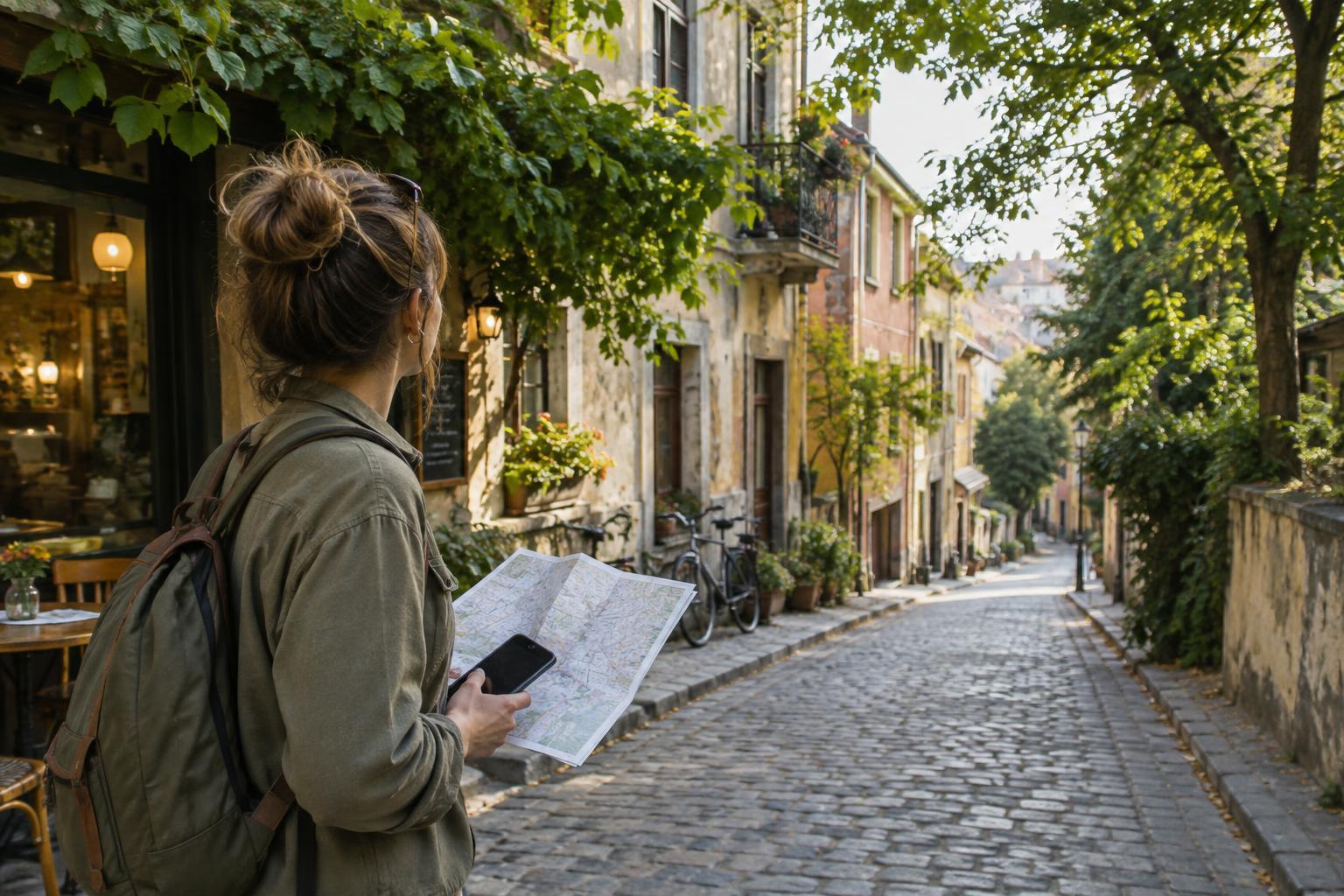
Check the route using an official transit map or trip planner where one is available. A second map can help you see how the journey fits into the wider city, but treat its suggested timing as an estimate. Save the stop names and transfer points in a form you can access without a connection. It also helps to identify an alternative: a nearby stop, a different route or a reasonable place to walk from if you get off early.
Sort out payment before you board
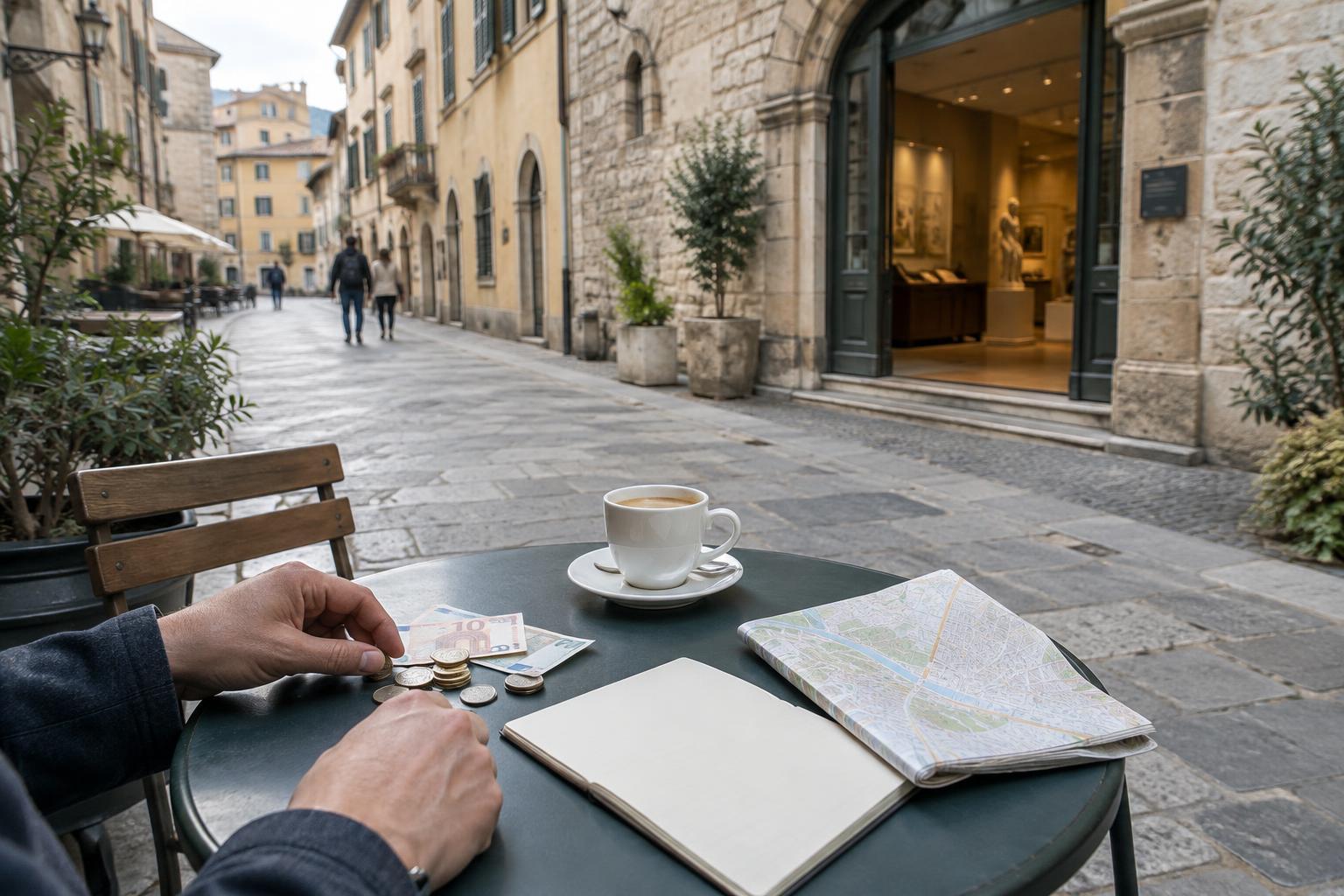
Fare rules vary widely. A city might use paper tickets, reloadable cards, contactless payment, an app or a combination of these. Before traveling, find out where tickets are sold, whether you must validate one, and whether you need to tap when entering, leaving or both. If your route includes a transfer, check whether one fare covers it or whether another payment is required.
Look for the operator’s posted instructions at stops and stations rather than assuming that a method used elsewhere will work. If you plan to pay with a phone, consider what you would do if its battery ran low. Keep a payment method you can use readily, without displaying the rest of your wallet. Sorting out these details while you are unhurried makes the actual boarding feel much simpler.
Read the stop, then the vehicle
At a station or stop, pause long enough to match what you see to your plan. Check the stop name, line and direction on signs. At larger stations, follow signs for the correct platform or exit rather than relying only on the dot marking your location on a phone map. If a platform serves several routes, read the display on the arriving vehicle before stepping aboard.
Once on board, watch or listen for the next stops and keep track of your destination. Do not worry if you miss it: get off at a suitable stop, step aside and work out the next leg. If you need help, a short question that includes a route number or stop name is easier for someone to answer than a description of your whole itinerary. Staff or posted information may be the best starting point where available.
Build in room for changes
A useful plan is specific enough to guide you but flexible enough to survive a wrong turn. Give yourself extra time when a journey involves a transfer, an appointment or a service you have not used before. Check operating hours as well as the outward route, especially if you expect to return later. Depending on the place and time, services may be less frequent than you anticipate.
If your route changes, move out of the flow of passengers before checking your phone or map. Look for the next useful decision: which side of the street serves your direction, where the nearest transfer is, or whether walking part of the way would be simpler. Pay attention to your surroundings and use the same judgment you would in any unfamiliar public space. Confidence comes from knowing how to recover, not from never making a mistake.
Let the ride introduce the city
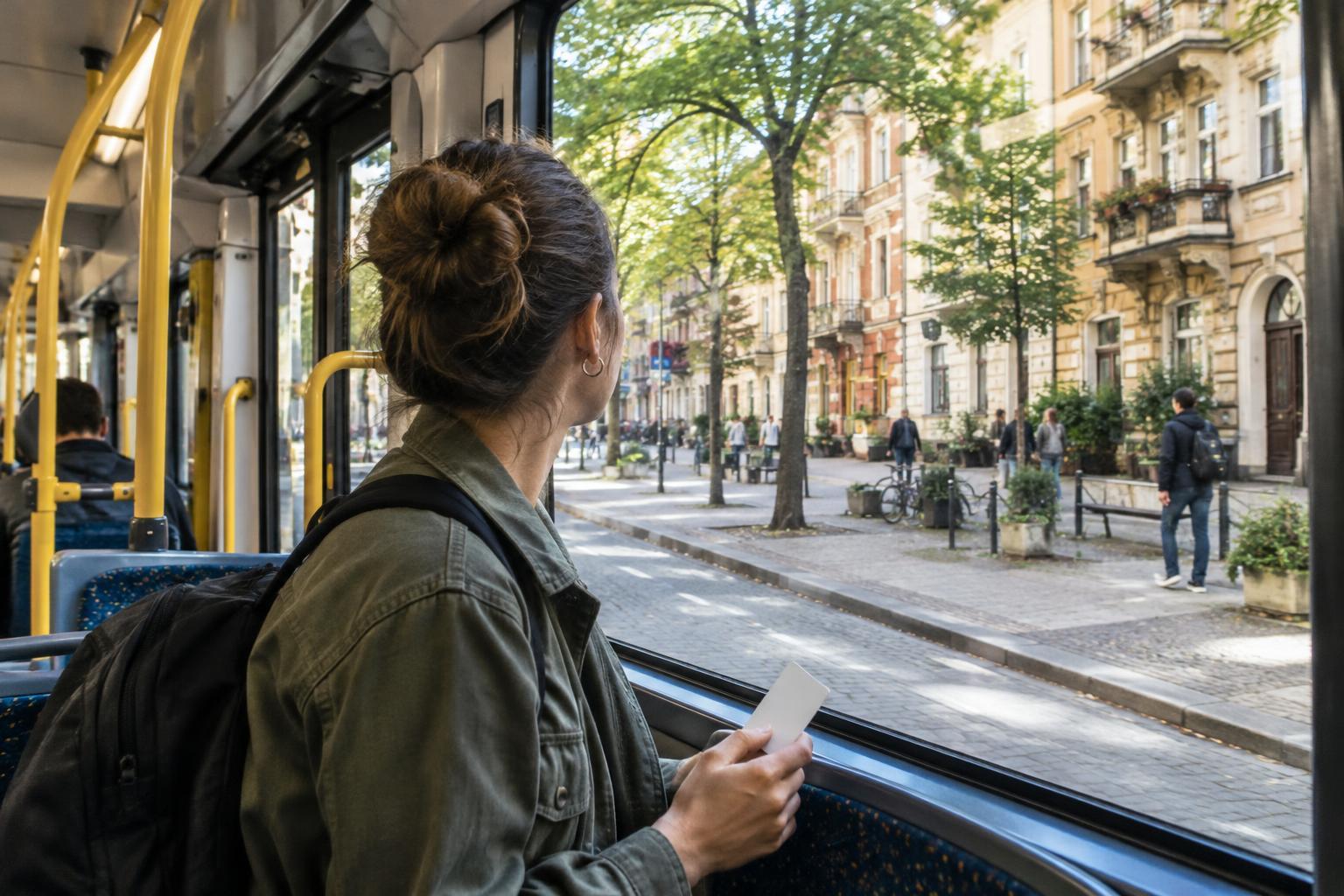
Transit can be more than a way to reach a landmark. A ride across several neighborhoods may reveal changes in building scale, shopfronts, street trees or the ways public spaces are used. Notice these details without treating other passengers as part of the scenery. Keep bags clear of seats and doors, offer space where appropriate, and follow local rules about food, noise and photography.
When you arrive, take a moment to orient yourself outside the station or stop. Note a landmark that will help you find the return entrance, then explore on foot if the area is comfortable to walk. Beginning with one well-planned ride can make later trips feel less daunting. It also gives you a practical way to reach the everyday places that are easy to overlook from a car window.