Two ways of telling a story
A small museum can feel easy to take in at a glance. There may be only a few rooms, a modest entrance and displays that do not compete for attention. Yet the choice between starting with the permanent collection or heading straight to a temporary exhibition can change what you notice. Neither is automatically the museum’s main event: they serve different purposes and ask different questions.
A permanent collection usually draws from objects the museum holds or cares for over time. Its displays may change, but the material gives the institution a continuing subject to interpret. A temporary exhibition has a defined run and often gathers objects, images or ideas around a narrower theme. It may borrow material, revisit items from storage or invite a new interpretation of familiar holdings. At a small museum, the relationship between the two can be especially revealing.
What a permanent collection can show
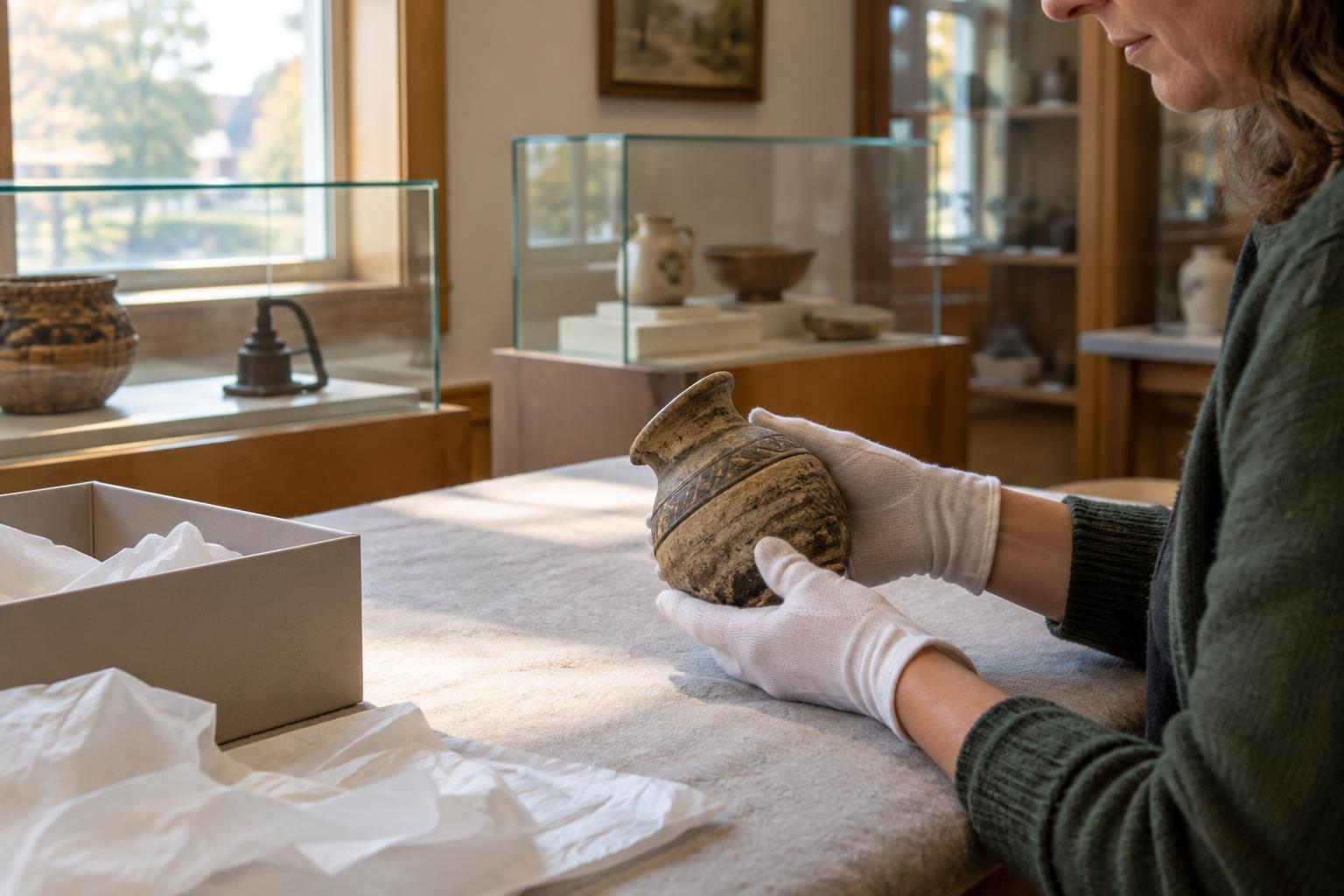
The permanent collection is a useful place to ask what a community has chosen to keep. Everyday tools, photographs, documents, clothing or handmade objects can show how people worked, celebrated, traveled or made a home. Their value is not always obvious from appearance alone. A plain object may carry a detailed story about local materials, changing habits or a craft passed between generations.
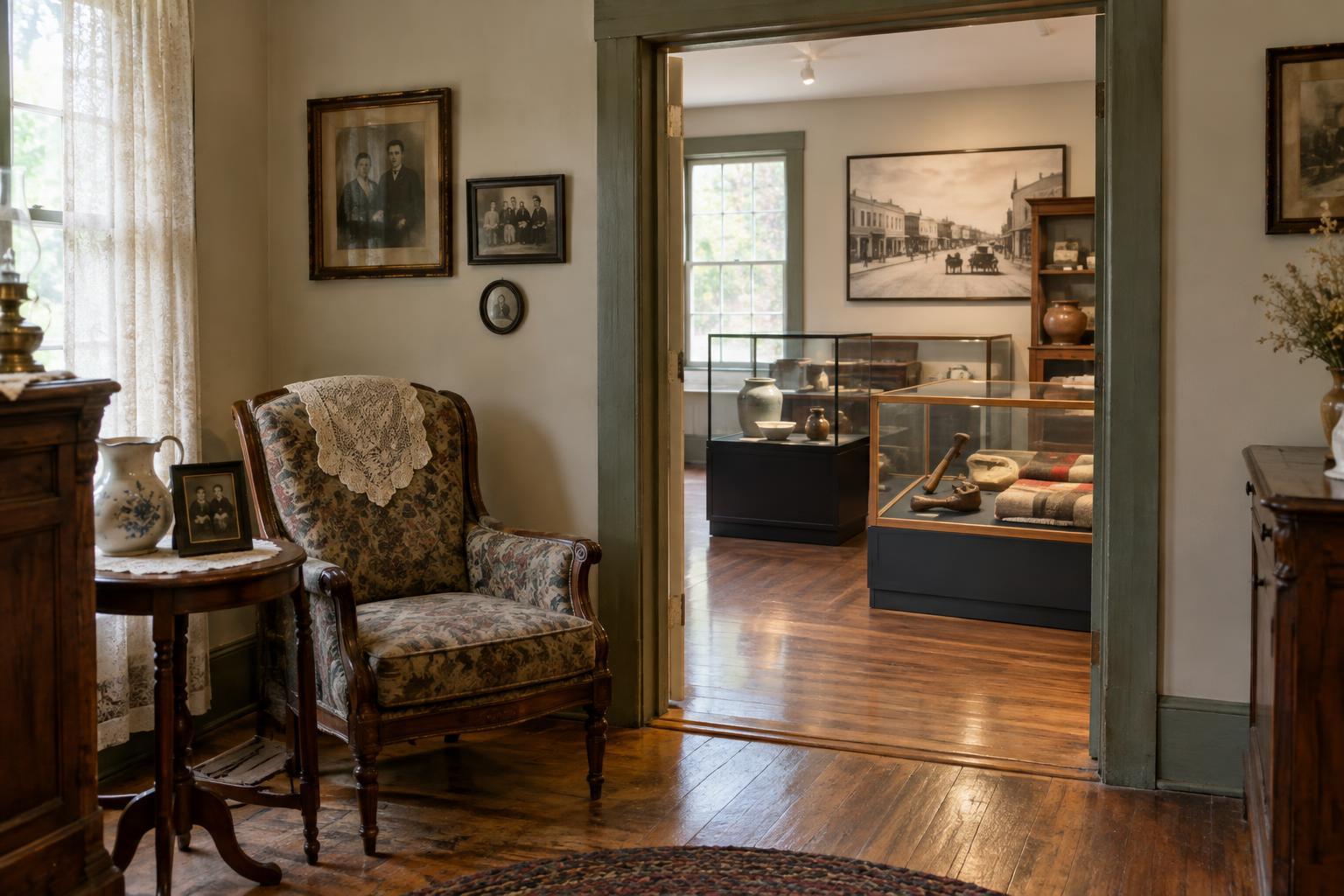
Pay attention to patterns as well as individual highlights. Which kinds of lives appear repeatedly? What places are named on labels or maps? Are objects arranged by date, neighborhood, maker or use? Those decisions can help you understand the museum’s perspective. They can also expose gaps. A collection reflects what was saved, donated, acquired and documented; it is not a complete record of everyone who lived in a place.
If labels are brief, slow down rather than treating that as a reason to move on. Look closely at wear, repairs and materials, then read whatever context is available before drawing conclusions. A repaired object, for example, might prompt questions about use and care, but its marks alone cannot tell you who made the repair or why. Curiosity works best when it stays open to what the museum does and does not know.
What a temporary exhibition can add
A temporary exhibition can make one strand of a broad collection easier to see. It might bring together objects that usually sit in separate rooms, focus on a particular neighborhood or explore a question the permanent displays leave open. Because it has limited space and a specific theme, its argument may be easier to follow: notice the introductory text, then see how each object supports, complicates or challenges it.
Temporary displays may also offer a chance to hear different voices. A museum might work with artists, residents or people connected to the objects on view. When it does, look for how those contributions appear. Are people speaking in their own words, supplying context or helping frame the exhibition’s questions? The answer matters more than a general promise of a “fresh perspective.”
A temporary exhibition is not necessarily more current, daring or complete than a permanent one. It has its own limits, including the space available and the material selected. Treat it as a focused conversation rather than the final word on its subject. If something catches your attention, the permanent collection may provide a wider setting for it.
How to explore both with limited time
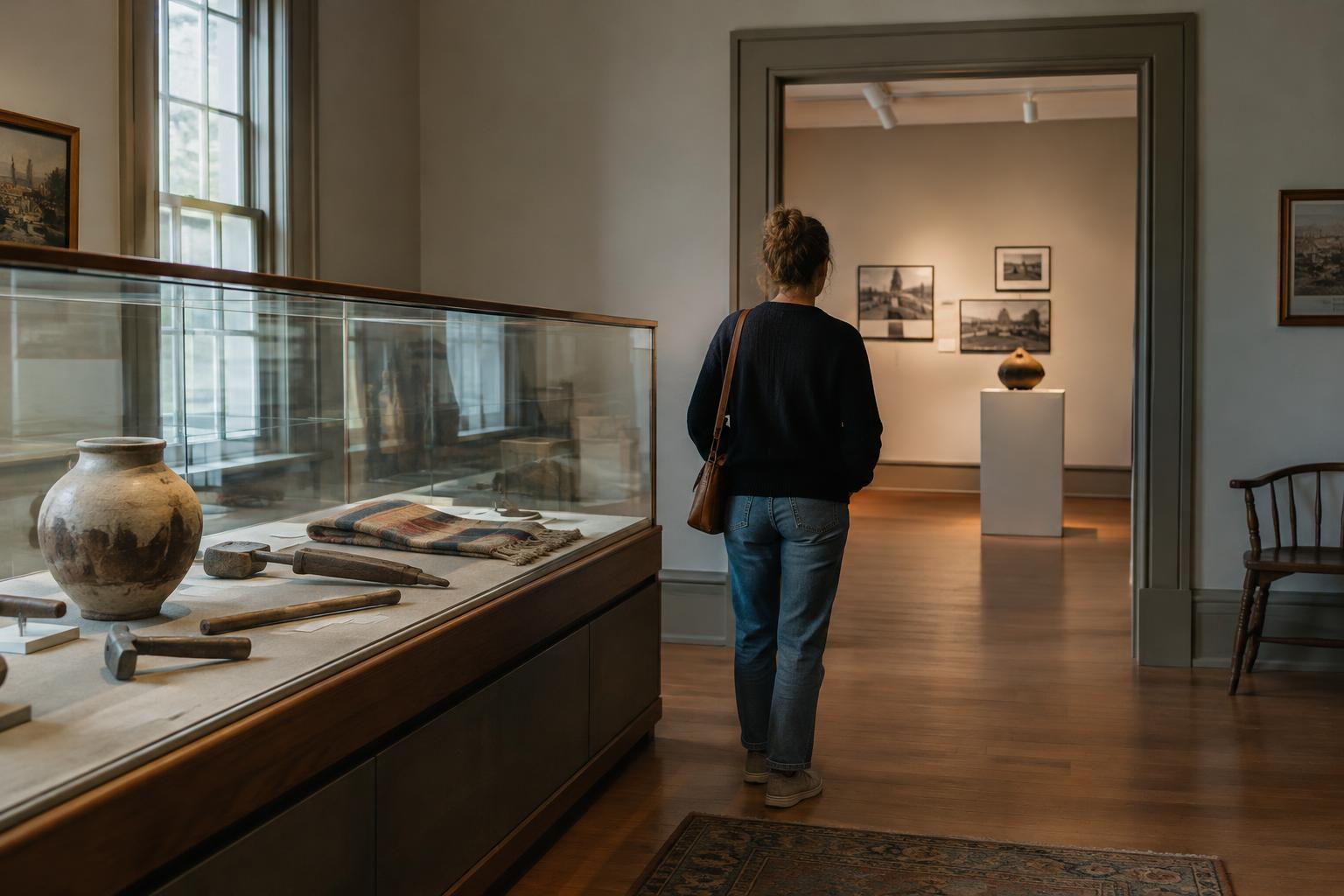
If you have an hour or less, begin by looking at the museum’s layout. Choose one question to carry between the displays: How did this place change? Whose work is visible here? What objects were once ordinary but now need explanation? Spend a little time in the permanent collection to build context, then visit the temporary exhibition and see whether it changes your first impression. You can reverse that order if the exhibition’s topic drew you in.
Resist the urge to read every label at the same speed. Pick a few objects for a closer look, and compare how they are presented in each space. A permanent display may emphasize an object’s place in a longer local story, while a temporary one may put a similar object beside unexpected material. Ask what each arrangement helps you see—and what it makes harder to notice.
Before leaving, return to one display you passed quickly. After seeing the rest of the museum, a small detail may carry more meaning. This second look is often more rewarding than trying to cover every case.
Leave room for what is missing
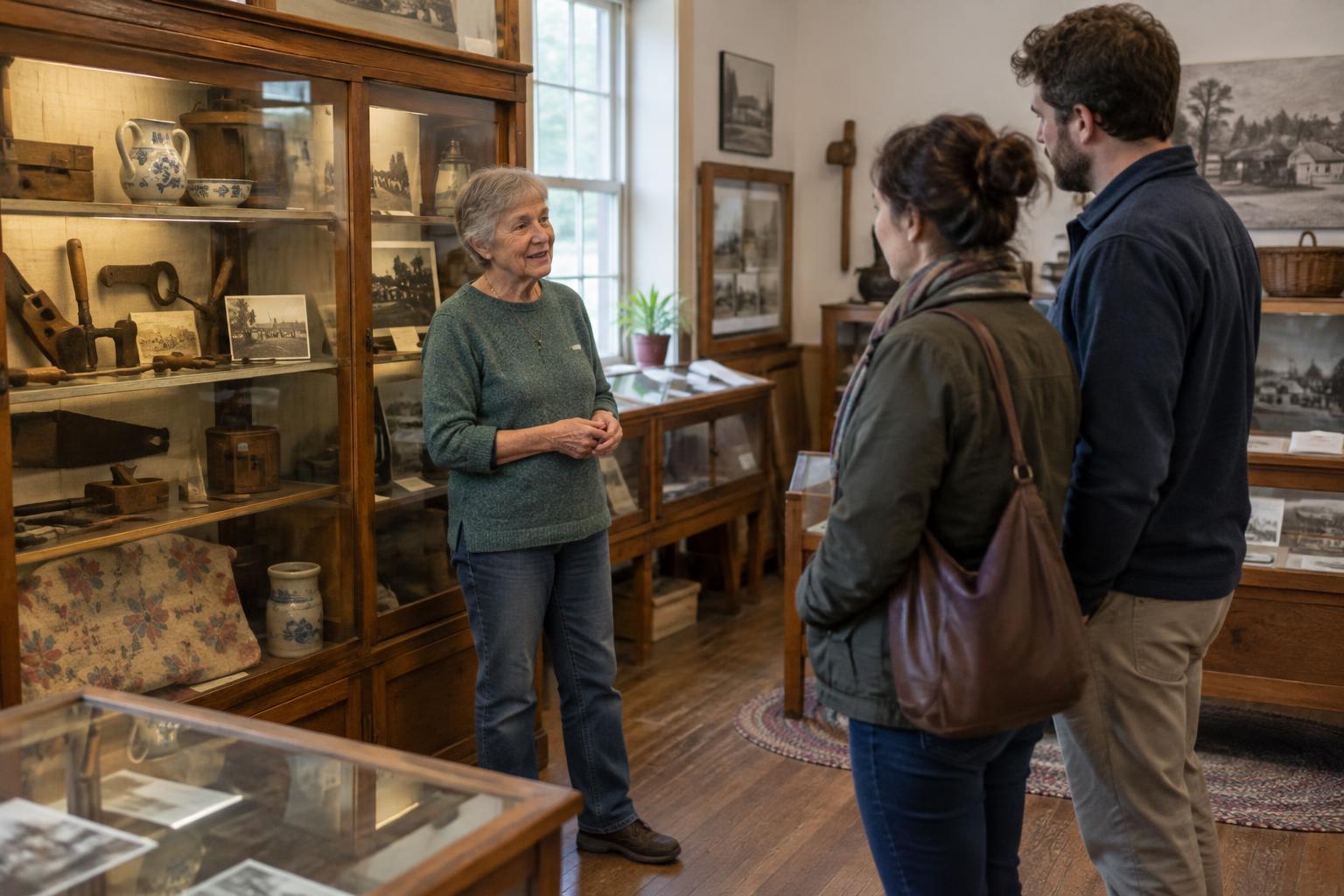
Small museums often reward careful questions more than a checklist approach. If staff or volunteers are available and conversation is welcome, you might ask why an object was included, whether a display changes or where to learn more about a theme. Keep the question open-ended, and respect that the person you ask may not have every answer.
Most importantly, notice the limits of both formats. A permanent collection preserves some stories while other evidence may be scarce. A temporary exhibition can bring attention to an overlooked subject but cannot contain every perspective. Seeing the two together lets you appreciate the work of preservation and interpretation without mistaking either display for a complete account of a place.