Start with what people need
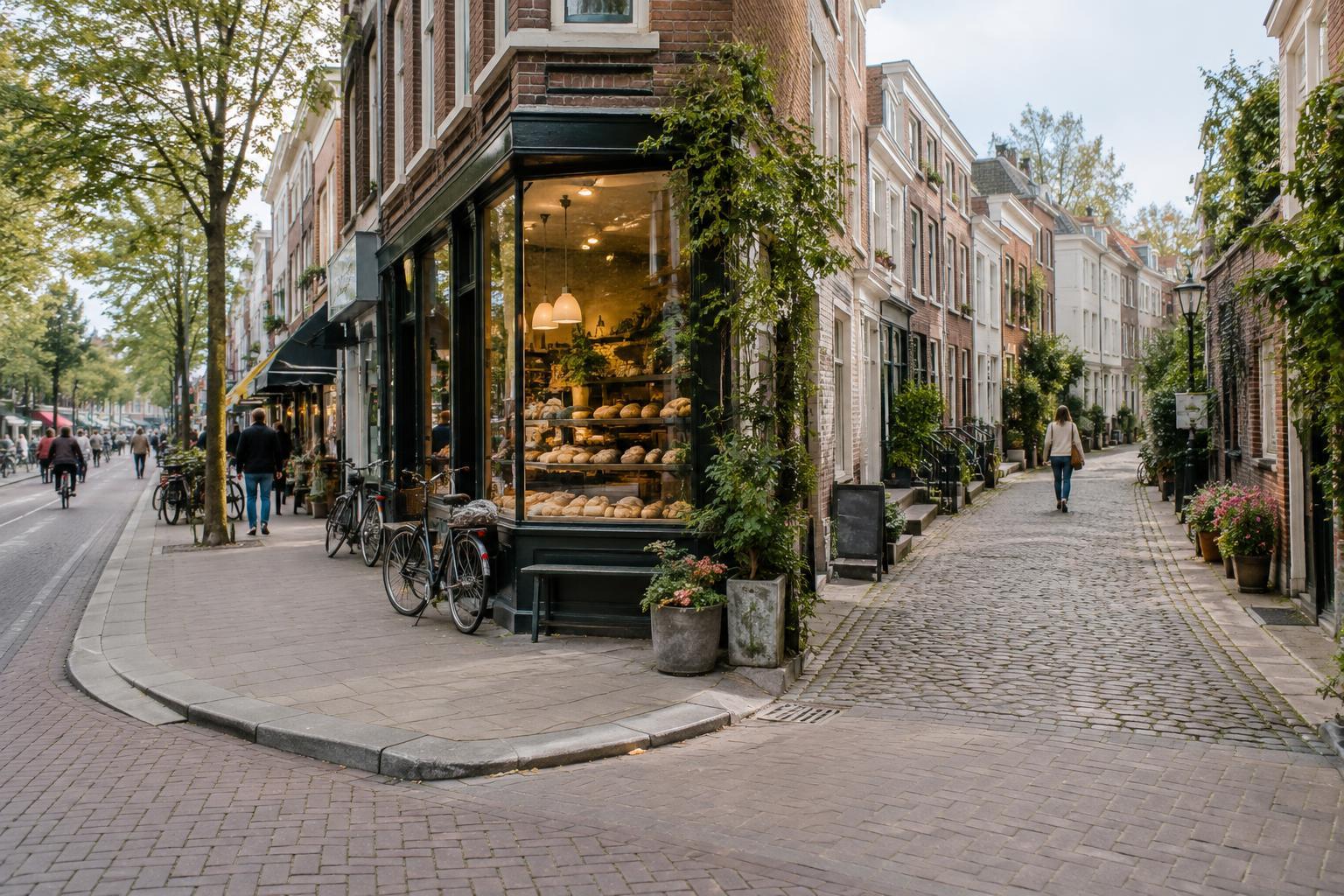
When visiting an unfamiliar neighborhood, it is tempting to look first for a striking building or a place to eat. Try looking instead for the services that make an ordinary day possible. Where can someone buy bread, post a parcel, mend a shoe, wait for a bus or sit down without making a purchase? These places may be easy to pass by precisely because they are useful rather than showy.
Everyday services offer clues, not a complete account of a community. A row of small shops might suggest that residents can run several errands on foot; a long walk between grocery stores might raise a different question. Neither observation tells you who lives there or what they need. Use what you see to become more curious, not more certain.
Follow the shape of a daily errand
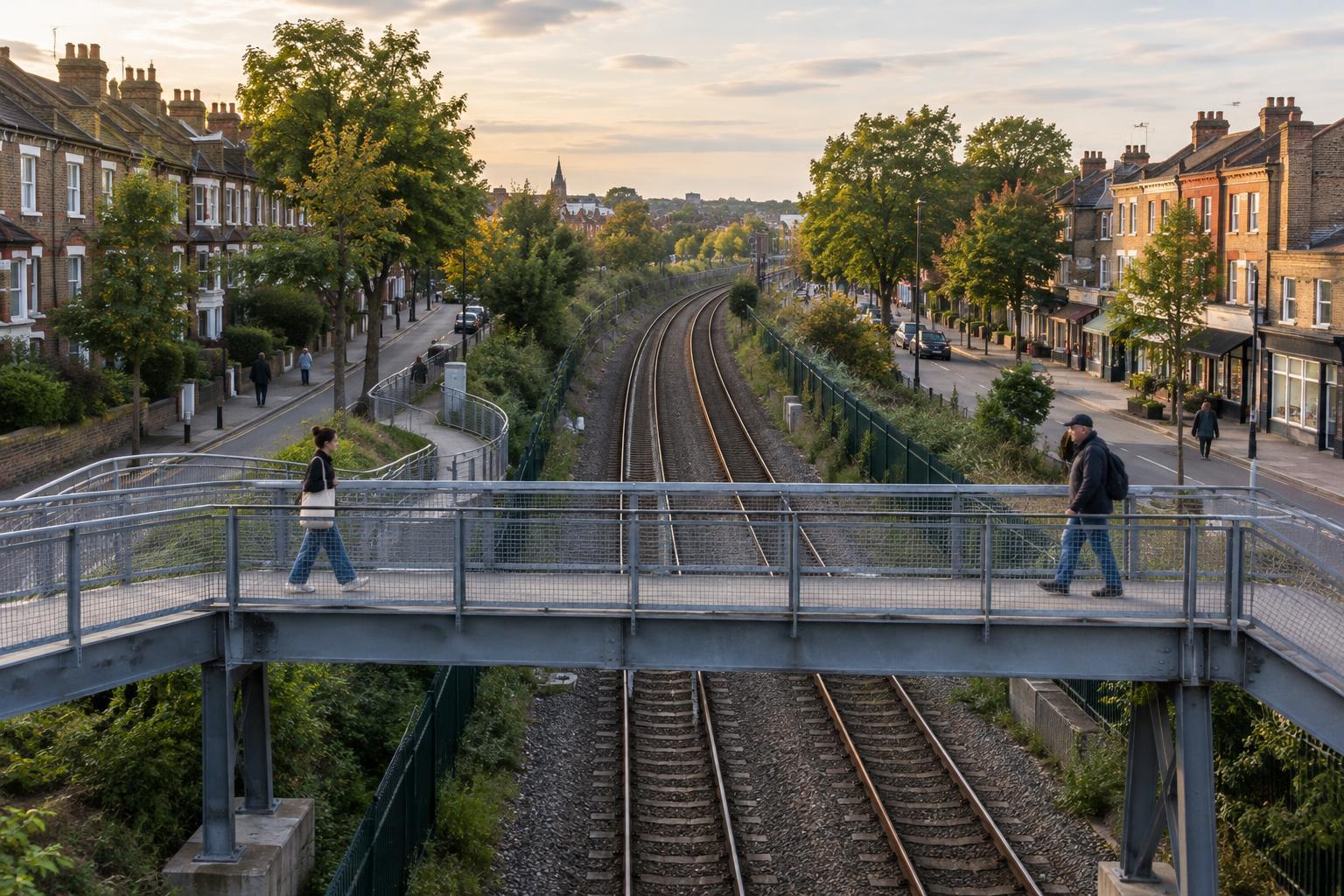
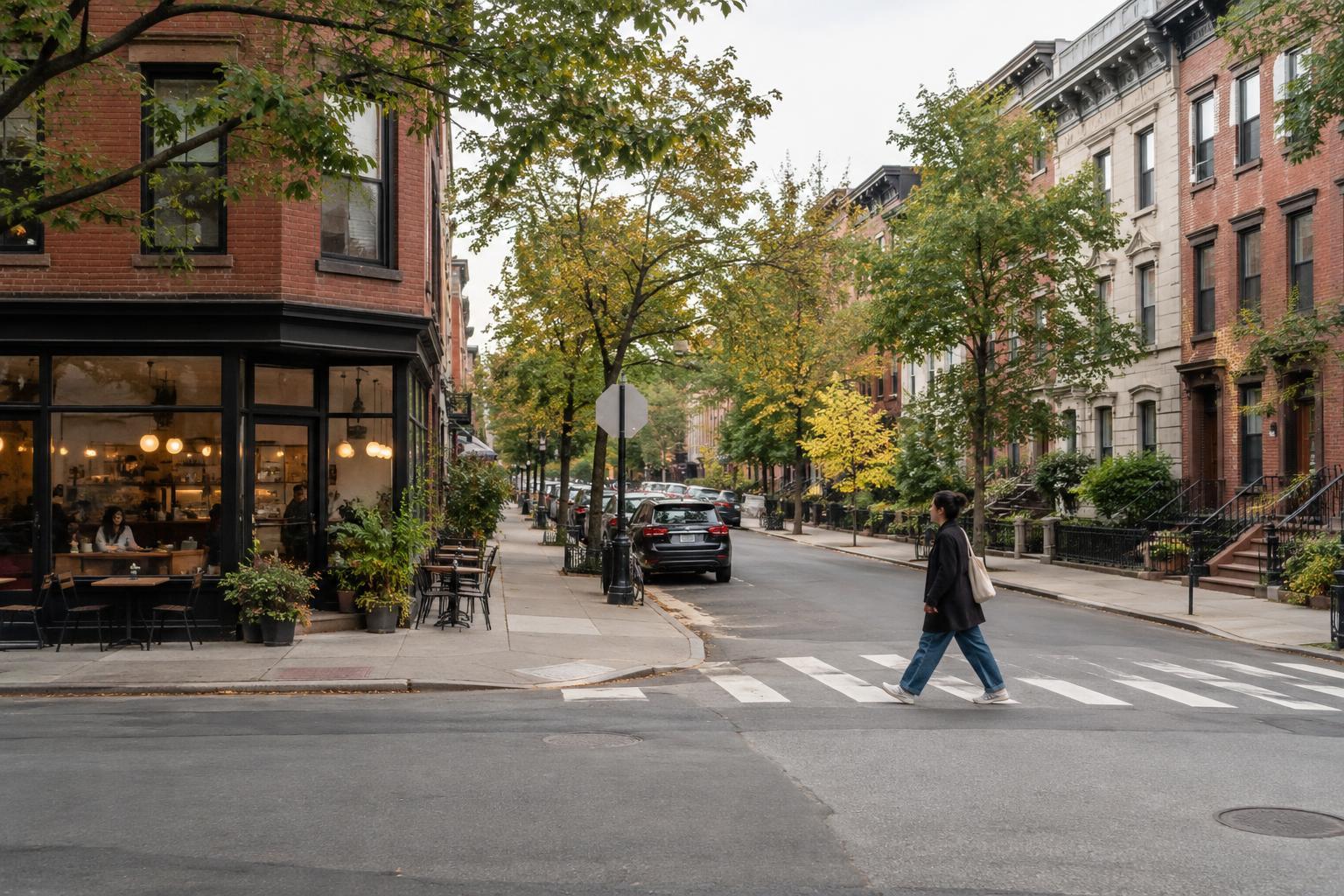
Choose a short route that connects a few practical destinations: a transit stop, a food shop, a pharmacy and a park, for example. Notice how easy it is to move between them. Are crossings clear? Is there shade or shelter? Are there places to rest? The distance between services matters, but so does the experience of covering it, especially for someone carrying shopping or traveling with a child.
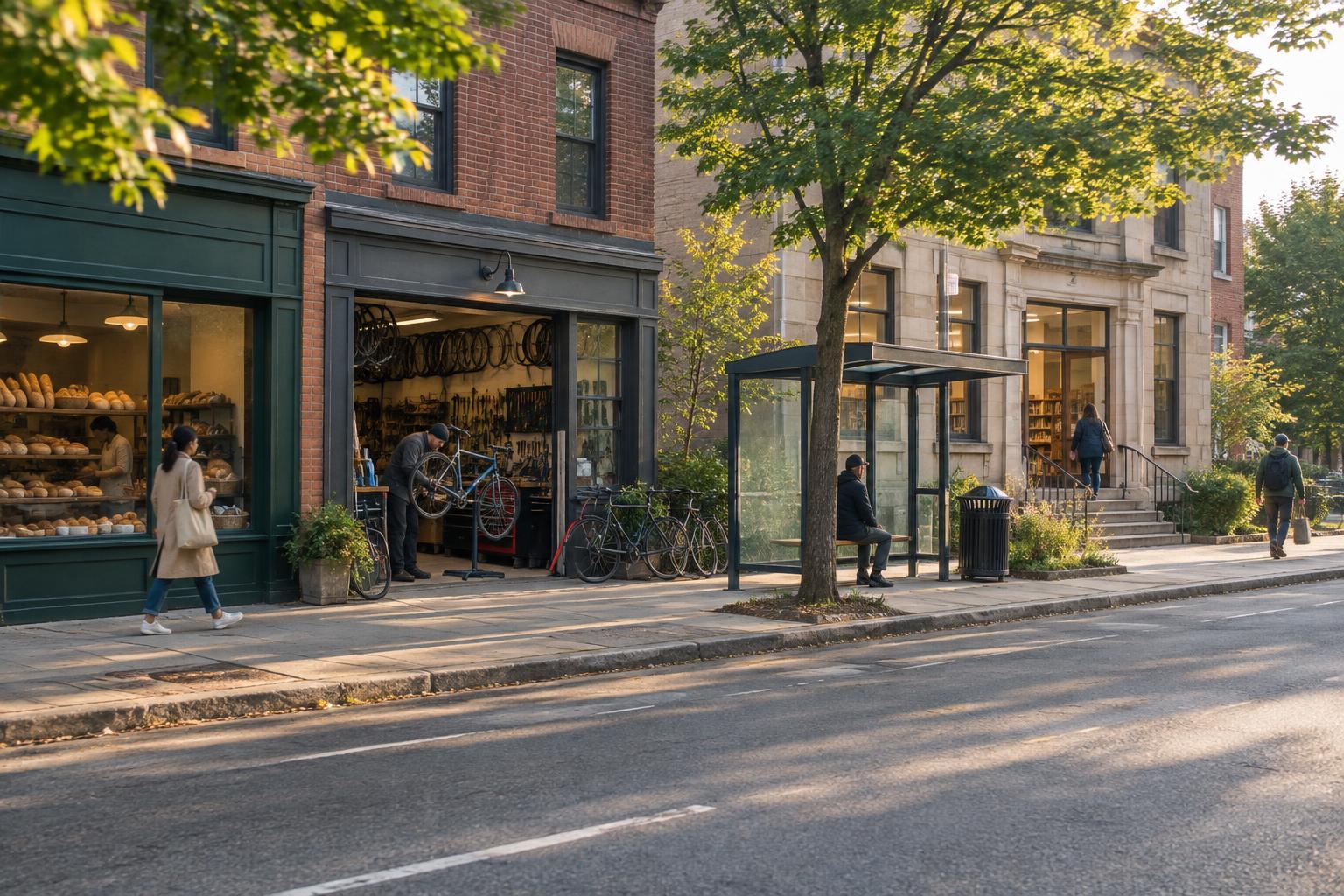
Look at the edges of each place as well as its entrance. A bench outside a shop, a noticeboard near a library or bicycle parking beside a station can show how a service connects to the street. These details are often more revealing than a storefront’s appearance. Visit at a comfortable walking pace, and remember that a quiet street at one hour may work differently at another.
Notice repair, reuse and adaptation
Repair businesses make a useful starting point for looking at local life. A tailor, key cutter or appliance repair shop serves a different purpose from a store selling something new. Its presence does not prove that a neighborhood is especially resourceful or affordable, but it does invite you to consider what kinds of upkeep are available nearby. The same is true of laundries, hardware shops and places that sell everyday household goods.
Buildings also adapt to changing needs. A former house may hold a clinic at street level; a modest storefront may combine several services behind one counter. Rather than guessing a building’s history from its facade, look for signs that explain its current use. If you enter a business, do so as a customer or with a genuine question at an appropriate moment. Staff are working, not waiting to give a visitor a tour.
Read public services alongside private ones
Shops are only part of the picture. Libraries, community centers, public toilets, playgrounds and transit stops can offer services without requiring a purchase. Their hours, entrances and posted information help you understand who can use them and how. A library noticeboard, for instance, may point to activities or assistance that would be invisible from the street, though a posted event is not evidence that everyone feels able to attend.
Pay attention to accessibility without turning a quick visit into a verdict. A step-free entrance, seating or information in more than one language may make a place easier for some people to use. Other barriers may be less visible to a passerby. You can describe the features you observe while leaving room for residents’ experiences that you cannot see.
Let observation lead to respectful travel
The aim is not to collect photographs of someone else’s routine. Photograph signs or buildings only where it is appropriate, and avoid framing people as examples of how a neighborhood lives. Keep doorways clear, respect spaces intended for customers or residents, and ask before making a close-up image of a working shop. If you buy something, choose it because you want it, not because you expect a conversation in return.
At the end of a walk, note a few specific things: an errand that seemed easy, a connection that seemed difficult and a service you had not thought to look for. Then separate those observations from your assumptions. This small habit makes a neighborhood more interesting without reducing it to a label such as “hidden” or “authentic.” Its everyday places deserve attention because they serve people first; any insight they offer a visitor comes second.