Start with the block, not the landmark
A famous building can tell you why visitors arrive in a neighborhood. An ordinary block can tell you something about how the neighborhood works. Look at the entrances, ground floors, windows, sidewalks, and places where people pause. Together, these details offer clues about whether a street is mainly a place to live, a place to shop or work, or a combination of the two.
These categories are a starting point, not fixed labels. A quiet-looking street may contain a workshop behind a plain door. A row of shops may have homes above it. Uses can also change from one end of a block to the other. As you walk, ask what the buildings make possible rather than trying to assign every street a perfect category.
Residential blocks: the patterns of daily life
On a residential block, most visible doors lead to homes. You might see porches, shared apartment entrances, small gardens, balconies, or windows set back from the sidewalk. Building sizes and setbacks can vary even along a short street. A repeated pattern may suggest that several buildings were planned together; a sudden change can hint at later construction or a different use of the land. Neither clue tells the whole story, but both give you something to investigate.
Notice the space between the front door and the public sidewalk. Steps, fences, trees, and courtyards can make that boundary feel open or private. This is also where a visitor should be most careful. Homes are not attractions, even when their details are appealing. Stay on public paths, avoid photographing people through windows or over fences, and keep noise down. The best observations often come from looking at the street as a whole rather than focusing on one household.
Commercial blocks: services behind the signs
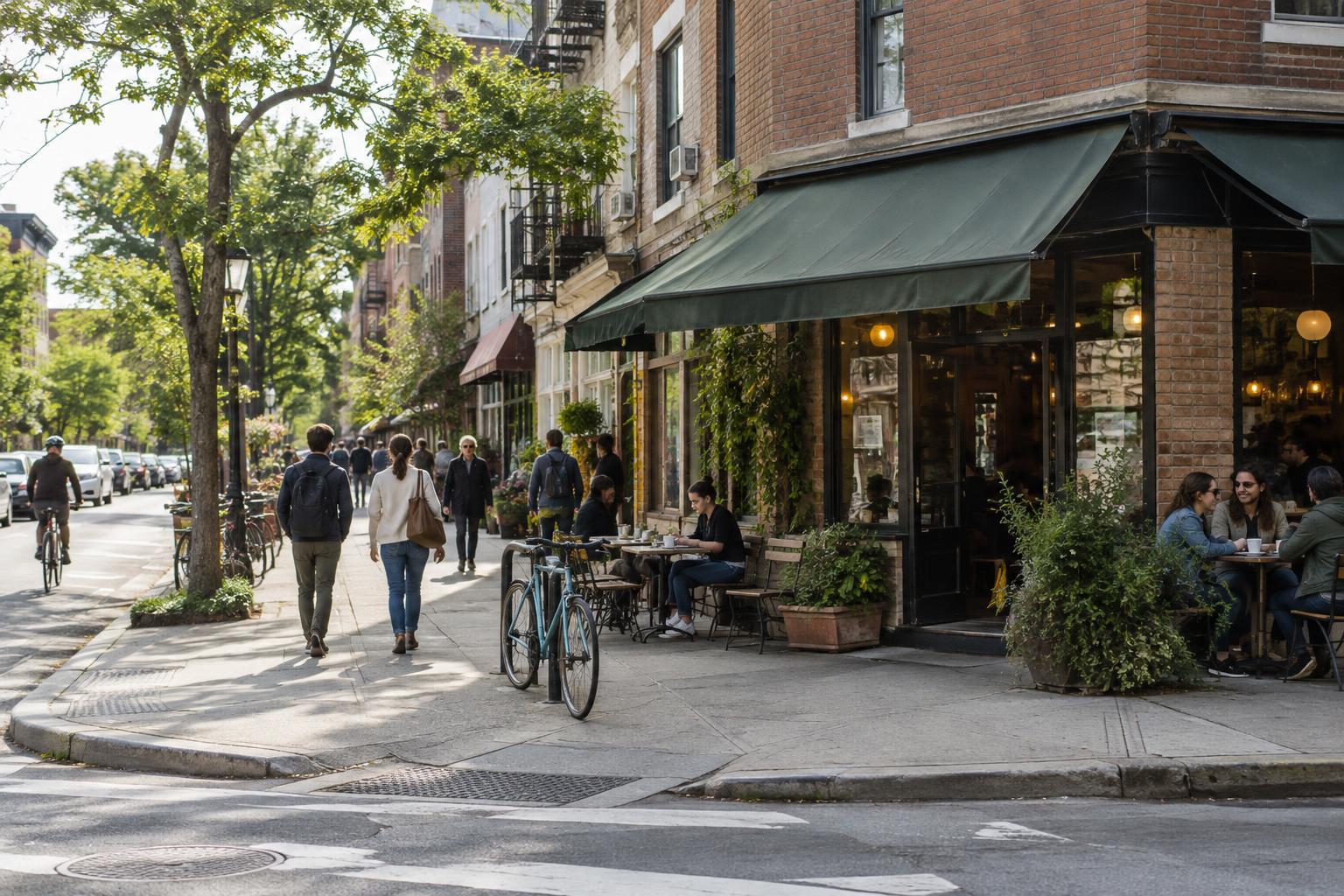
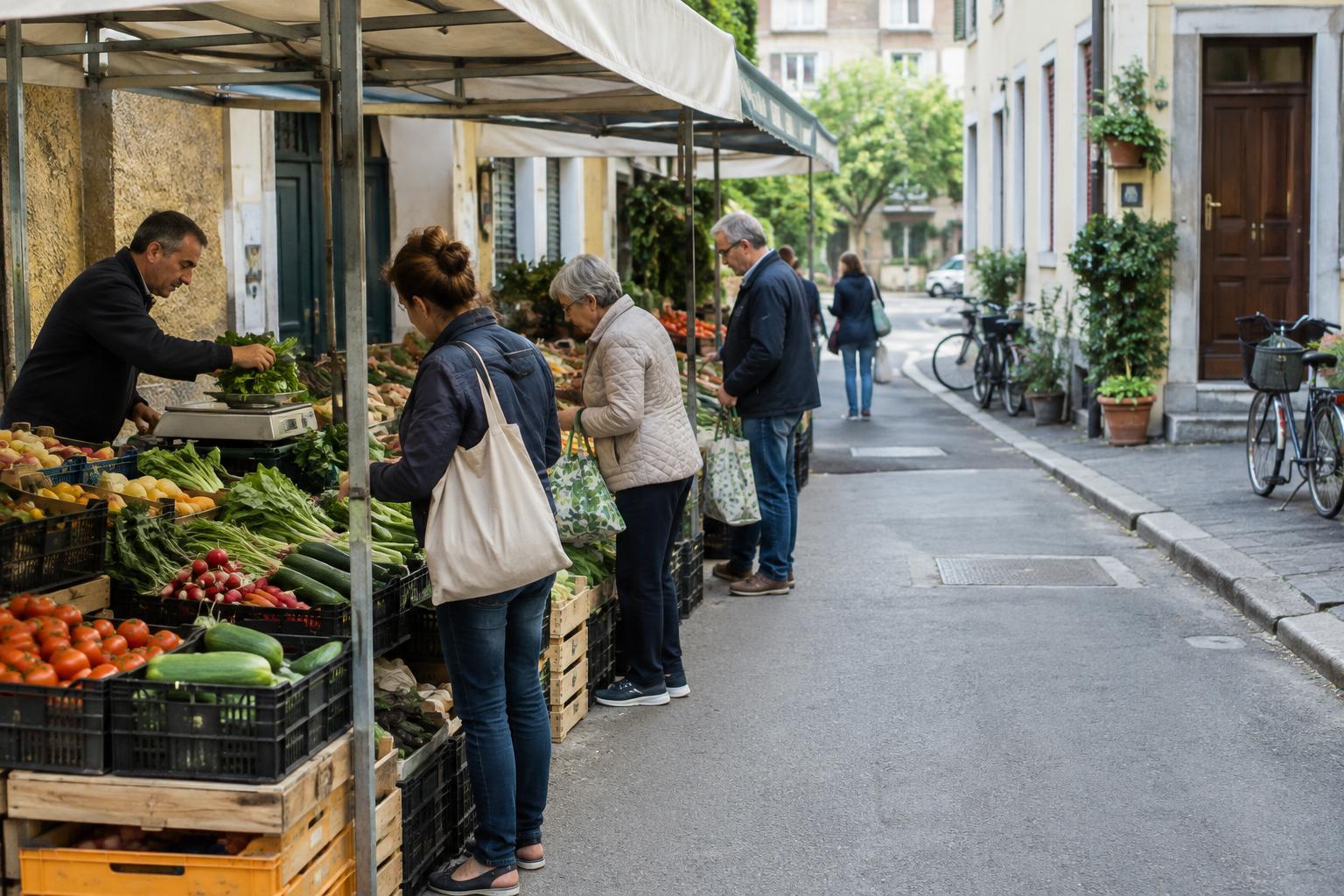
A commercial block gives much of its ground floor to customers, clients, or deliveries. Large windows, awnings, signs, wide doorways, and frequent entrances may make the street feel more active than a residential one. Look beyond the most eye-catching storefront. A tailor, repair shop, grocer, or neighborhood café may reveal the practical services people rely on nearby.
The sidewalk can tell you how a commercial block functions. Is there room to stop without blocking an entrance? Where do deliveries happen? Are some businesses designed for a quick errand while others invite people to linger? A closed shutter or quiet storefront is only a glimpse at one moment; it does not, by itself, explain how well a business is doing. If you enter a shop, treat it as a working place rather than a display: make space for customers and ask before taking close-up photographs.
Mixed-use blocks: where purposes overlap
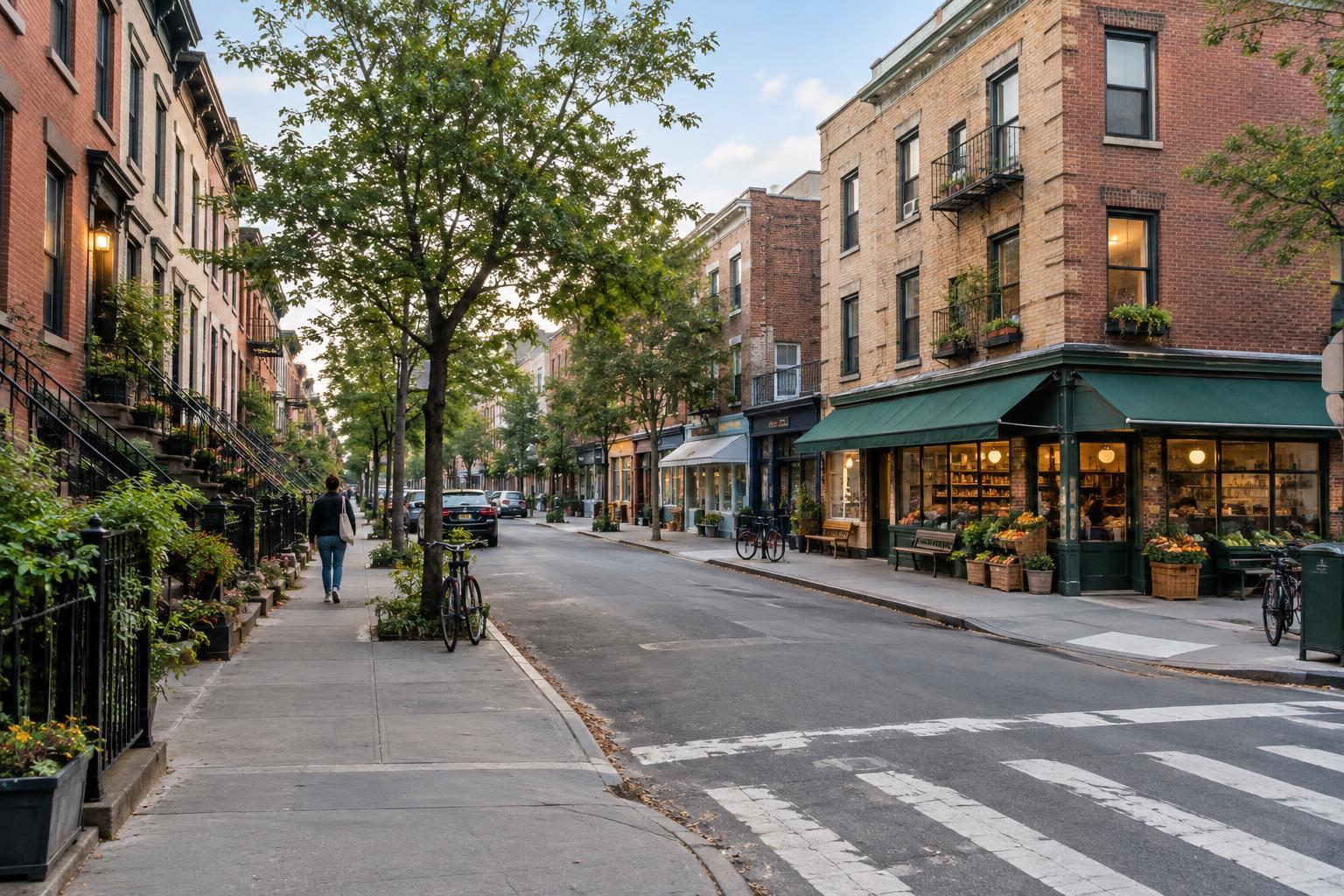
Mixed-use blocks combine activities, often with shops or workplaces at street level and homes or offices above. The arrangement can be easy to spot: a shop window beside a separate, narrower entrance may lead to upper floors. Elsewhere, a small business may sit next to an apartment building, with no single building doing everything. Both patterns bring different routines onto the same stretch of street.
Watch how the block changes as you move along it. A corner shop may face a busier road while nearby doorways lead to quieter homes. Entrances, lighting, and seating can help people share limited space, though they can also create points of friction. A visitor cannot tell from appearances alone whether that balance works well for residents. Use what you see to form better questions, not confident conclusions about how people live.
Try a short, respectful block walk
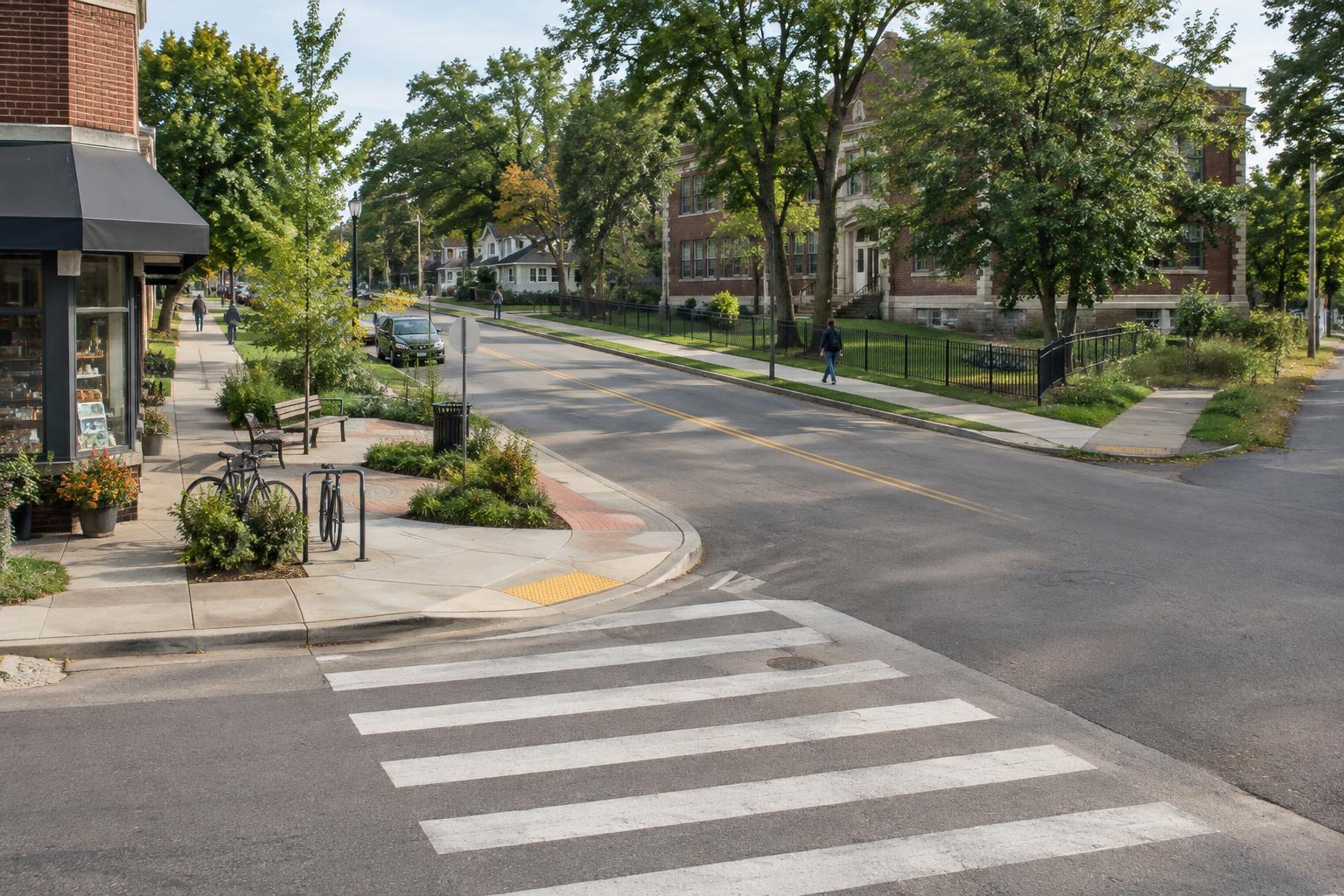
Choose a walk that crosses a few side streets rather than following only the main shopping road. At each corner, look down the next block before turning. Note the ground-floor uses, the number and placement of entrances, the width of the sidewalk, and any change in building height. Then compare two nearby streets. What feels different, and which visible details might explain that difference?
Leave room for surprises. A block may look residential until you notice a public library or a small museum tucked into a former house. A commercial street may become quiet just past a major intersection. These transitions are part of what makes lesser-known neighborhoods worth exploring. Follow public access rules, give people space, and remember that an interesting street is also someone else’s everyday route home.