Start with the experience you want
Choosing between a self-guided walk and a guided tour is less about which is the better way to travel than about what you hope to notice. An independent walk gives you control over the route and time to follow a question: Why do these shopfronts have such narrow entrances? Where does the old street pattern change? A guided tour can help you understand details you might otherwise pass without recognizing, especially when the story of a place is not visible from the pavement.
Before choosing, name one or two priorities. Perhaps you want a quiet hour to look at everyday architecture, or perhaps you want an introduction to a neighborhood’s history. Also consider how comfortable you are navigating, how much time you have and whether you enjoy learning in a group. The best format is the one that helps you pay attention, rather than simply cover ground.
When a self-guided walk makes sense
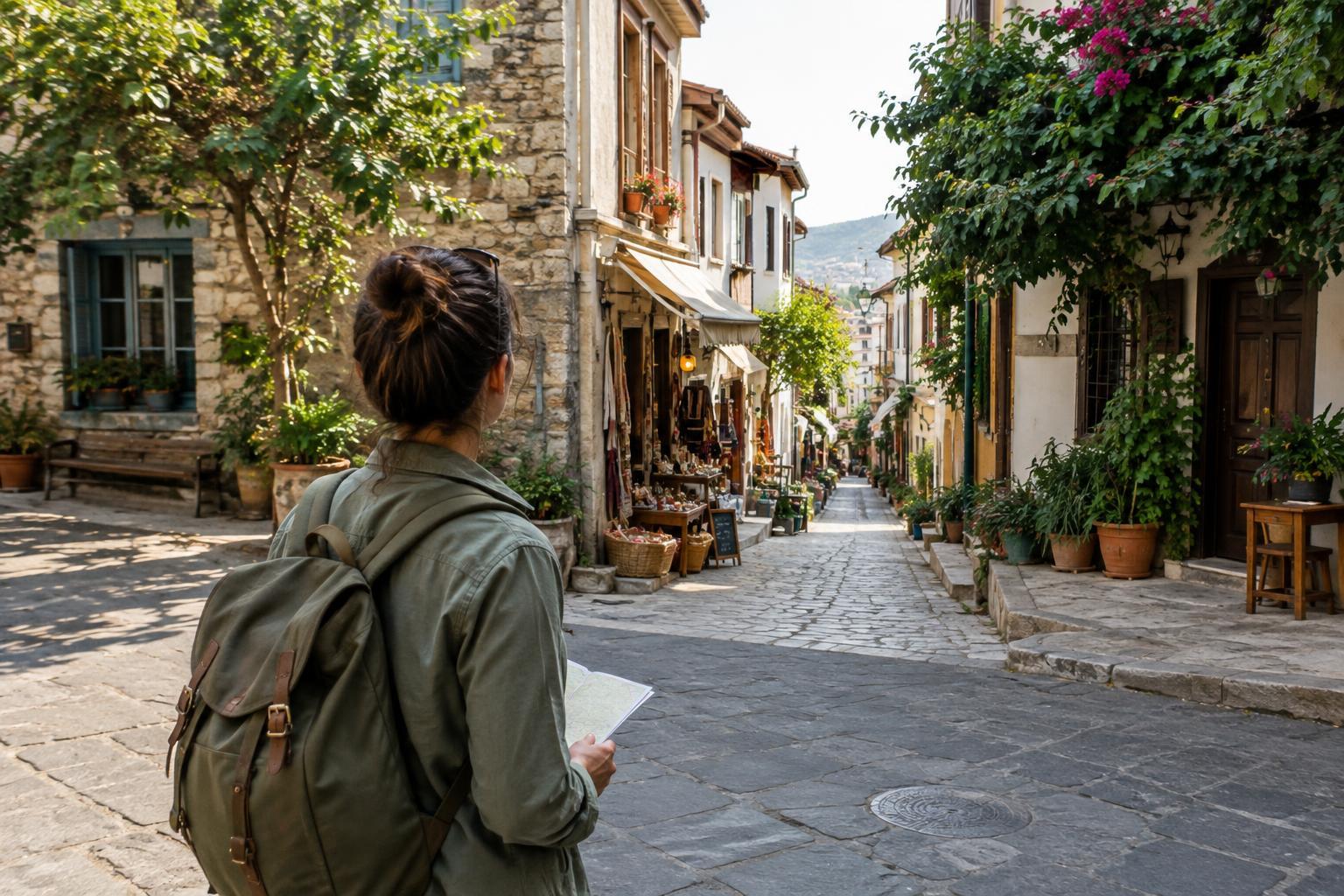
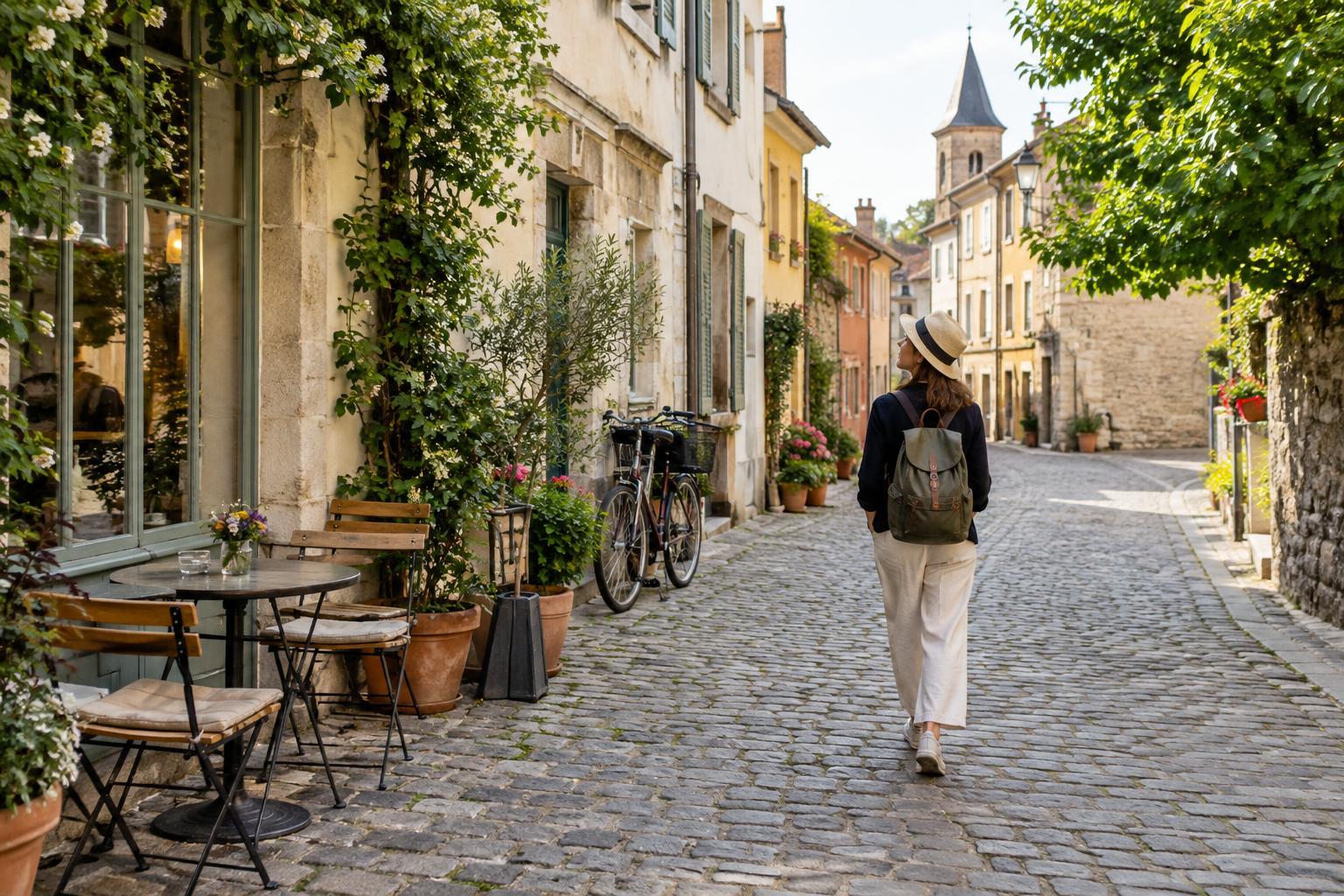
Walk independently when flexibility matters. You can pause at a public garden, return to a small museum you noticed earlier or take a break without holding up anyone else. It can suit travelers who prefer a slower pace, have interests too specific for a general tour or want to make several short visits instead of one long outing. It can also be easier to adjust a route around opening hours, weather and your own energy.
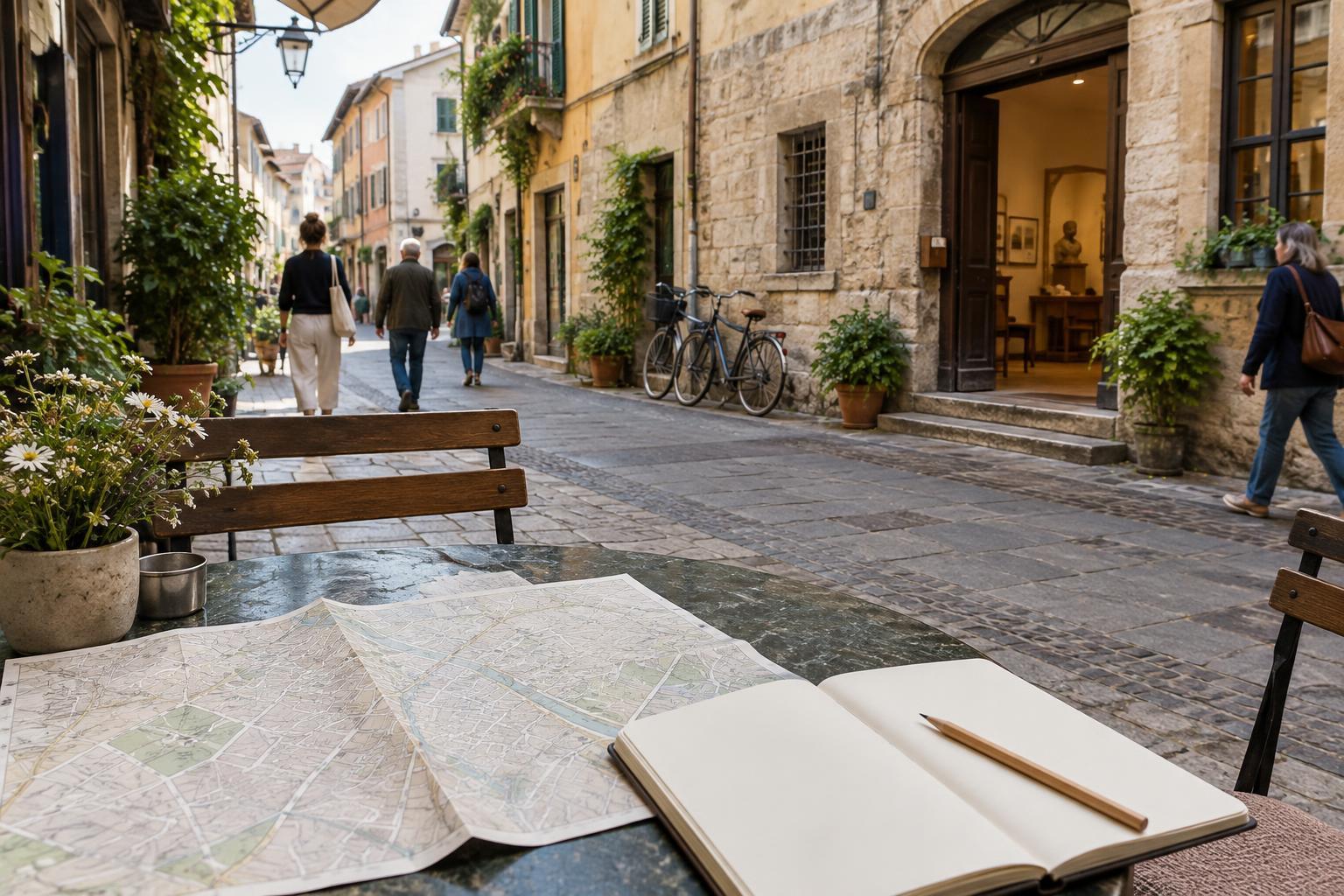
A little preparation makes wandering more useful. Choose a manageable area, mark a few public stops and learn enough about the neighborhood to avoid treating it as a collection of photogenic surfaces. Look for information from local museums, cultural organizations or visitor resources when available. Keep your route adaptable: a building may be closed, a street may be busy, or a promising lane may turn out to be private. Let what you see prompt questions, but resist filling gaps with confident guesses about the people who live there.
What a guide can add
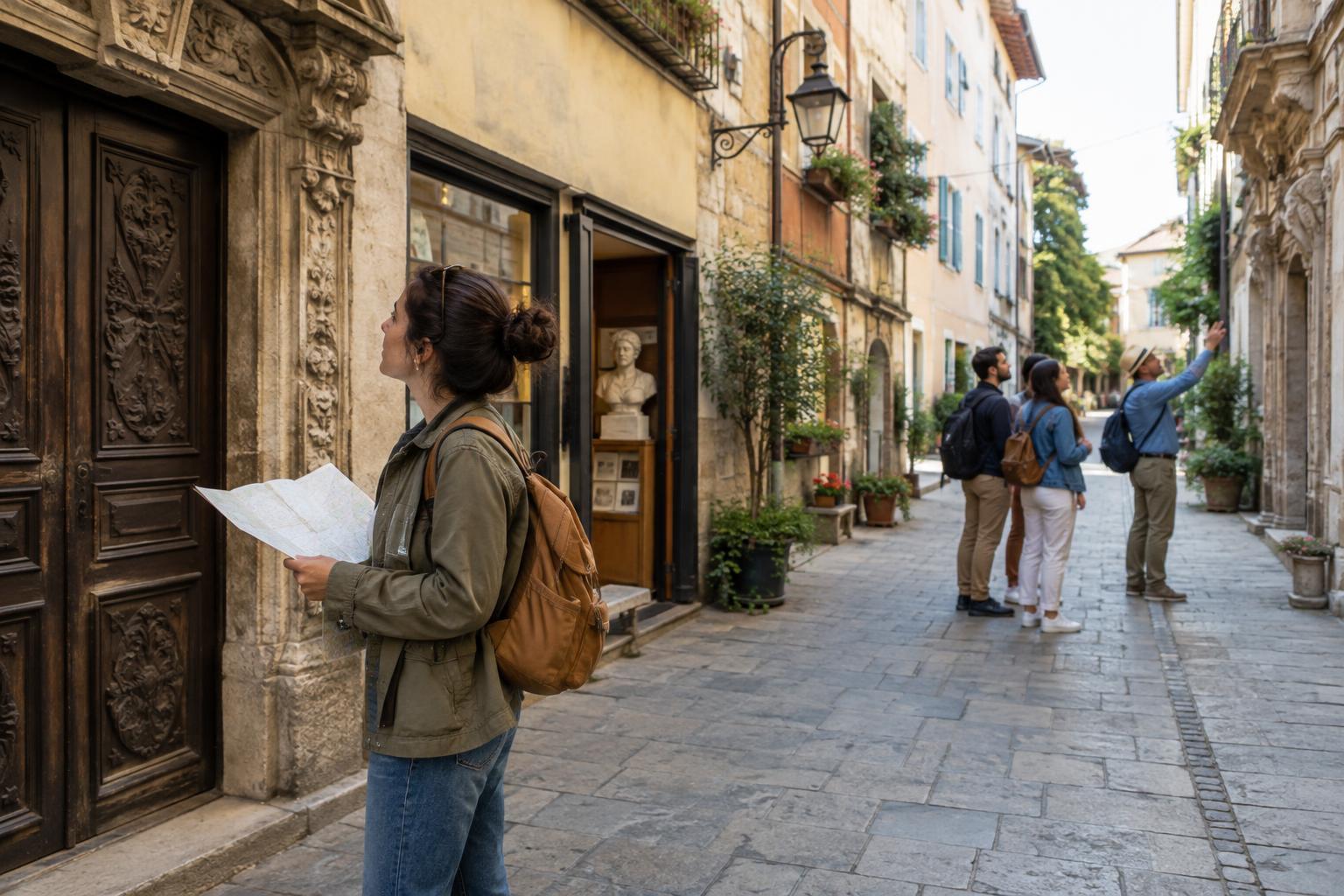
A thoughtful guide can connect places to the decisions, work and communities that shaped them. They may explain why an ordinary-looking building matters or help you distinguish a surviving feature from a later addition. Guided walks also offer a chance to ask questions and hear how someone else interprets a place. That can be especially valuable when a neighborhood’s heritage is contested, changing or easy for a visitor to oversimplify.
Tours vary, so read the description rather than relying on the label. Check the route length, group size, accessibility information, meeting point and whether the walk enters any buildings. Look for a clear account of the guide’s connection to the subject and for a focus that matches your interests. A tour is not automatically more authoritative because it is guided, and one guide cannot speak for everyone in a community. Treat what you hear as a starting point for curiosity, not the final word.
Compare the practical trade-offs
An independent walk may cost little, but planning takes time and you will need to navigate for yourself. A guided tour usually has a set price and schedule in exchange for preparation, interpretation and a defined route. If a tour’s cost is a stretch, check whether a museum or cultural center offers a shorter walk or a route you can follow on your own. If you do book, allow enough time to reach the meeting point without rushing through the area.
Think beyond price. Consider whether you need step-free routes or regular places to sit, whether you are comfortable walking in a group, and whether you want to stop often for notes or photographs. Ask about accessibility needs in advance when details are unclear. For an independent walk, plan breaks and an easy way back. In either format, a shorter route you can enjoy is often more rewarding than an ambitious one you spend trying to finish.
Make room for respect and discovery
Both approaches work best when you remember that a neighborhood is not an exhibit. Stay on public paths unless invited elsewhere, keep entrances clear and be considerate when photographing homes, workplaces or people. A guide’s presence does not make every space open to a group, just as independent travel does not grant permission to explore behind an intriguing doorway. Follow local signs and take particular care around places used for worship or remembrance.
You do not have to choose one format for an entire trip. Try a guided introduction, then return alone to explore a street that caught your attention. Or walk independently first and take a focused tour when you realize how much you do not yet understand. Leave some time unplanned. Whether someone leads the way or you set your own course, a curious walk is often defined by the questions you carry away.