Overlooked by whom?
Calling a neighborhood a “hidden gem” can make it sound as though nobody knows it exists. That is rarely a useful starting point. Residents know where they buy bread, catch the bus, meet friends and take the long way home. A place may be overlooked by visitors, guidebooks or people elsewhere in the same city while remaining central to the lives of those who use it every day.
Before applying the label, ask whose view you are describing. Is the area absent from a typical visitor itinerary? Is it overshadowed by a nearby landmark? Does it have a reputation that reduces it to one feature, even though its streets offer a more varied picture? These questions are more precise than calling a place undiscovered. They also leave room for the possibility that a neighborhood is well loved locally and simply less visible to outsiders.
How attention gets concentrated
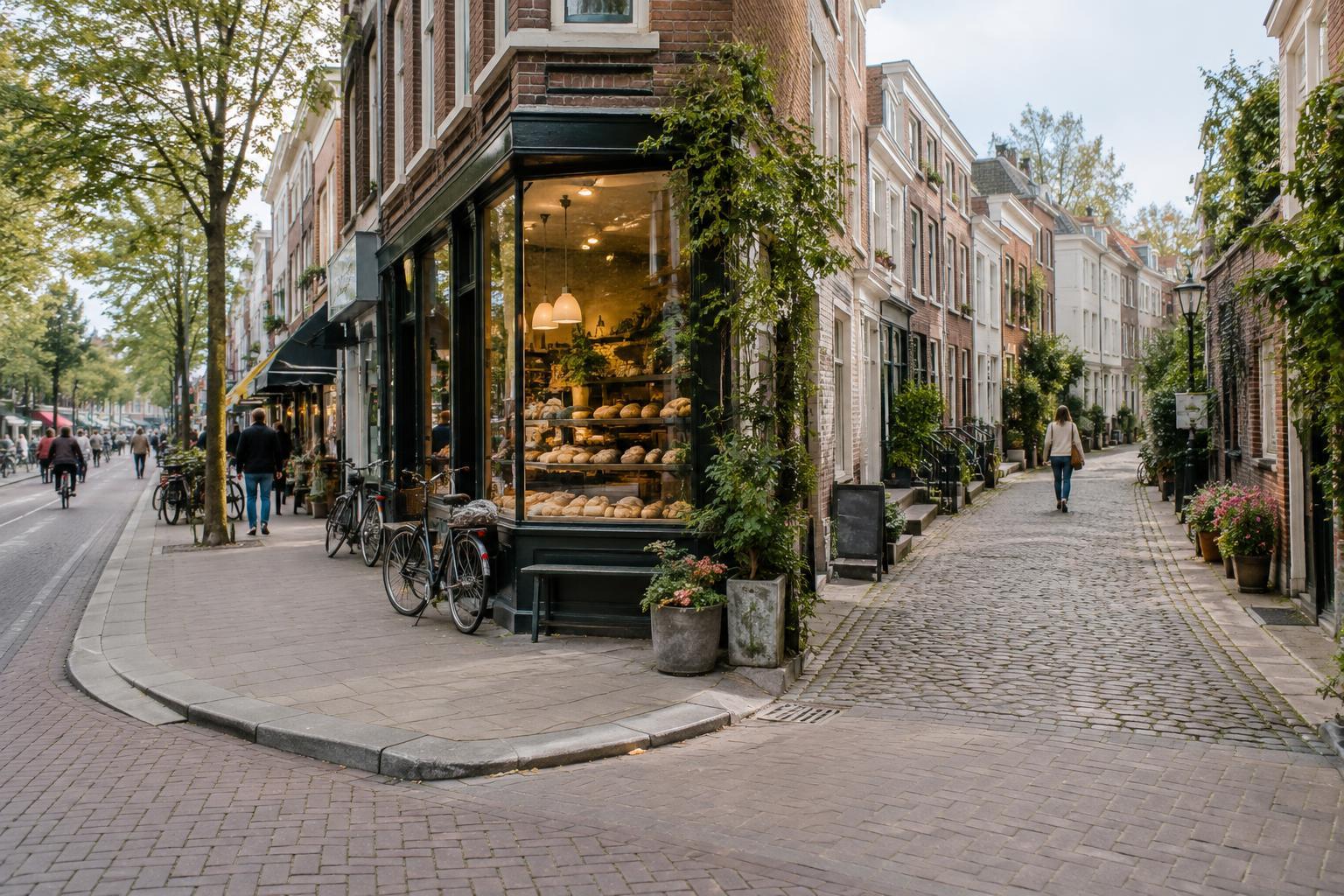
Travel attention tends to gather around places that are easy to name, photograph and fit into a short visit. A famous market, a preserved old town or a major museum gives someone a clear destination. An adjacent neighborhood of repair shops, apartment blocks and modest public spaces may be harder to summarize. Its interest might lie in how those places relate to one another, rather than in a single stop.
Convenience shapes attention too. A route between major sights can feel like a corridor, with little reason to turn onto a side street. Maps and short descriptions often reinforce that habit by emphasizing named attractions over ordinary surroundings. None of this means the quieter streets are automatically more authentic or more interesting. It means that the way a trip is organized can leave some parts of a city outside the visitor’s frame.
Look for relationships, not a checklist of gems
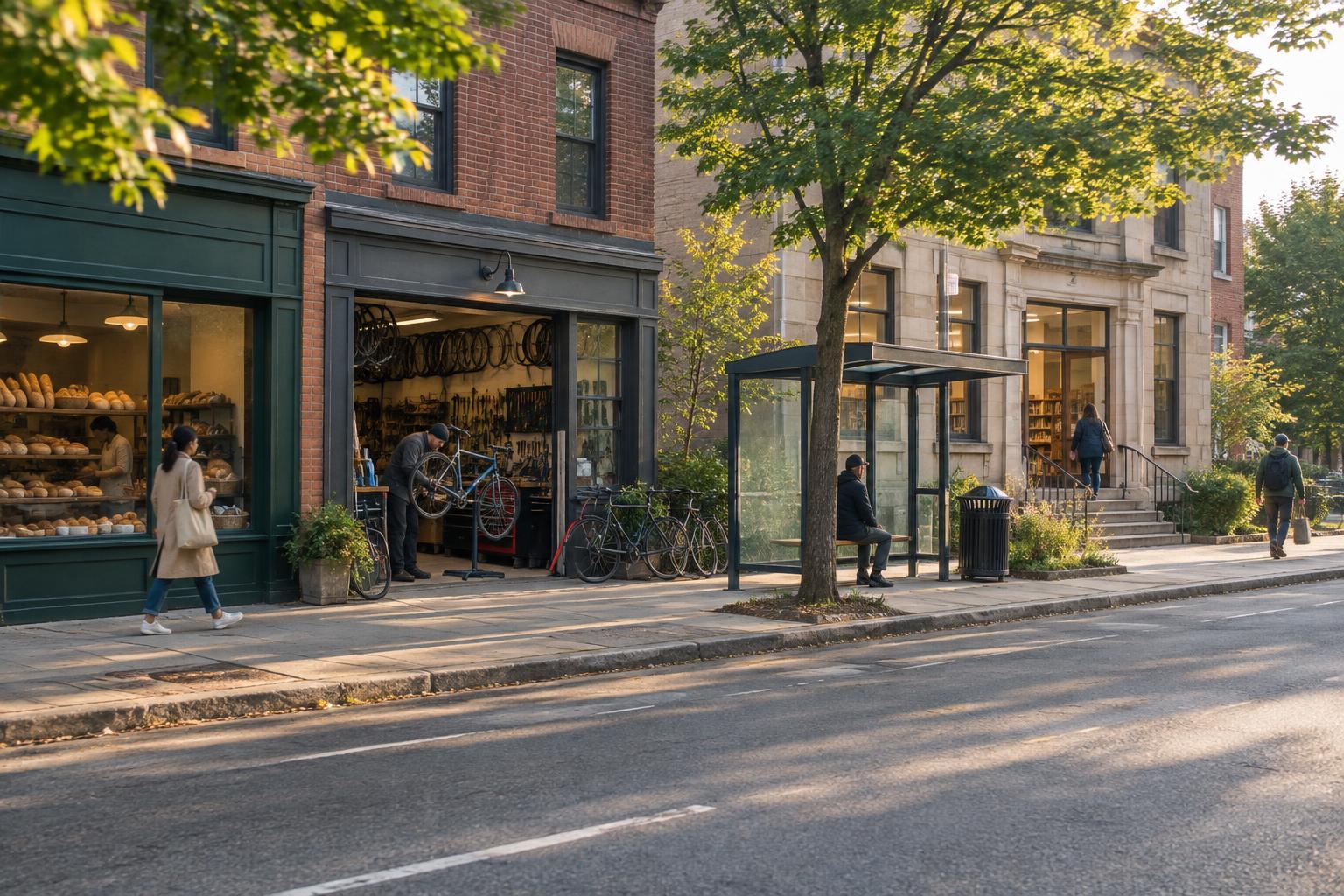
A useful way to explore an unfamiliar area is to notice how its pieces fit together. Where do people wait, cross, rest or gather? How do older buildings meet newer ones? Does a small public space serve several purposes at different times of day? A library entrance, a row of workshops or a courtyard visible from the street can tell you about how a neighborhood functions without needing to be presented as a must-see attraction.
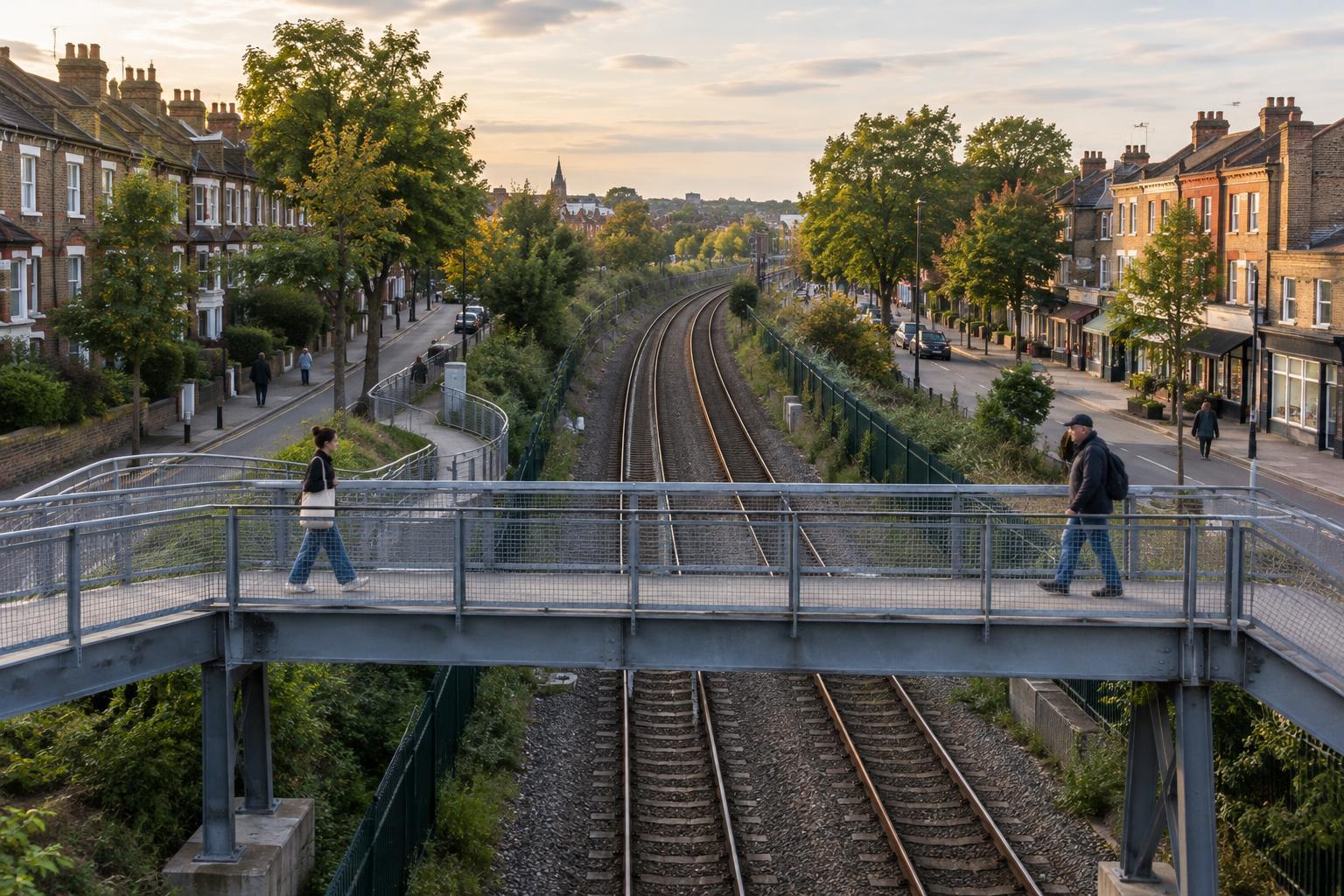
Pay attention to transitions as well as destinations. A wide road may separate two areas that feel close on a map. A change in building height, storefront size or street noise can suggest a different pattern of use. These observations are openings for better questions, not proof of a neighborhood’s history. If you want to understand why something looks the way it does, seek out locally produced interpretation where available, and stay comfortable with what you cannot confirm from a walk.
Visit without treating daily life as an exhibit
Curiosity works best when paired with ordinary courtesy. Keep entrances clear, observe signs about public access and avoid photographing people, homes or private interiors as though they were scenery. A busy shop is a place of work, not an invitation to linger without purpose. If you enter, be prepared to buy something or follow the cues offered by staff.
It also helps to plan a visit around public spaces and businesses that welcome visitors rather than searching for supposedly secret residential corners. Walk at a pace that lets other people go about their day. If an area feels quiet, resist the urge to interpret that quiet as an atmosphere arranged for you. The point is not to become invisible, but to remember that being a guest does not make you the center of the scene.
Use better words when you share what you find
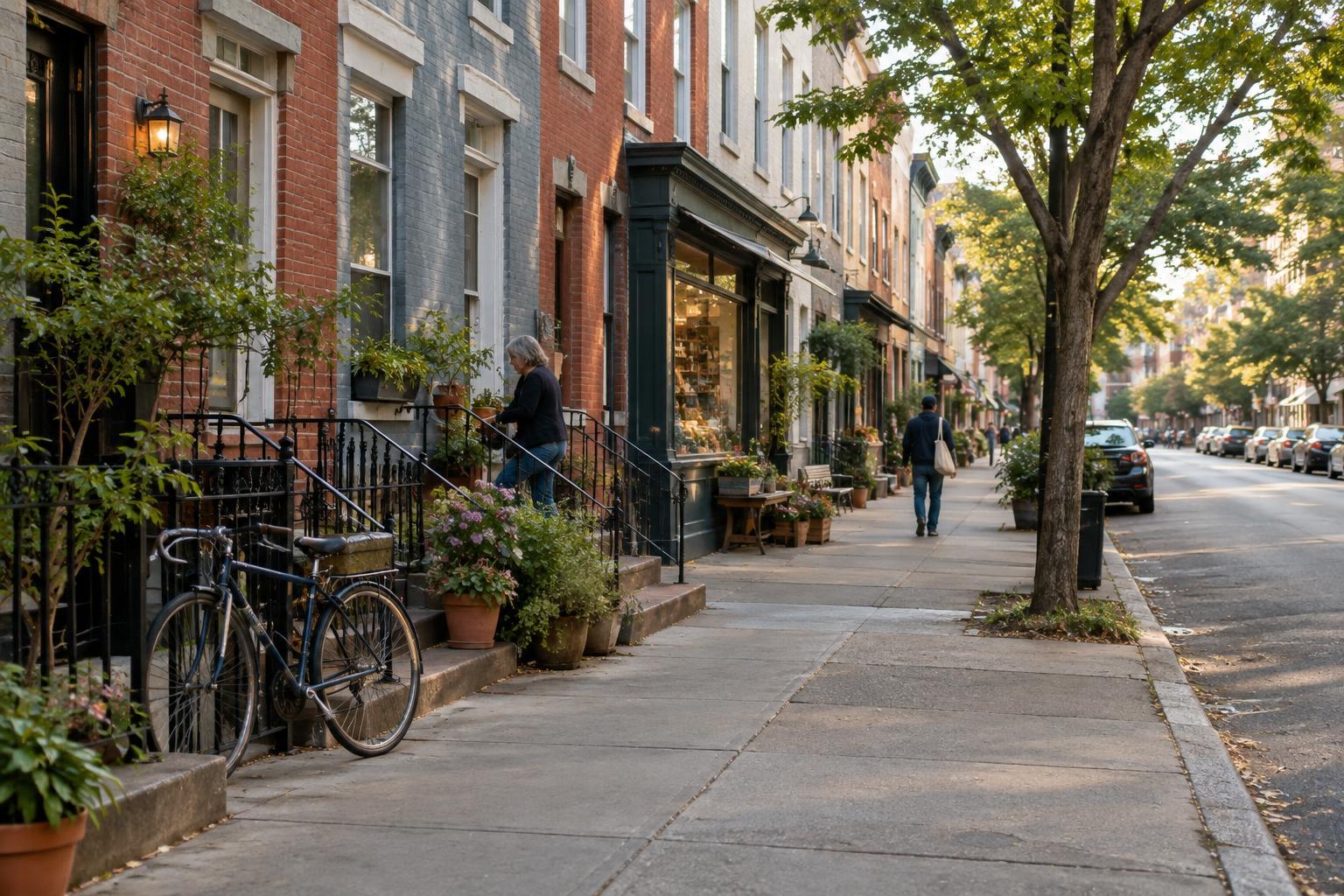
The words used to describe a neighborhood can shape what future visitors expect from it. “Undiscovered” erases the people already there; “untouched” suggests that change and daily use are flaws. More useful descriptions say what caught your attention and acknowledge the limits of your view: a pleasant walk between two transit stops, a small museum with a focused collection, or a street where different building types sit side by side.
An overlooked neighborhood does not need a dramatic reveal. Its value may be that it encourages a slower, more attentive way of moving through a city. Share practical information when it is appropriate, give context rather than promising a secret, and leave room for residents to understand their home differently. The most rewarding shift is not finding a place nobody knows. It is learning to notice what a conventional itinerary has taught you to pass by.