Size is only part of the story
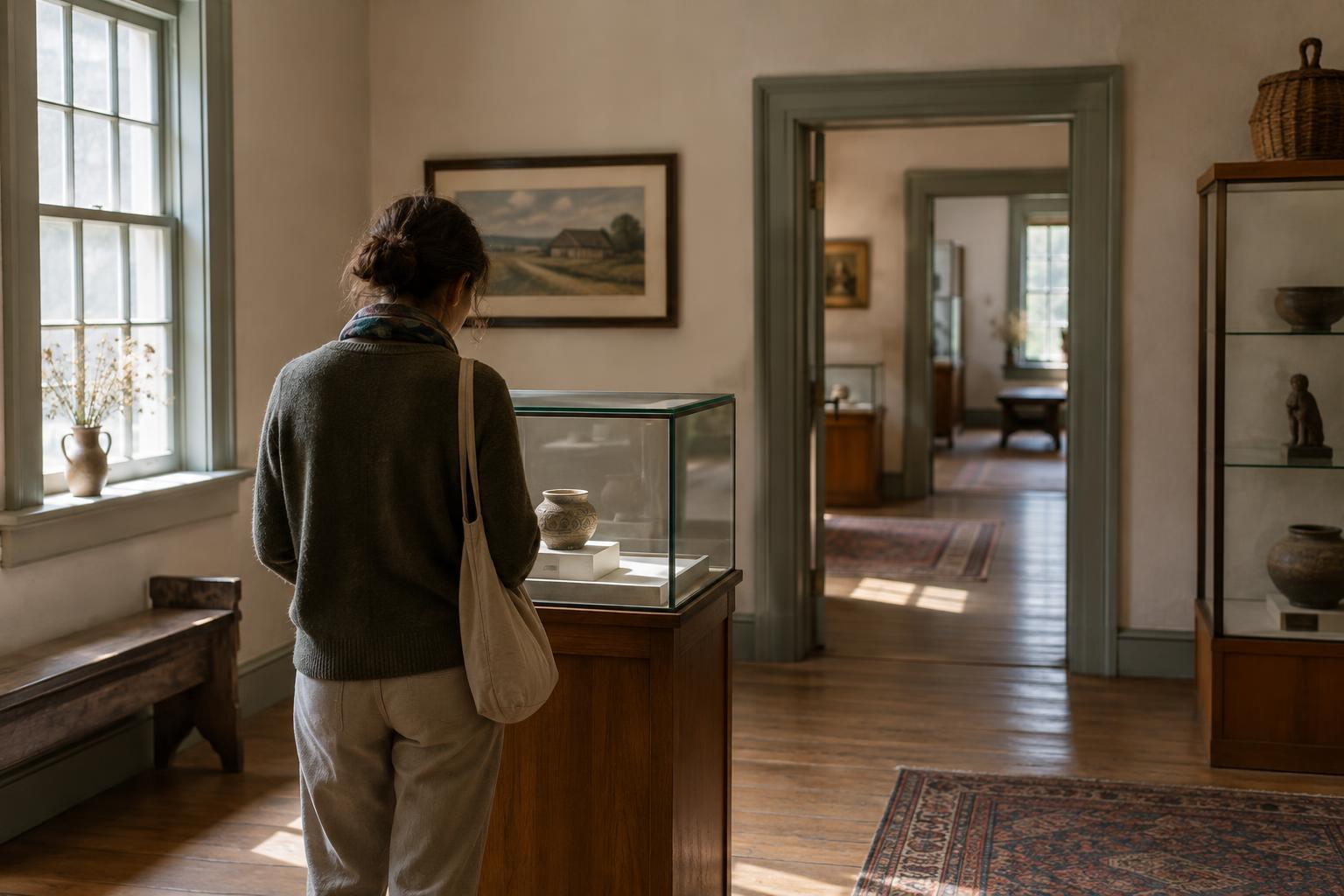
A small museum might occupy one room in a community building, several rooms in a former home, or a compact purpose-built space. There is no single visitor count, floor area, or number of objects that settles the label. “Small” often describes the scale of its staff, budget, facilities, or reach as much as the size of its galleries.
What matters more is the museum’s purpose. A small museum usually gathers, cares for, studies, or presents material so that people can learn from it. That material might be artwork, tools, photographs, natural specimens, documents, or recorded memories. Some museums hold permanent collections; others rely on loans or focus on temporary displays. The shared aim is to give objects, stories, and visitors a thoughtful setting.
Collections carry responsibilities
A collection is more than an assortment of interesting things. Each item benefits from a record of what it is, where it came from, and why it belongs. Even a simple catalog can help a museum find objects, plan displays, answer questions, and notice gaps in what it knows. Good care also means considering storage, handling, light, and environmental conditions appropriate to the material.
Small museums may have limited space or depend on volunteers, so not every object can be on view. A closed cabinet or off-site store is not necessarily a sign of neglect; display can expose fragile material to wear or light. When visiting, look for labels that distinguish known facts from uncertain details. A museum that acknowledges missing information gives visitors a more useful account than one that presents every story as complete.
Exhibitions turn material into questions
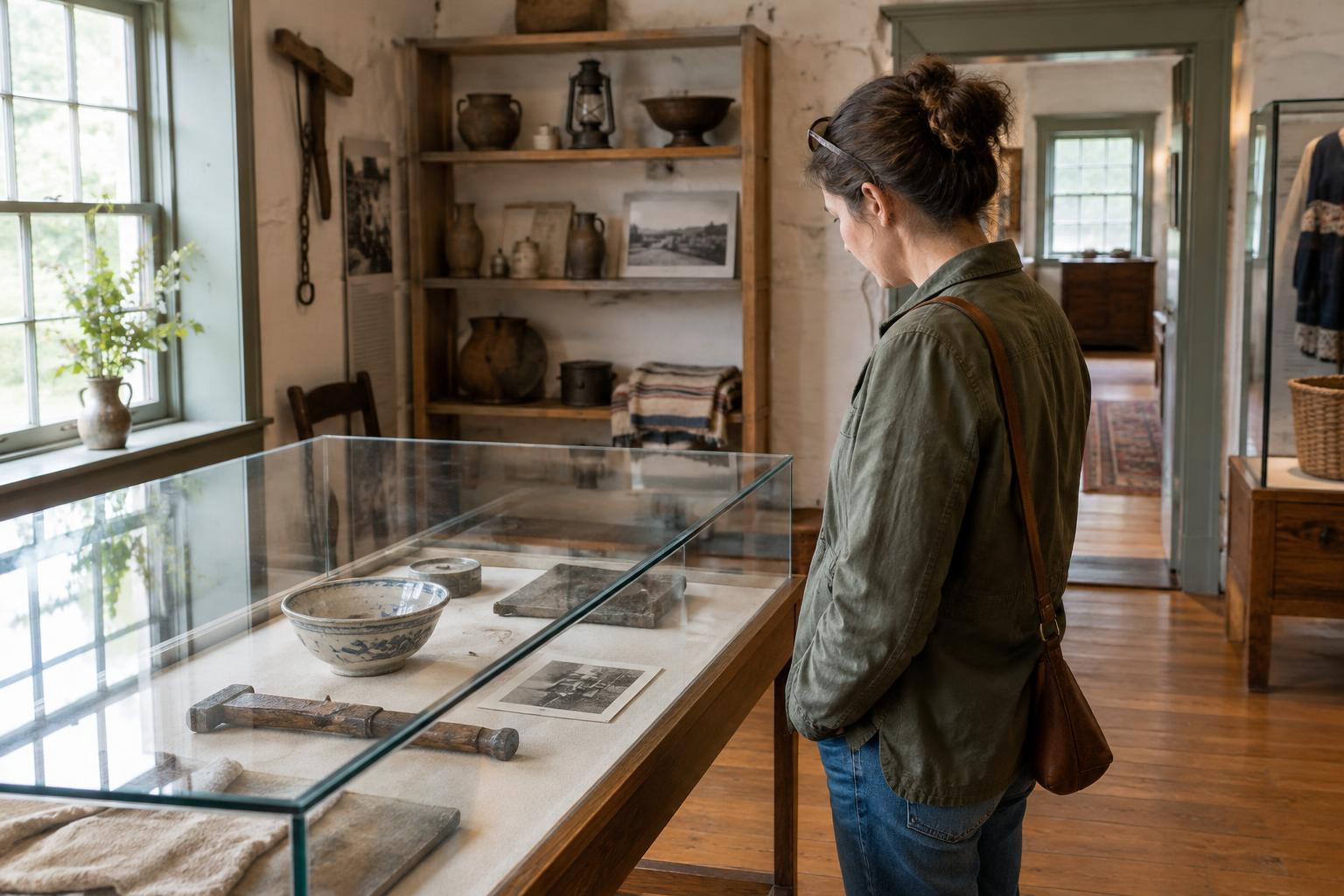
An exhibition does not need many objects to make a strong point. A few carefully chosen items can show how a neighborhood changed, how a craft was practiced, or how one object served different people over time. Labels, maps, photographs, audio, and the arrangement of a room help visitors connect what they see to a larger question.
The choices behind a display are worth noticing. Whose perspective does it include? What everyday work or experience sits beside the celebrated names? A small museum may be especially well placed to explore a narrow subject in depth, but it may also reflect the limits of what was collected or donated. Asking a staff member or volunteer how an exhibition was assembled can reveal useful context without treating the display as the final word.
Public access can take different forms
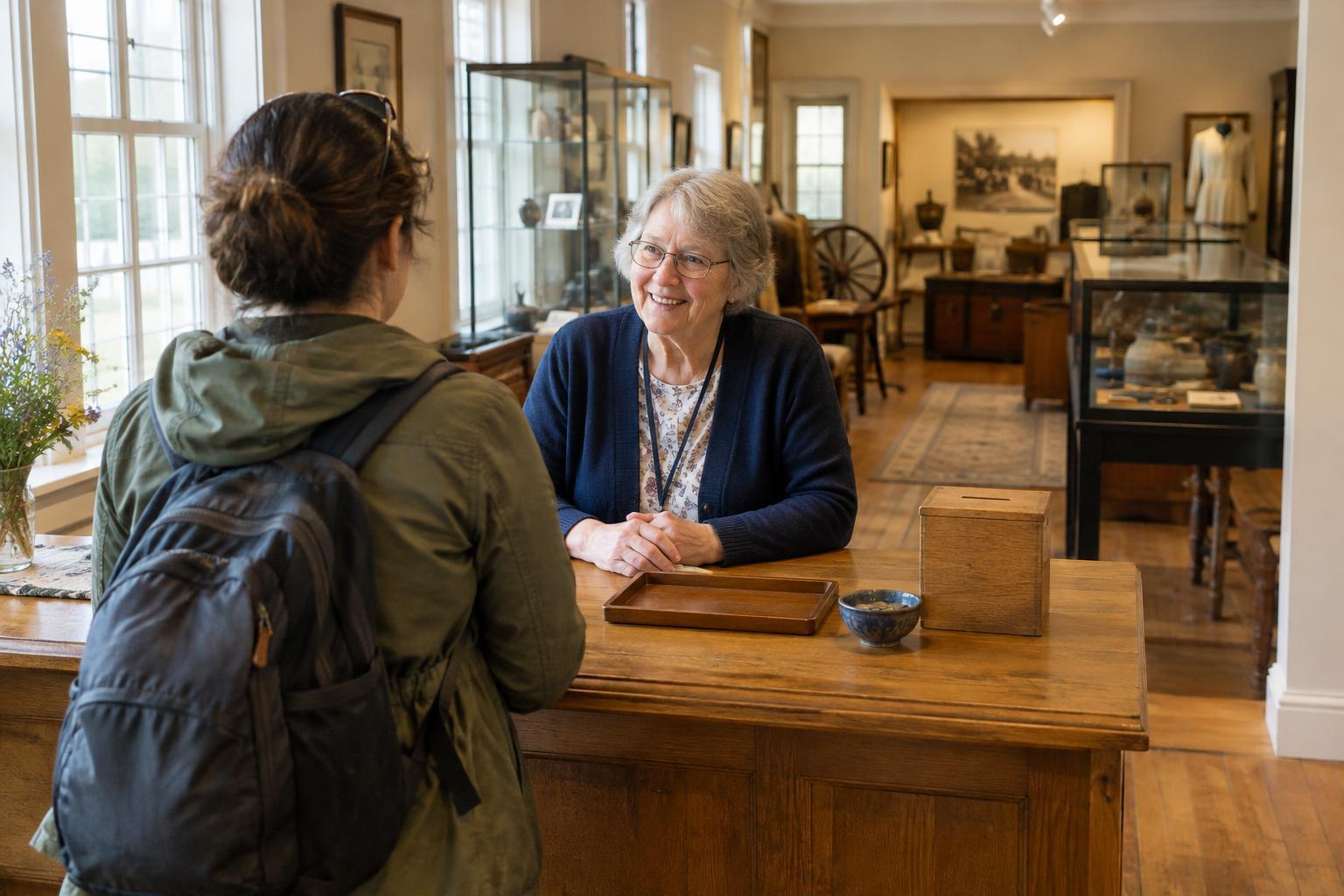
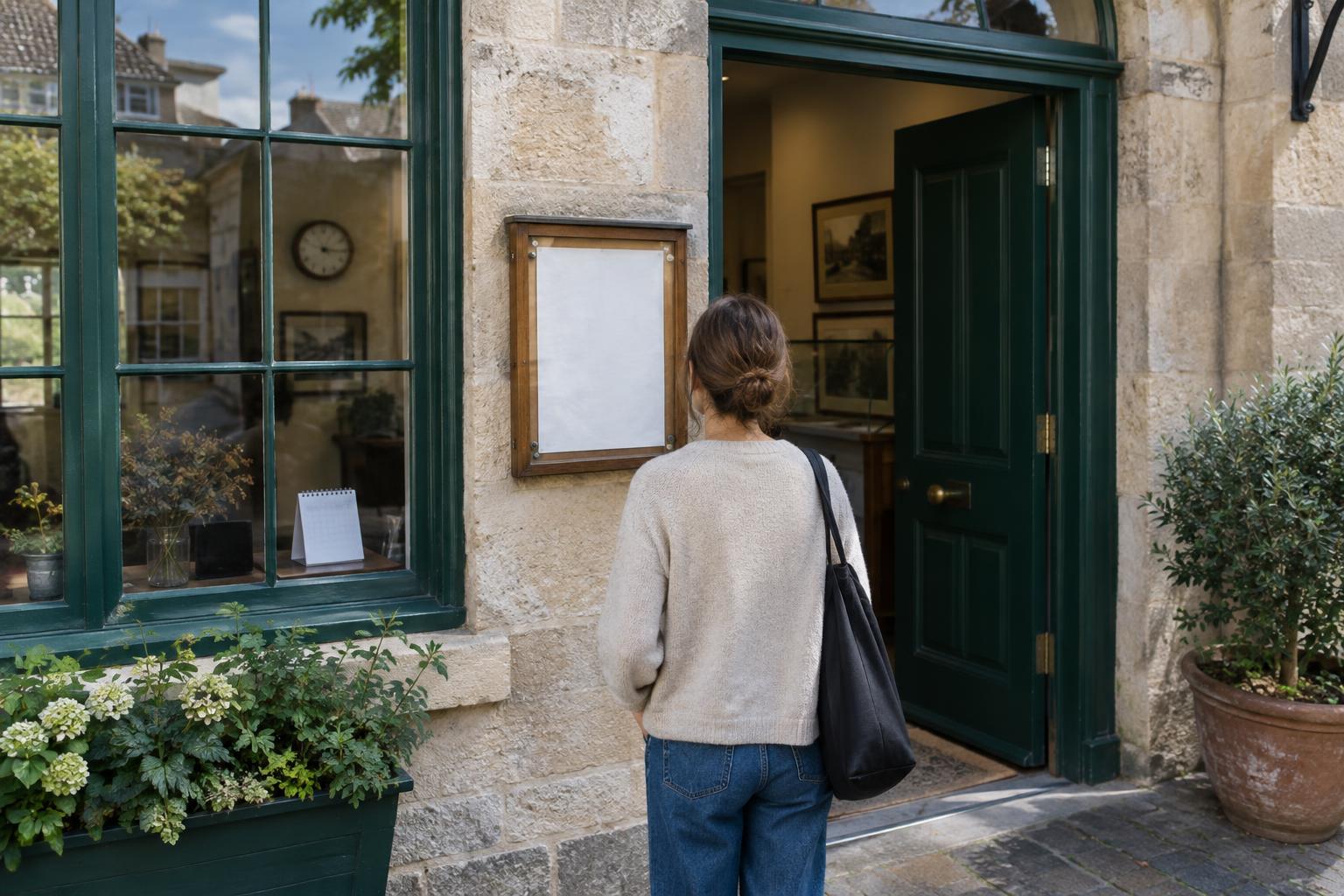
A museum is meant to share knowledge with a public, but access is not simply a matter of keeping a door unlocked. Opening hours, admission costs, clear directions, readable labels, seating, and information about physical access all affect who can take part. Small organizations may offer limited hours or visits by appointment. Checking ahead can prevent a wasted trip and help you understand what the site can accommodate.
Access can also extend beyond a gallery. A museum might lend materials for study, host a local discussion, answer research questions, or share parts of a collection online. These options do not replace the experience of seeing an object in person, and they may not be available everywhere. They do show that a museum’s public role can be broader than its exhibition space.
How to make a small-museum visit count
Start with the museum’s stated focus rather than expecting a miniature version of a large institution. Allow time to read a few labels closely, then follow one object or theme through the display. Notice how the building itself shapes the visit: a former workplace, home, or civic room can offer context, though its original use should not be assumed without evidence.
Respectful curiosity helps. Ask before photographing objects or entering spaces that appear closed, and remember that a person at the desk may be balancing several jobs. If you have a question, make it specific: why is this object here, or what is known about its maker? A small museum may not answer everything. Its value often lies in making a particular place or subject easier to notice, while leaving room for further questions.