A small museum can tell a big local story
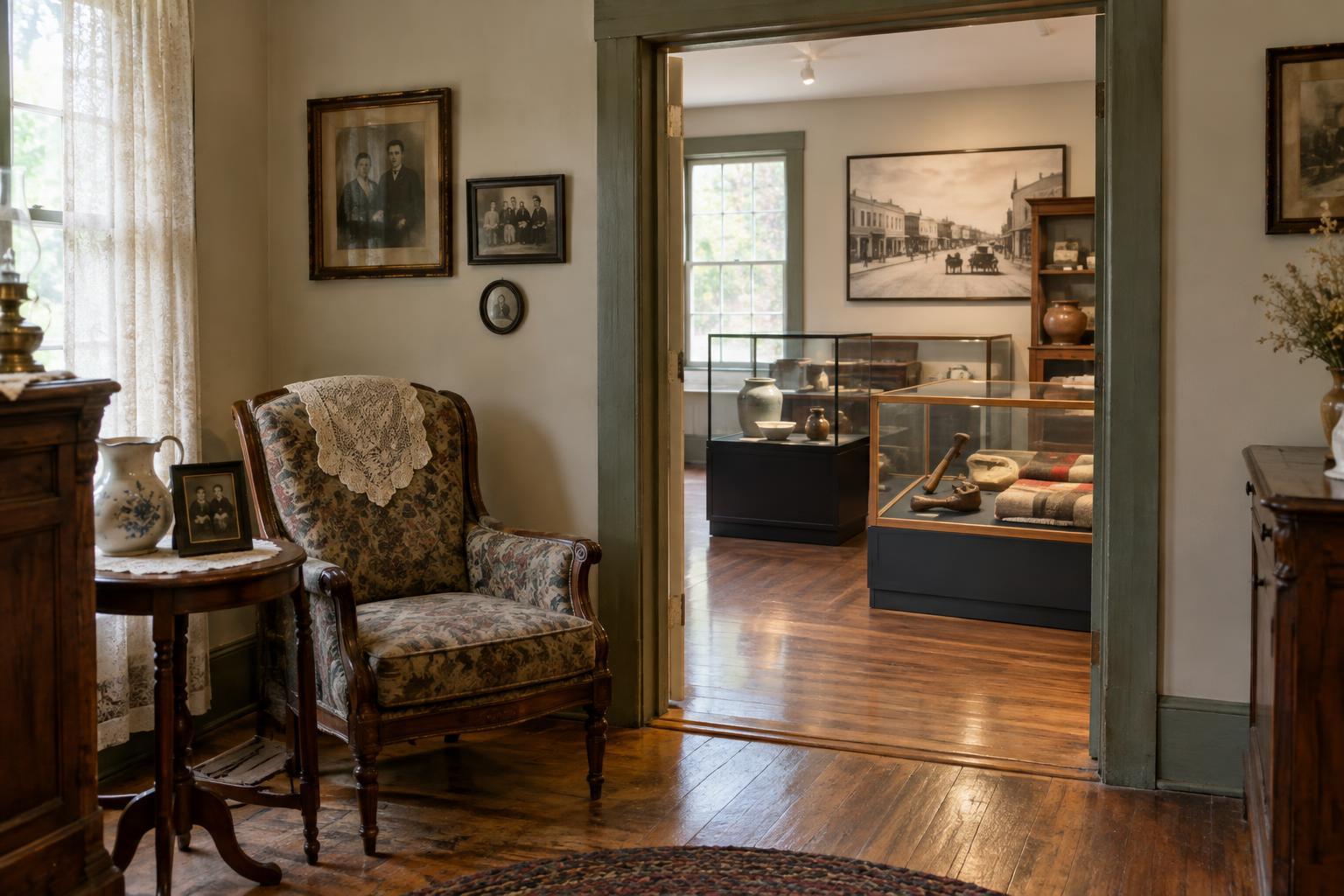
A volunteer-run museum might occupy a former schoolroom, a community hall or a few rooms beside a local landmark. Its collection may focus on one trade, neighborhood, family of buildings or period of community life. Rather than trying to tell a complete history, it may preserve particular objects and memories that residents have chosen to keep close. That narrow focus is often the reason to visit: it gives you a way to notice details you might otherwise walk past.
Expect the experience to vary from place to place. Some museums have carefully labeled galleries and regular tours; others rely on handwritten notes, donated photographs and a person at the desk who knows the collection well. Neither format guarantees a better visit. A modest display can prompt thoughtful questions, while an apparently ordinary tool or ticket may connect a building to the people who used it.
Check the practical details before setting out
Volunteer schedules can affect opening hours, so check the museum’s own information shortly before you go. Look for whether visits require booking, whether entry is free or ticketed, and how payment is accepted. If you are traveling a long way, it may be worth contacting the museum to confirm it will be open. Allow some flexibility in your plans rather than making a short opening window the only purpose of a tightly timed trip.
It is also sensible to ask about access needs in advance. A small museum may be housed in an older building with steps, narrow doorways or limited seating, but the setup differs by site. Information about toilets, parking, public transport and places to rest can be just as useful as a floor plan. If those details are not published, a polite, specific question gives the team a chance to explain what is available.
Take your time with the collection
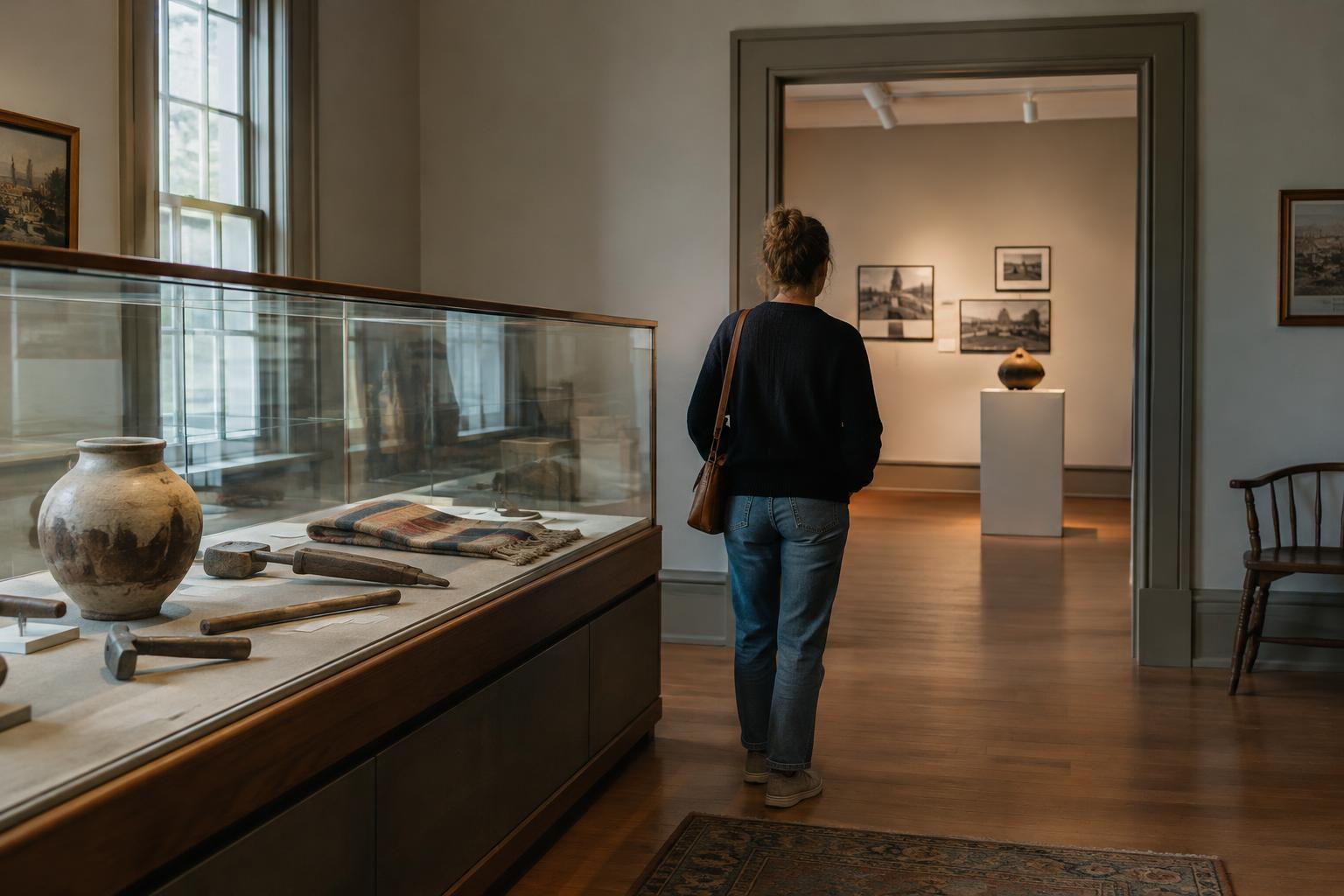
Small museums reward a slower pace. Start with the labels, then look at what appears around the main display: a map marked with former businesses, a repaired household object or photographs showing how a familiar street changed. You do not need to see every item to get something from the visit. Choose one or two threads that interest you and follow them through the rooms.
Interpretation may be uneven, especially where collections have grown through gifts from local people. A label might identify an object without explaining who used it or why it mattered. Treat that gap as an invitation to ask, not as proof that the answer is simple. It is fine to say, “Do you know more about this?” Equally, accept that some histories are incomplete. The museum may not have enough information to answer every question.
Talk with volunteers, without expecting a private tour
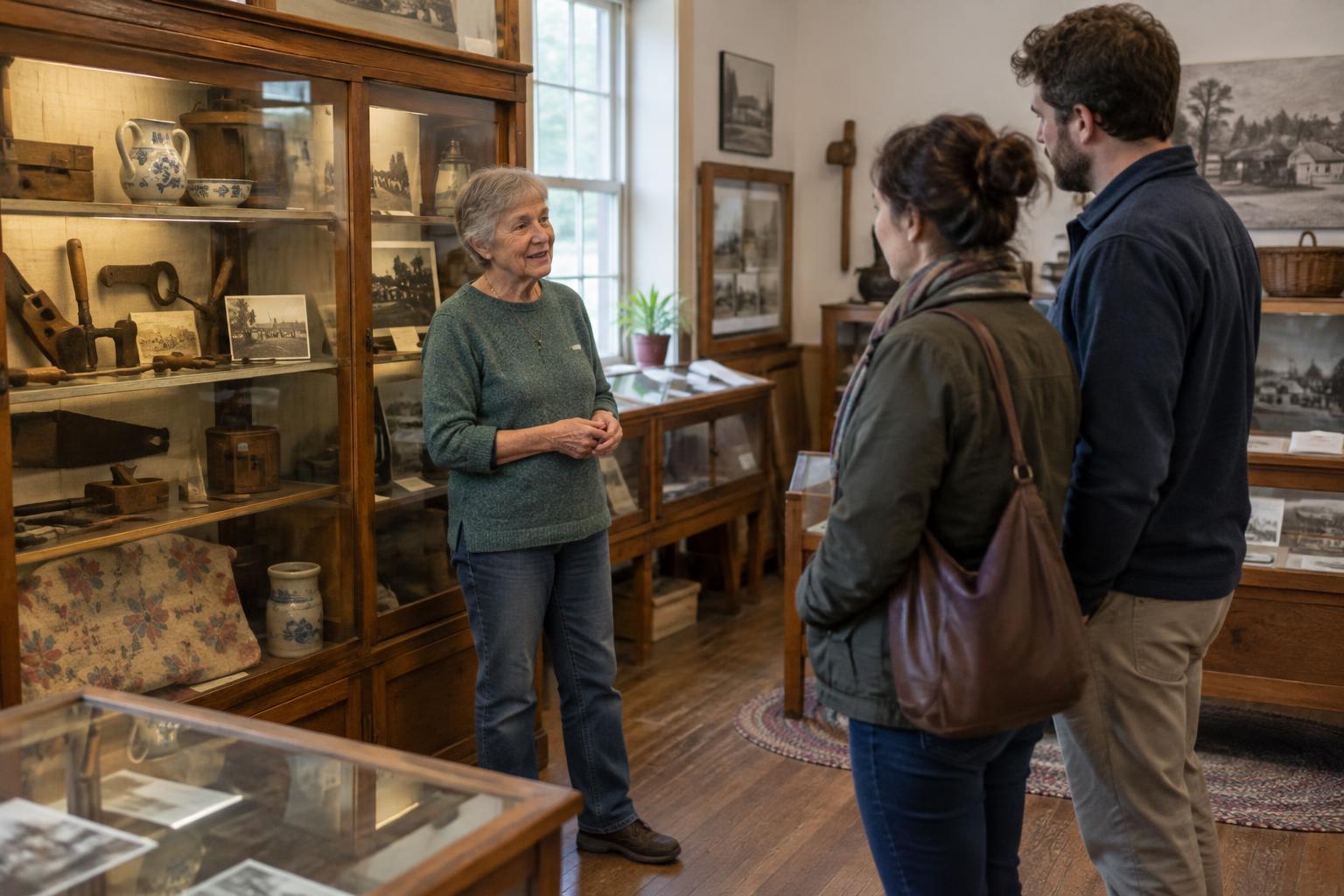
Volunteers may welcome questions about the displays, the building or the surrounding area. An open-ended question such as “What should I make sure to notice?” can lead to an object you would have missed. Be attentive to the room, though. The person you are speaking with may also be handling admissions, watching the collection or helping another visitor. A short conversation is a pleasure; an uninterrupted one may not always be possible.
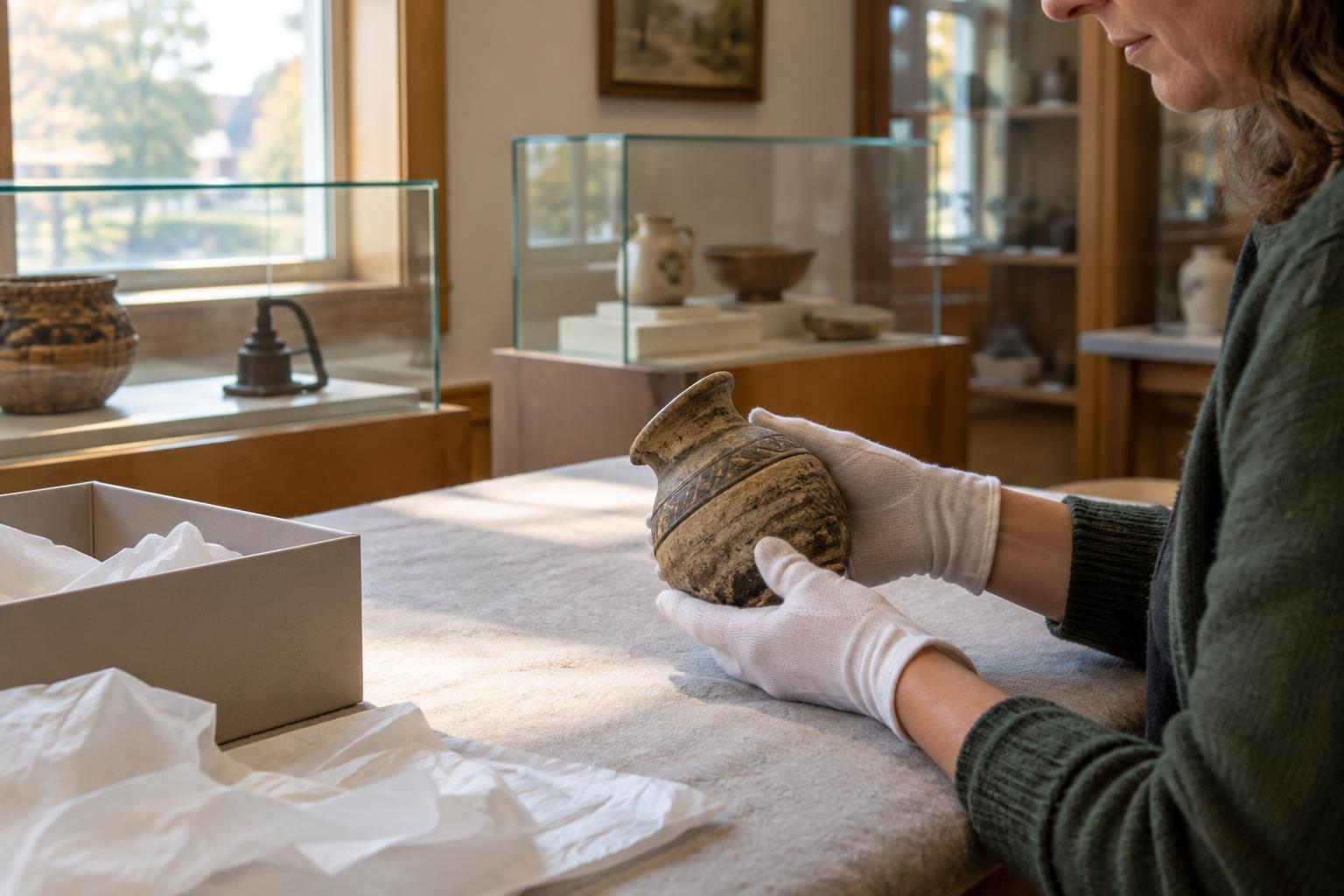
Approach personal and community stories with care. A photograph, workplace record or domestic item can represent real people and difficult experiences, not just an intriguing travel detail. Ask before photographing exhibits or sharing images online, and follow any rules about handling objects. If a volunteer offers a perspective, you can appreciate it without treating one account as the entire history of a place.
Leave room for the visit to continue
A visit does not have to end at the museum door. If a display mentions a street, workshop or public building nearby, you can look for it afterward and compare the exhibit with what remains visible. Stay mindful that former homes and workplaces may now be private spaces. Observing from public areas is enough; curiosity does not give visitors access to someone else’s property or time.
If the museum has made your day richer, consider how you might support it within your means. Paying the stated admission, making a donation where invited, buying a small publication or telling an interested friend about your visit can all help. You can also offer useful, courteous feedback when asked. The most valuable souvenir may be a sharper sense of place: an understanding that local history is kept alive through patient, often quiet work.