Begin with what is actually there
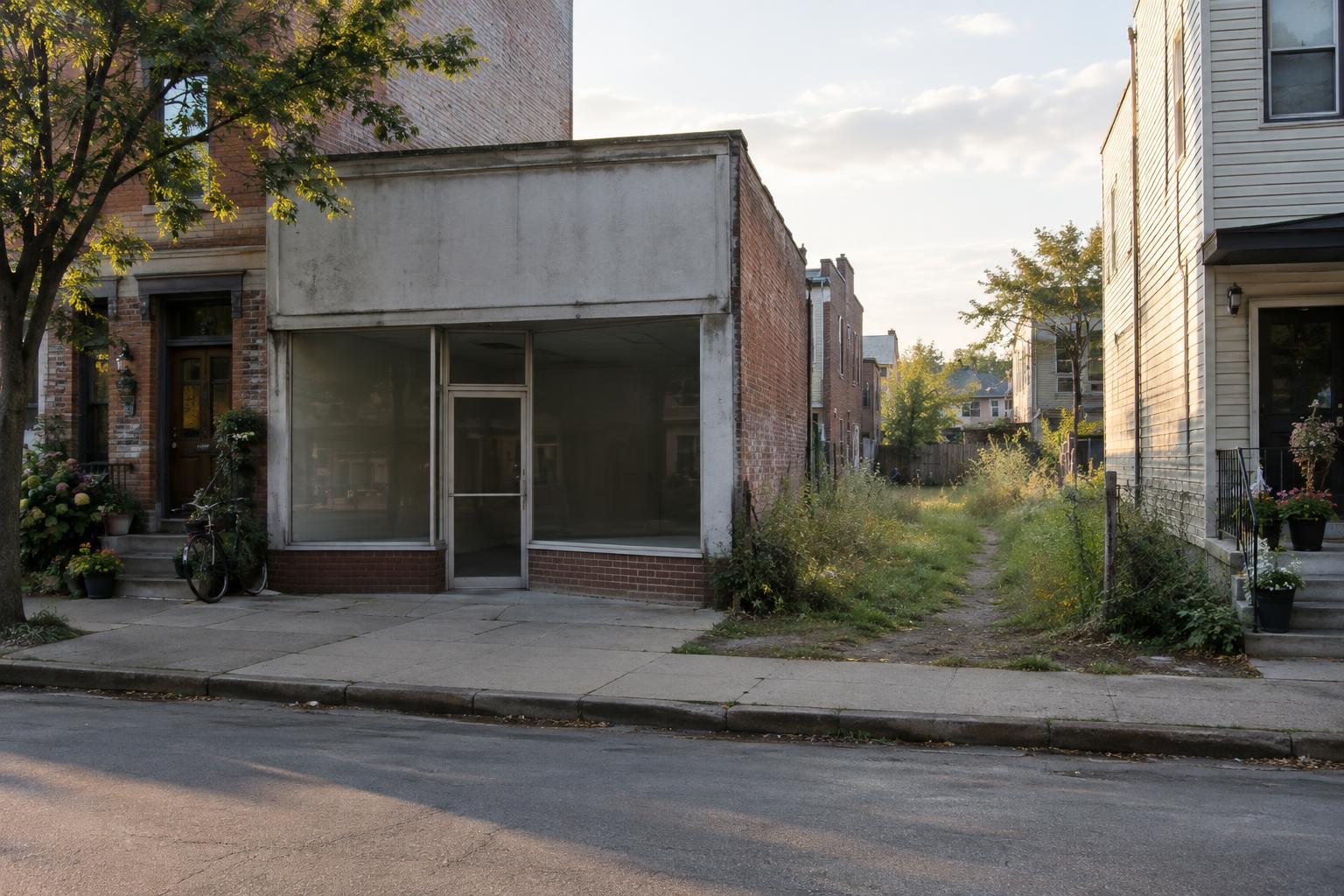
In an unfamiliar neighborhood, an empty shopfront can seem to demand an explanation. Its sign may still be in place, while the windows are papered over. A vacant lot may interrupt an otherwise continuous row of buildings. Both are worth noticing: they affect how a street looks and how people move through it. Neither, on its own, tells you why a space is empty or what will happen next.
Start with details you can describe without interpreting them. Is the lot fenced, planted or used as a path? Does the shopfront have a leasing notice, fresh paint or an old display left behind? What sits beside it: homes, workshops, cafés, a bus stop? These observations provide a more useful starting point than a quick judgment that an area is “declining” or “on the rise.”
Look for patterns, not a single explanation
A storefront may be empty because a business moved, an owner is renovating, a lease ended or the building needs work. A lot may be awaiting construction, held for another use or maintained as open space. Without more context, a passerby cannot reliably choose among these possibilities. Even several empty units on one block may reflect different circumstances.
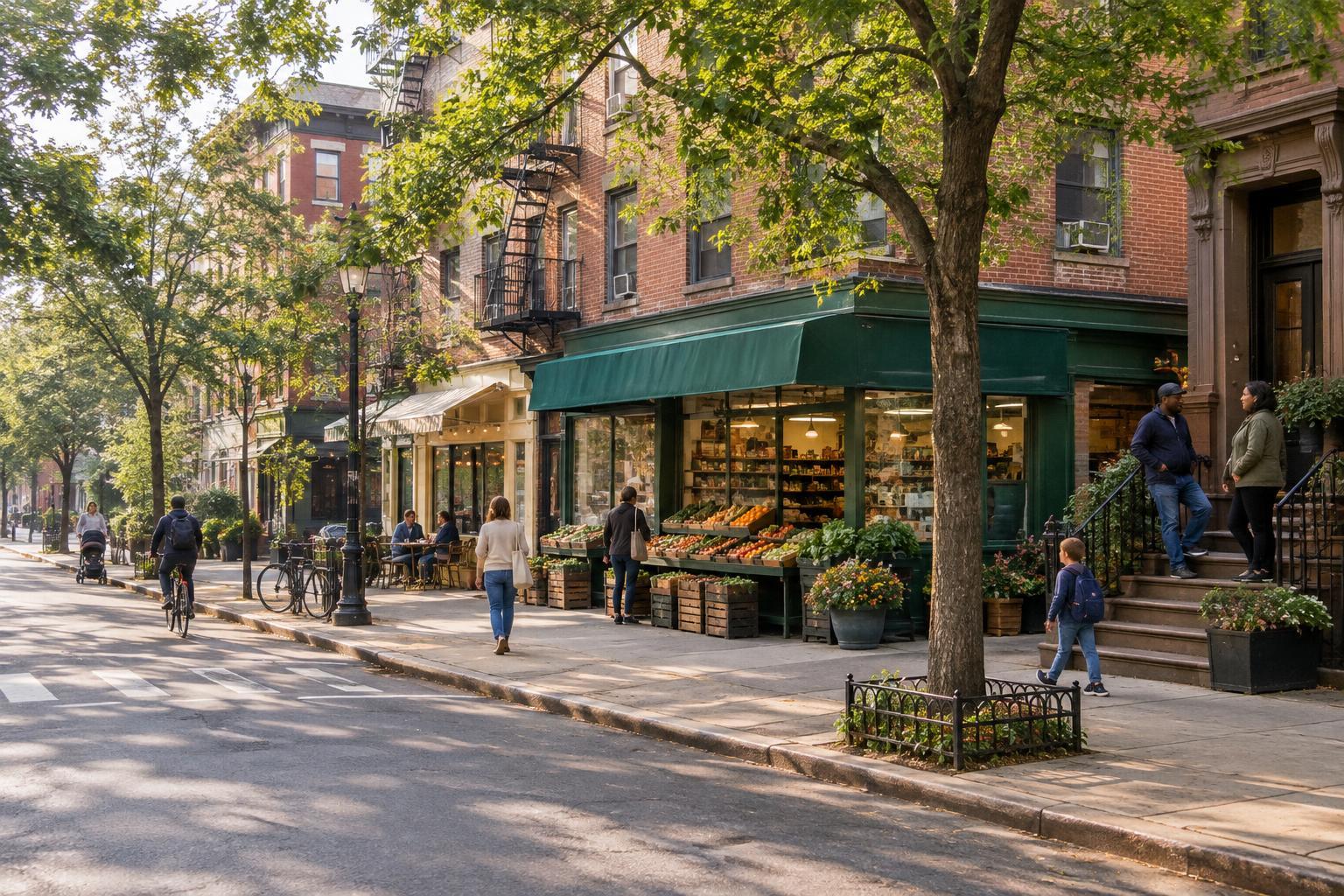
What you can observe is how empty spaces fit into the surrounding street. Are there active businesses a few doors away? Do people use the pavement for conversation, deliveries or getting home? A quiet frontage can make a short stretch feel less lively without making the entire neighborhood quiet. Walk more than one block before forming an impression, and, if your visit allows, return at a different time of day. A shuttered shop in the morning may open later; a street that feels still on a weekday may have a different rhythm on a weekend.
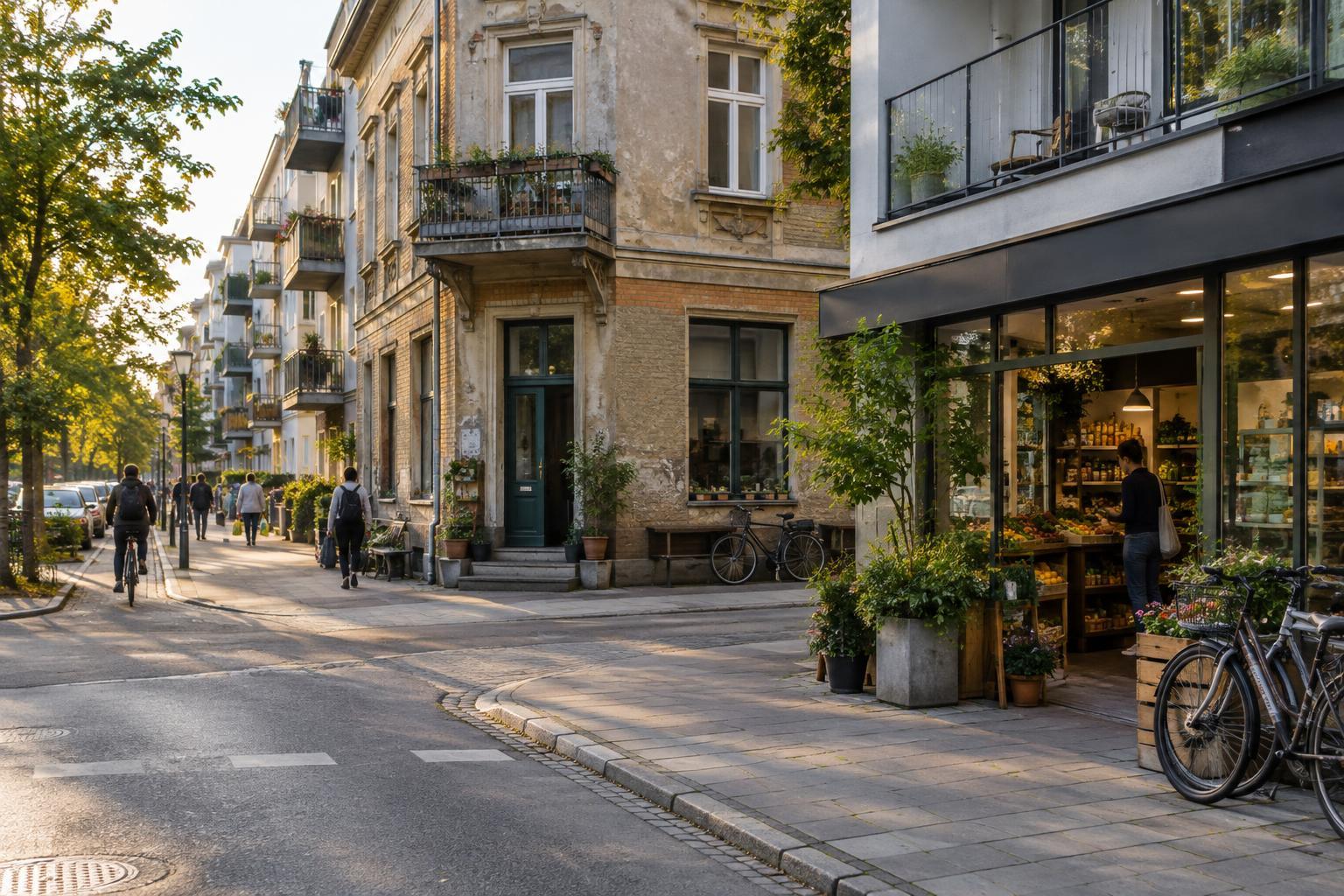
Pay attention to what remains active as well as what is vacant. Homes above shops, side-street businesses and shared spaces can be easy to miss when an empty window draws your eye. A neighborhood is not defined solely by its retail frontage.
Notice the edges and everyday uses
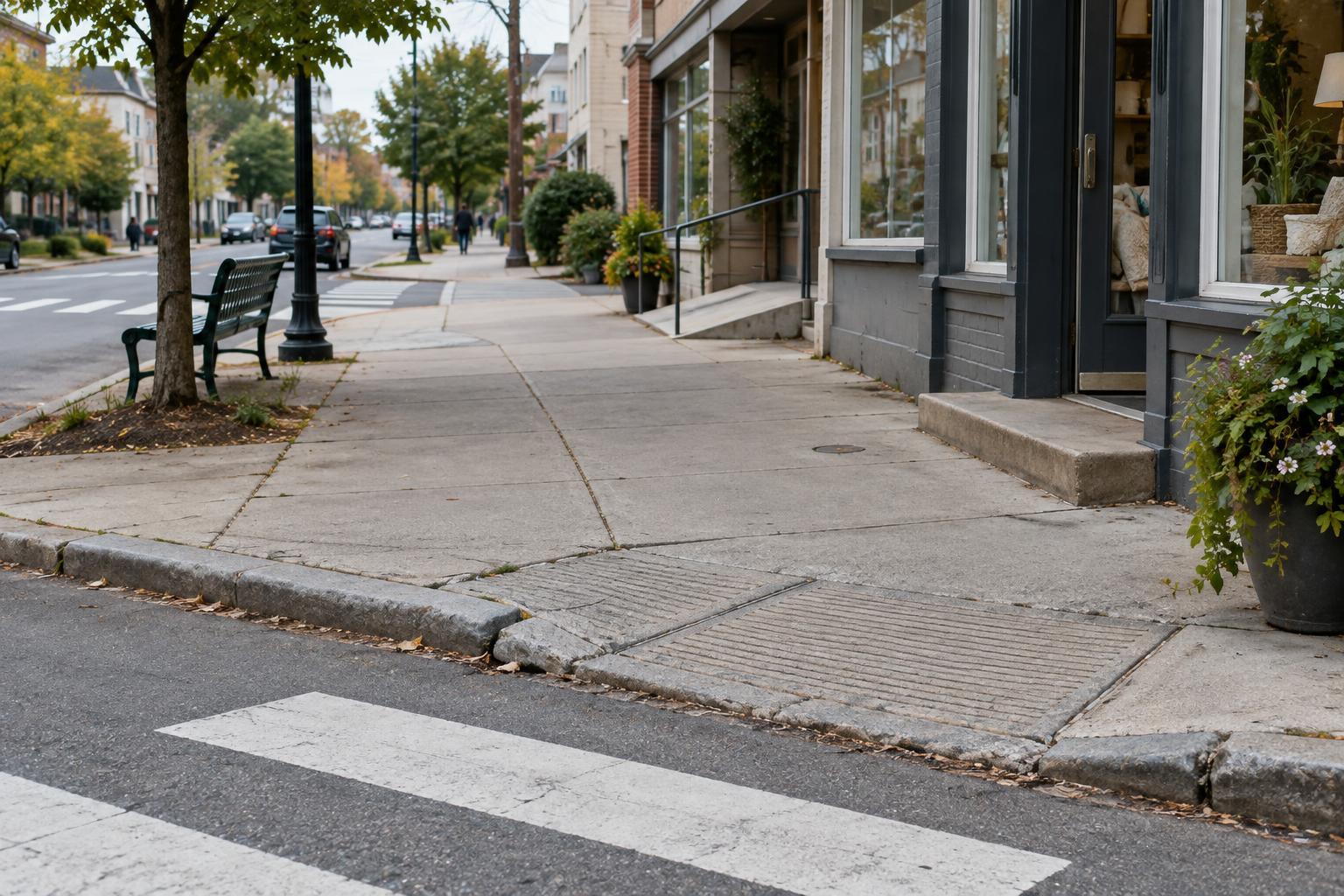
Empty spaces often make ordinary design choices more visible. At a lot’s edge, you might see an older wall that once faced an adjoining building, a change in paving or a fence that alters the walking route. Beside a closed shop, the width of the pavement and the placement of doorways can reveal how the street accommodates people passing through. These details can prompt useful questions about the built environment, even when they cannot answer questions about ownership or history.
Also notice whether a space has a current use that is less obvious than a permanent building. A planted lot may be cared for; an apparently blank wall may hold a noticeboard; a closed storefront may still provide shelter at its recessed entrance. Observe from public space rather than entering a lot or peering into private rooms. The goal is to understand how a place functions, not to treat it as an abandoned set for photographs.
Seek context without demanding a story
If you want to learn more, begin with information offered publicly: a notice in a window, a neighborhood walking guide, a local museum display or a business association’s materials. These may help you place a building or block in a longer history. They may also be incomplete or out of date, so keep a distinction between what a source says and what you have seen yourself.
A conversation can add perspective when it arises naturally. If a shopkeeper is free to chat, a broad question about the street is usually more considerate than asking why a particular property is empty. No resident or worker owes a visitor an explanation of local change. If someone does share a view, treat it as one person’s experience rather than a definitive account of the neighborhood.
Leave room for the unknown
Photographs and travel notes can turn a temporary condition into a lasting impression. Before captioning an image of an empty shop as evidence that a district has been forgotten, ask what the frame excludes. Is there an occupied home upstairs, a busy business next door or a gathering place around the corner? A precise description—“three closed frontages on this block during my visit”—says more, and assumes less, than a sweeping verdict.
Vacant lots and shopfronts can tell you about a street’s physical gaps, its visible signs of care and the ways people move around them. They cannot, by themselves, tell you what residents value, what caused a closure or what the future holds. For a curious visitor, that limit is not a reason to stop looking. It is a reason to look longer, ask more careful questions and let the rest of the neighborhood come into view.