Pause before raising the camera
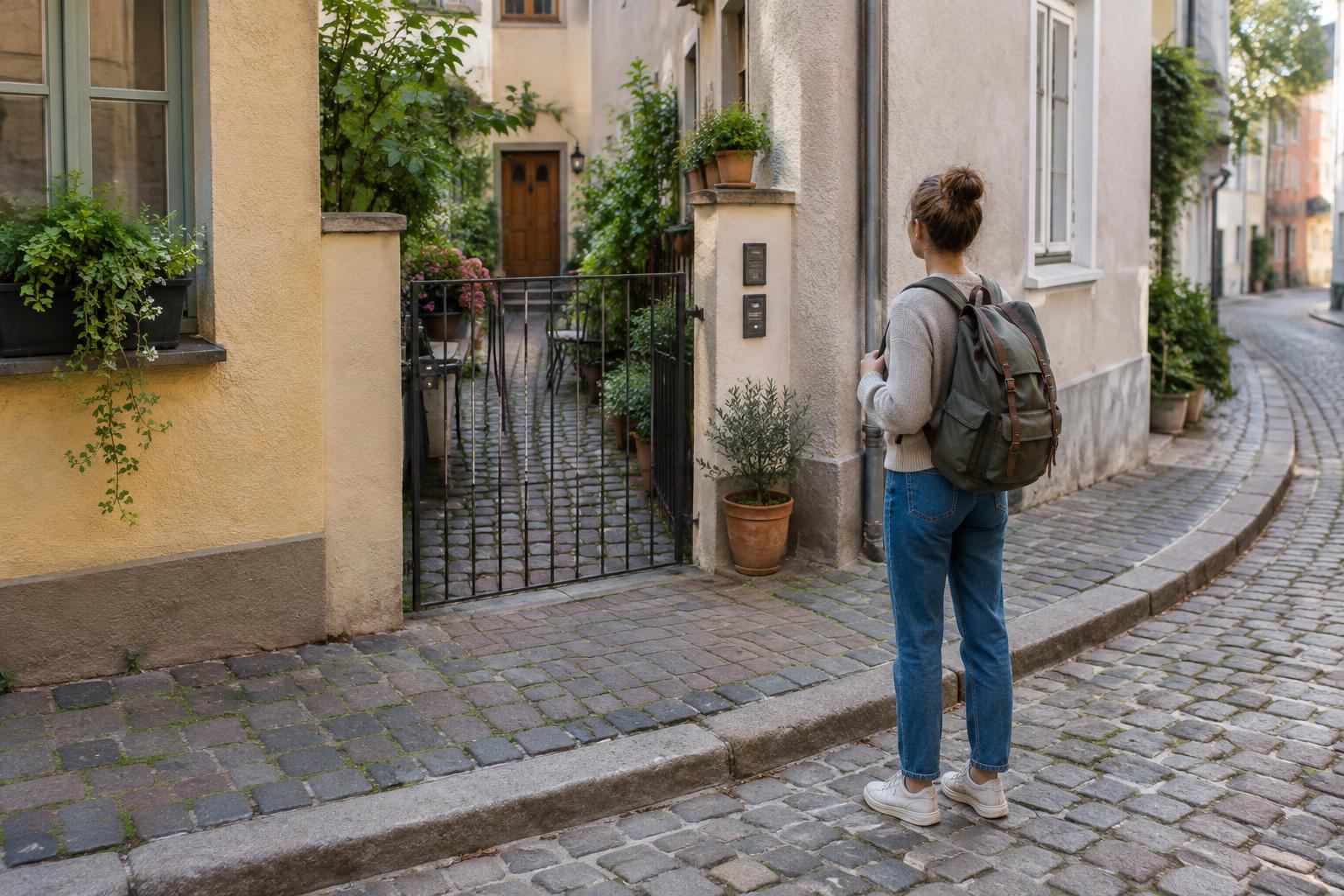
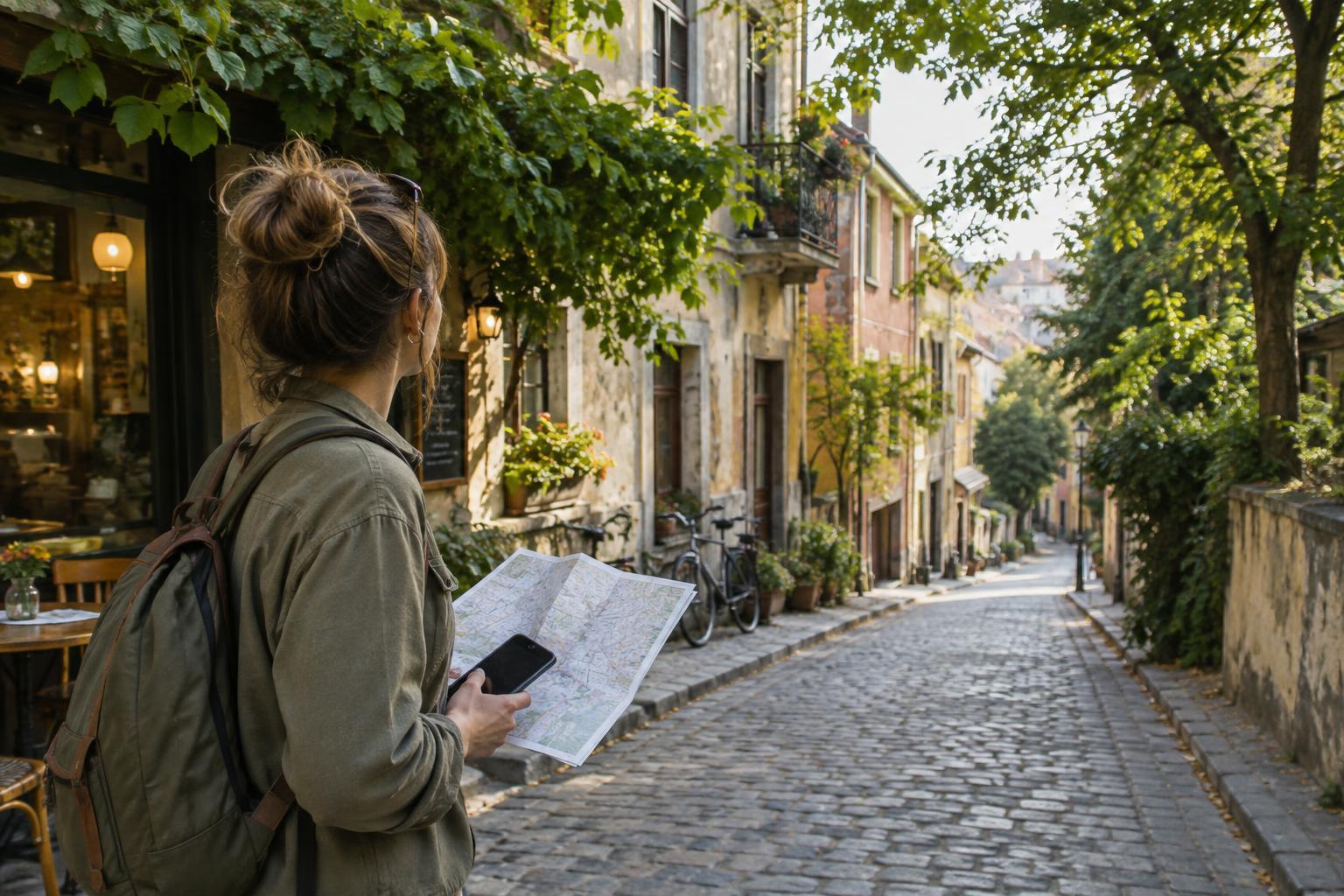
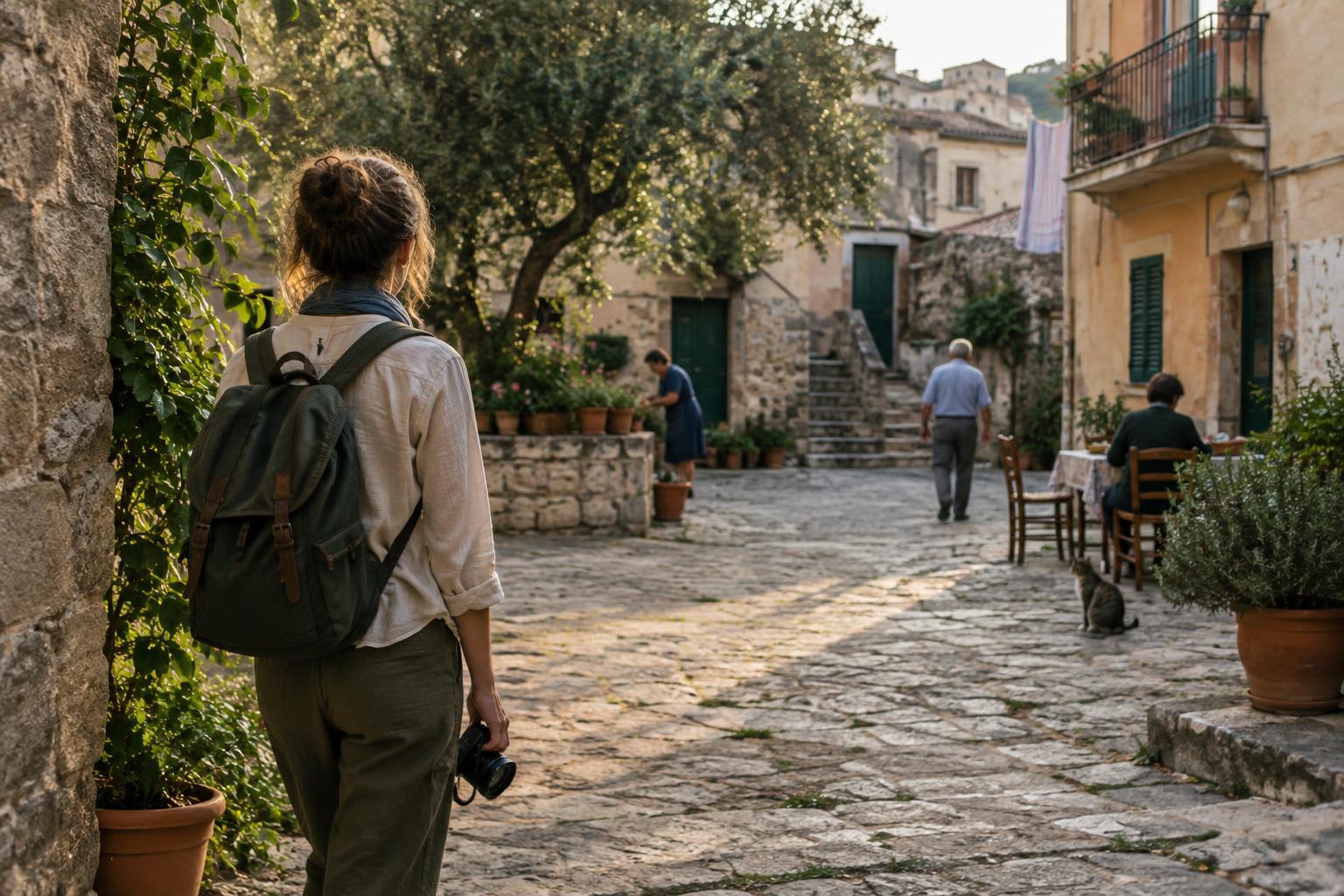
A painted doorway, a busy workshop or a quiet corner of a neighborhood may catch your eye. The first question is not whether it would make a good photograph, but what is happening there. Is someone working, grieving, praying, resting or having an ordinary conversation? Would your presence change the moment? Taking a few seconds to look around can tell you more than taking a picture immediately.
Being allowed to stand somewhere does not mean every image is considerate. A person may be visible from a public path and still feel exposed by a camera pointed at them. Distance matters, too: a wide view of a street can become a portrait if one person is the clear subject. When you cannot tell whether your photograph would intrude, lowering the camera is a reasonable choice.
Ask when a person is the subject
If you want a recognizable photograph of someone, ask before taking it. A simple question and an indication of your camera usually work better than a long explanation. Give the person room to say no without having to justify it. If there is a language barrier or the answer seems uncertain, treat that uncertainty as a no. A smile after a shutter click is not the same as permission beforehand.
Pay attention to the setting, not just the individual. A stallholder may be happy to discuss their goods but too busy to pose; a craftsperson may welcome questions yet prefer not to show a work process. In a small shop, café or home, ask the person responsible before photographing the space. Be especially cautious around children: avoid identifiable images unless a parent or guardian has clearly agreed and the situation feels appropriate.
If someone objects after you take a photograph, stop rather than debating your right to make it. Where possible, offer to delete the image and follow through. A photograph is rarely worth leaving someone distressed.
Treat shared spaces as someone else’s everyday place
Markets, courtyards, places of worship and neighborhood streets are easy to experience as scenery when you are passing through. For residents and workers, they are part of a routine. Keep entrances, paths and counters clear. Do not interrupt a service, ceremony or transaction to compose a shot, and avoid turning a doorway or front step into an improvised photo set.
Follow posted photography rules in museums, historic interiors and religious spaces. Even where photographs are permitted, flash, tripods or repeated posing may be disruptive. If the guidance is unclear, ask a member of staff or put the camera away. A restriction does not make a place less worth visiting; it can be an invitation to give it your full attention.
Consider what the frame leaves out. A close photograph of a worn building or crowded street may make an ordinary place look like evidence of neglect. You do not need to make every image flattering, but it helps to ask whether your caption and framing give viewers enough context to avoid a misleading impression.
Remember that sharing is a second decision
Permission to take a picture does not always mean permission to post it publicly. Before sharing an identifiable person, consider where the image might travel and whether the person understood that possibility. This is particularly important in a small community, where a face, workplace or doorway may make someone easy to identify.
Review the background as carefully as the subject. A name on a letter, a child beside a shop counter or the location of a private gathering might be visible only after you look at the image later. Cropping, withholding a location or choosing a different photograph can preserve the memory without exposing details that were never yours to share.
Keep the memory without the image
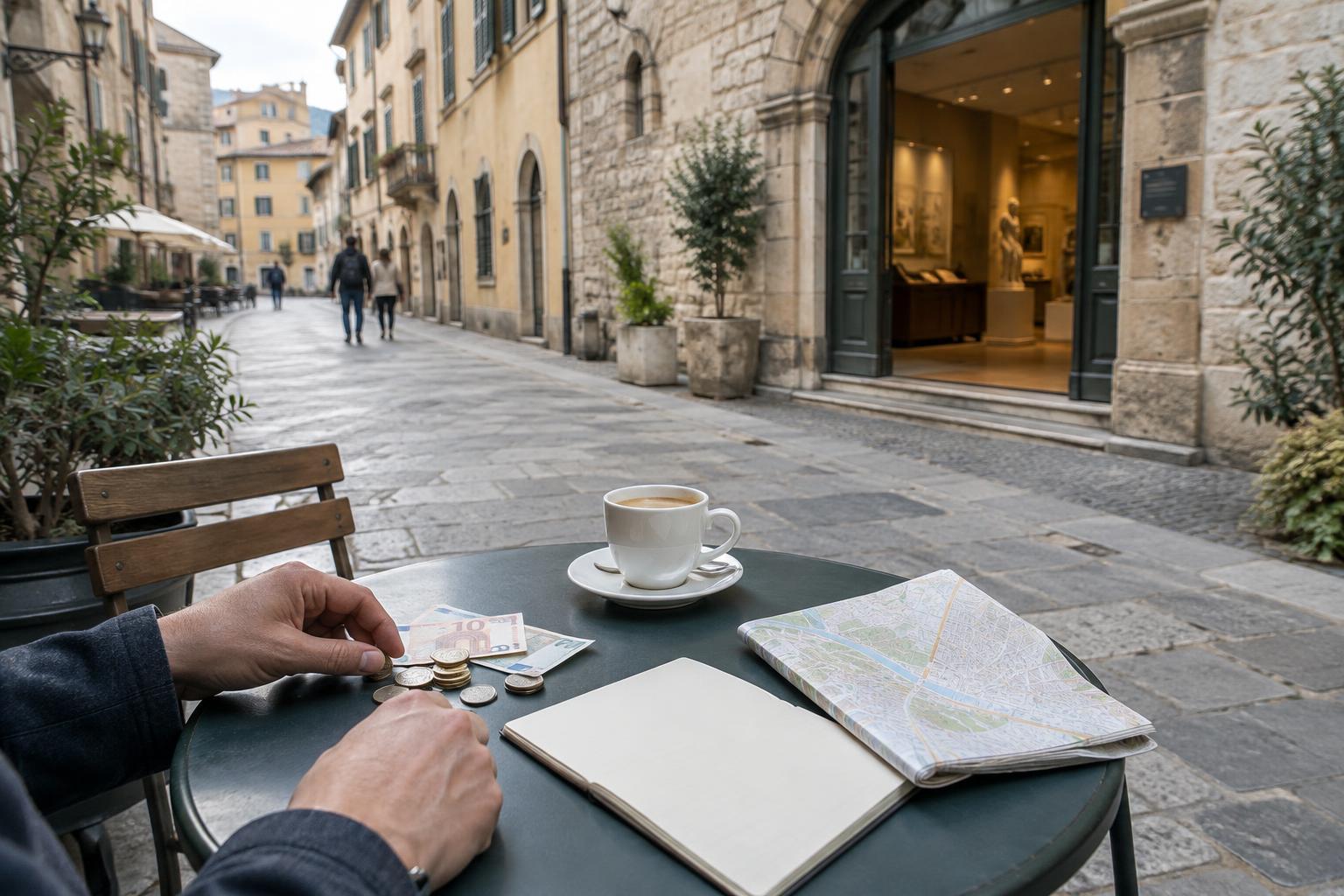
Putting the camera away need not mean forgetting what you saw. Write down the colors of a tiled floor, the sound of a street at closing time or a question to look into later. Sketch a building detail, buy a postcard from a small museum or photograph an object on its own if the setting allows it. These choices can lead to memories that feel more specific than a hurried picture.
Travel photography works best when attention comes before collection. Some moments will welcome a camera; others will be richer, and kinder, if you simply stay present. Knowing the difference is a skill you can practice on every walk.