A place has more than one rhythm
Walk through a neighborhood on a weekday morning and you may notice people moving with purpose: carrying bags, waiting for transport, opening shops or taking children to school. Return on a weekend afternoon and the same streets may invite a slower walk. People have more time to stop, meet friends or sit outside. Neither visit reveals the neighborhood’s “real” character on its own. Each is a glimpse of how people use a shared place at a particular time.
For a curious visitor, this difference is useful. It encourages a shift from asking what a neighborhood is like to asking what is happening there now. Time of day, weather, school schedules and local customs can matter as much as the day of the week. In some places, weekend streets are quieter rather than busier. Look for patterns, but leave room for exceptions.
Weekdays reveal the work behind familiar scenes
A weekday walk often draws attention to practical details that are easy to miss on a leisurely outing. A café may be a quick stop for nearby workers. A square may serve as a route between a bus stop and a market, not simply as a place to linger. Deliveries, cleaning and shop preparation can make an otherwise ordinary street feel active before many visitors arrive.
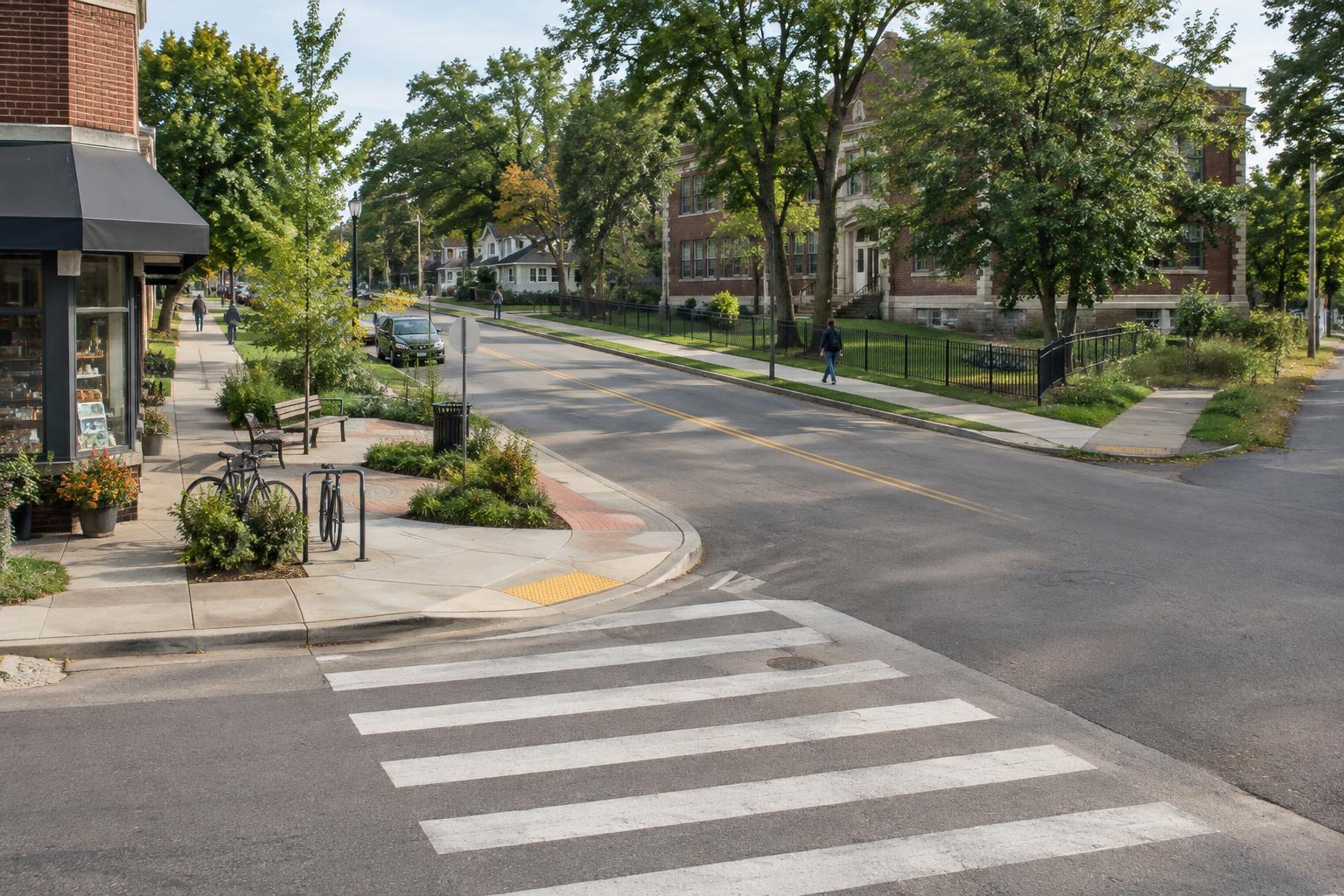
These routines also help explain the built environment. Notice where entrances face, which sidewalks offer shade and how people move around a busy corner. A small bench near a transit stop might tell you more about the street’s everyday use than a striking façade does. Observe without getting in the way, especially near workplaces, schools and building entrances. The goal is to understand how a place functions, not to turn someone else’s routine into a spectacle.
Weekends change who has time to stay
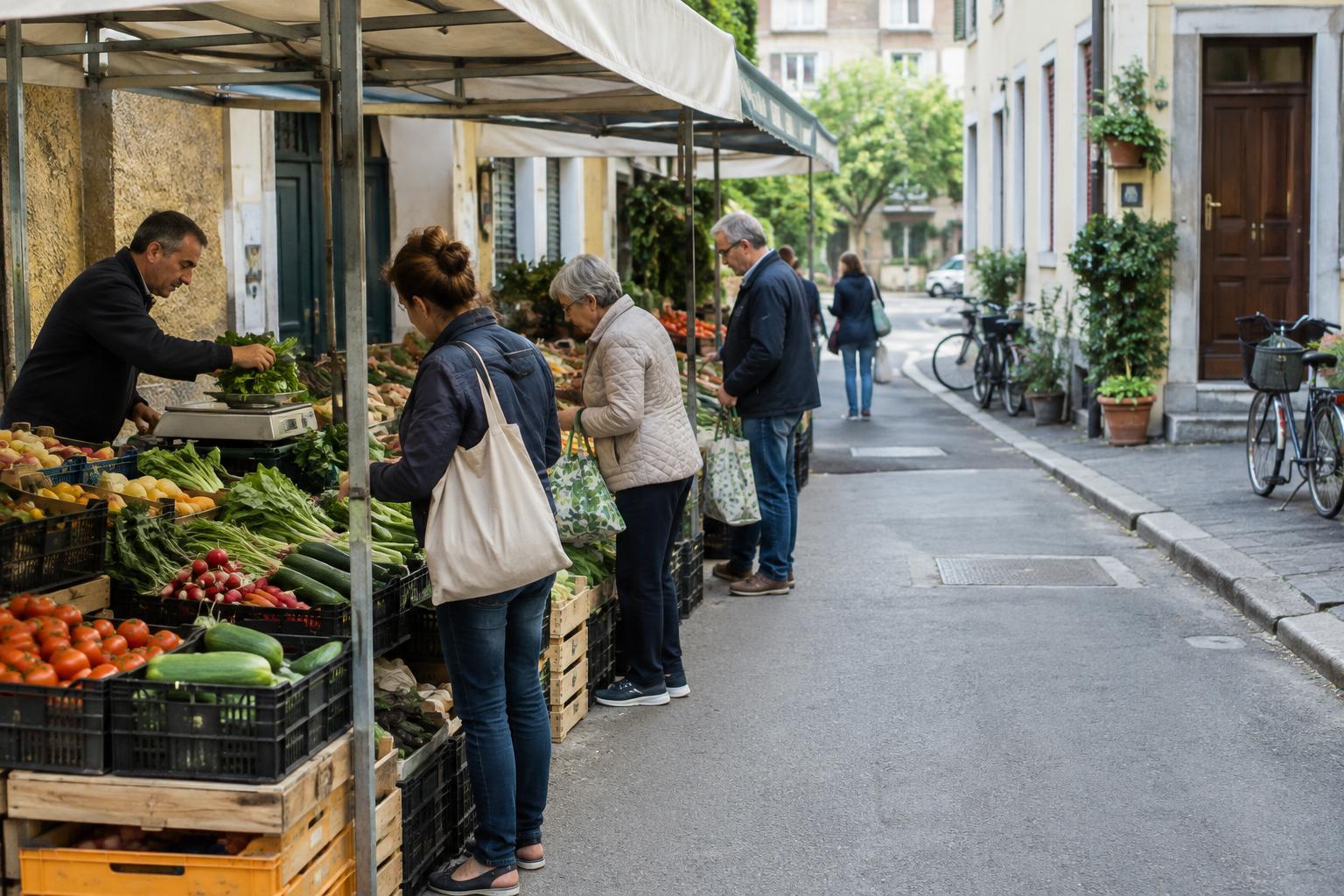
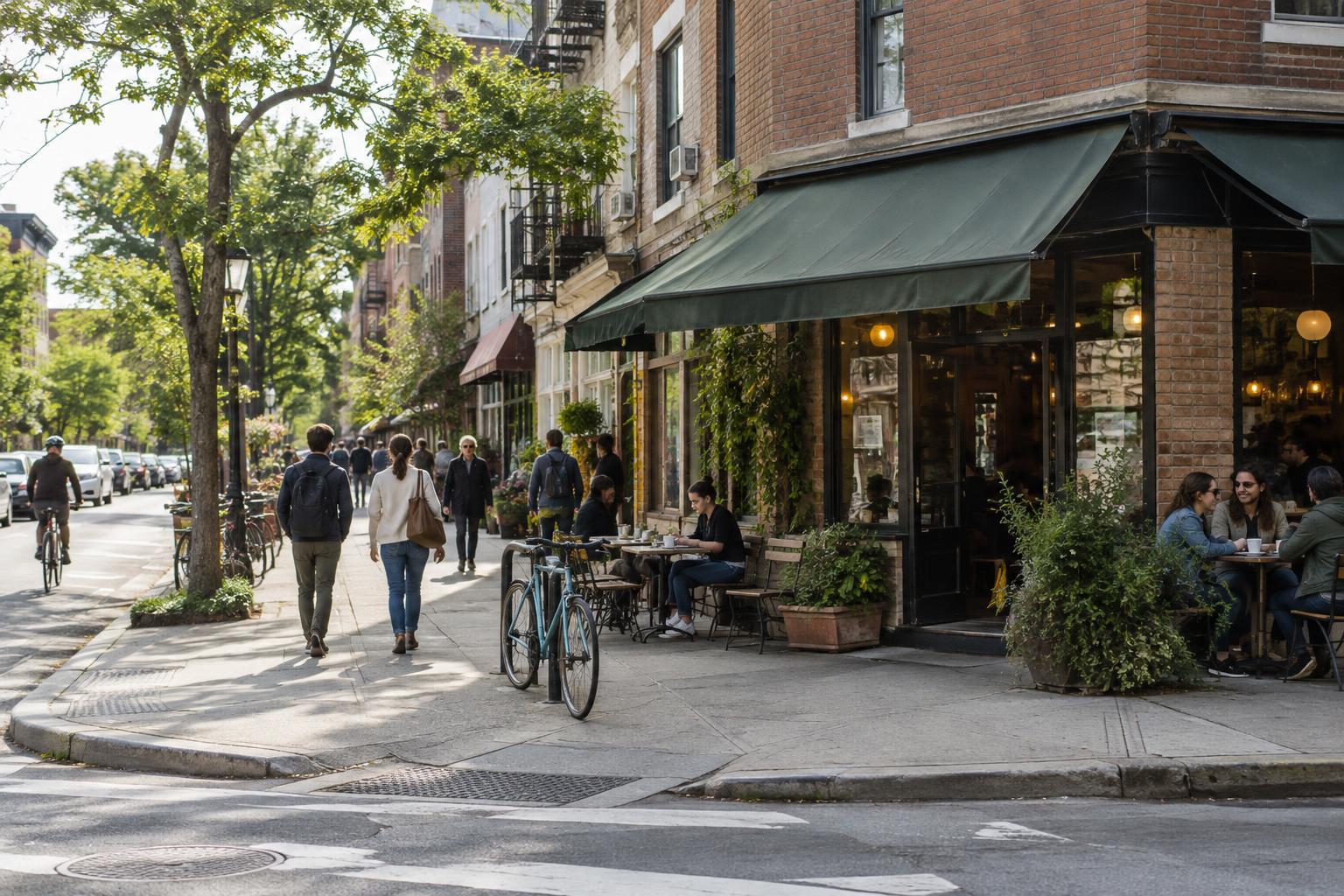
On weekends, spaces used for passing through may become places to pause. Neighbors might gather in a park, families may spend longer at a bakery, and a street with little weekday foot traffic may attract browsers. Businesses can change pace too: some open for people with free time, while others close because the people they serve are away. Check opening hours rather than assuming that a weekend visit will offer more to see.
A lively weekend can make a neighborhood feel especially welcoming, but crowds can hide its quieter purposes. If you find a market or community event, consider how much room you are taking up. Step aside before studying a storefront or consulting a map, and ask before photographing people or activities where permission matters. Paying attention to other users of a space is part of seeing it clearly.
Compare visits without making a checklist
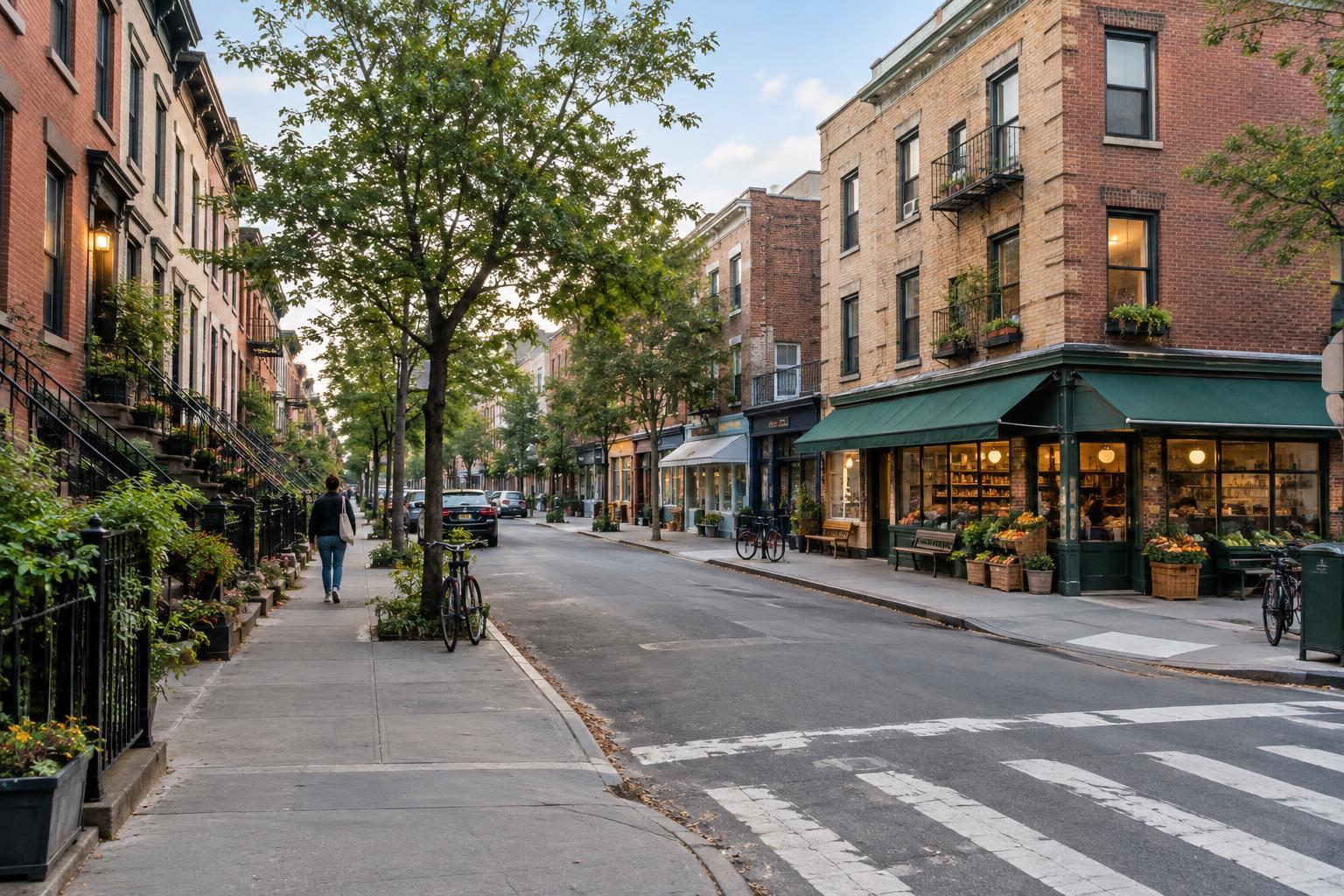
If you can return, try walking one short route twice: once on a weekday and once on a weekend. Choose a few ordinary points along the way, such as a corner shop, a residential block, a transit stop and a public square. Notice what stays the same as well as what changes. The shape of the street, an old sign or a row of trees can provide continuity even when the pace around them shifts.
Keep your observations simple. Where do people stop? Which doors are open? Can you hear traffic, conversation or work taking place? Avoid drawing firm conclusions from a single encounter. A shuttered shop may be closed for many reasons, and one crowded afternoon does not prove that a street is always busy. Asking a local business owner a brief, considerate question may add context, but nobody owes a visitor an explanation.
Let the contrast guide a better visit
The value of visiting at different times is not that one day offers a secret version of a neighborhood. It is that the contrast makes your assumptions easier to spot. A quiet weekday street need not be dull; a busy weekend one need not exist for visitors. Both may support routines, relationships and small pleasures that are only partly visible from the sidewalk.
Give yourself enough time to walk slowly, spend money at a local business if it suits your plans, and respect spaces that are private even when they look interesting. When you leave, describe what you actually saw rather than what you think a whole neighborhood must be. That modest approach can make even a familiar route feel richer—and keeps the people who live and work there at the center of the story.